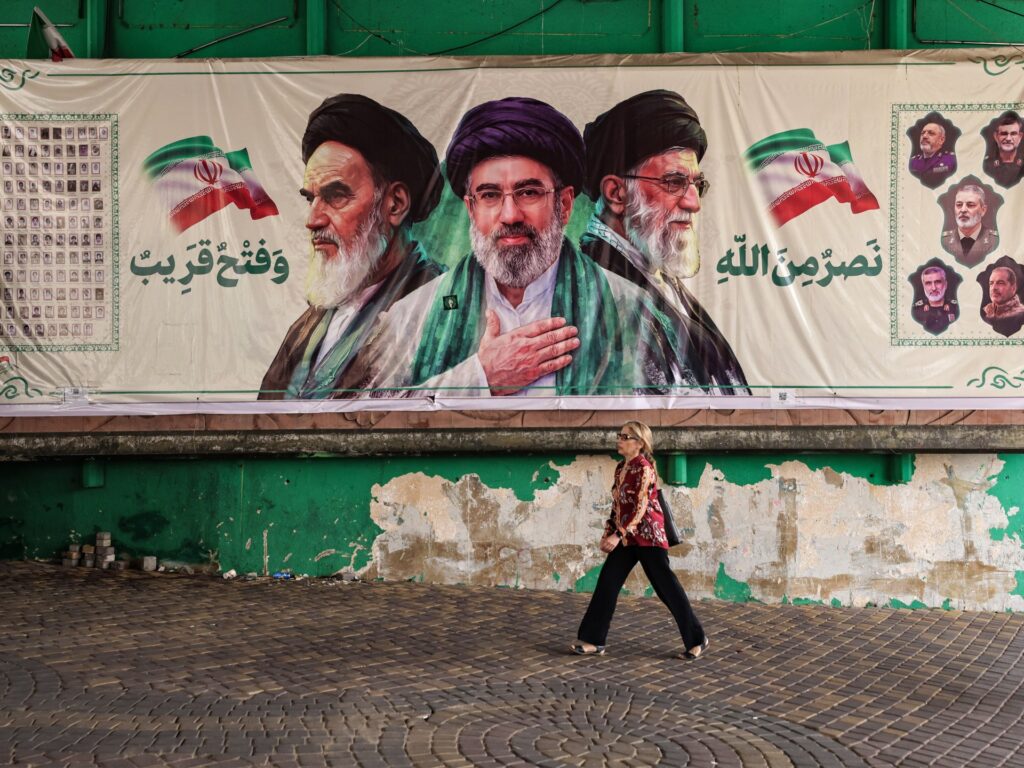
In a significant escalation of rhetoric amid ongoing regional tensions, Iran’s supreme leader has issued a stern warning that any attack on the country will be met with an unfettered and comprehensive response, one that will not be confined to geographical boundaries. This declaration comes at a critical juncture when international mediators are intensifying their efforts to broker peace and ease the mounting hostilities in the region.
The supreme leader’s remarks underscore Tehran’s resolve to defend its sovereignty against any aggression with overwhelming force, signaling a readiness to respond robustly well beyond its immediate borders. This posture serves as a clear message to all potential aggressors that any military action against Iran would trigger consequences that could extend far and wide, potentially destabilizing the broader Middle East.
Meanwhile, global peace mediators are engaged in delicate negotiations and dialogue with various stakeholders, aiming to de-escalate tensions and foster a sustainable resolution. These efforts are complicated by the complex interplay of regional rivalries, geopolitical interests, and Iran’s firm stance on protecting its national security.
Analysts note that Iran’s warning could be interpreted as a deterrent strategy designed to dissuade adversaries from contemplating direct military confrontations. The supreme leader’s emphasis on a geographically unrestricted response hints at the capacity and willingness to utilize proxy forces, regional allies, or strategic assets located beyond Iran’s borders.
The international community has expressed concern over the heightened rhetoric, urging all parties to exercise restraint and commit to diplomatic channels. The urgency of mediators’ peace attempts is underscored by the risks of escalation, which could lead to broader conflict with severe humanitarian and economic repercussions.
This development highlights the precarious nature of peace efforts in the Middle East, where longstanding tensions and diverging interests make conflict resolution challenging. As mediators push forward, the world’s eyes remain on Tehran and the region, hoping for a breakthrough that can avert further violence and pave the way for stability.
Iran’s declaration serves as a potent reminder of the enduring volatility in the area and the complexities confronting those striving for peace. The coming weeks will be pivotal, determining whether diplomatic initiatives can succeed against a backdrop of hardening positions and the looming threat of retaliatory actions that transcend traditional geographical limits.