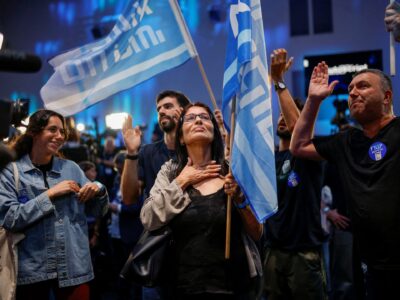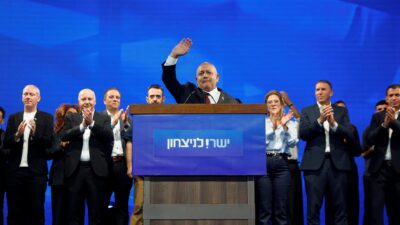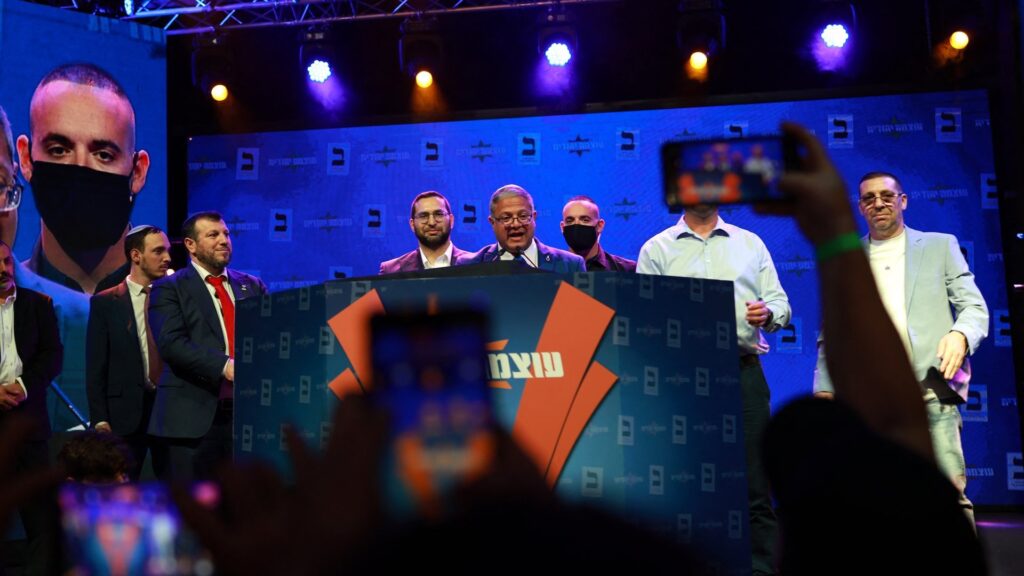
In a recent turn of events following the Israeli elections, Itamar Ben-Gvir, leader of the Otzma Yehudit party, faced a challenging moment as early polls indicated his party suffered significant losses, losing a notable number of seats. Despite this setback, Ben-Gvir addressed his supporters with a tone of defiance and determination, signaling his intent to continue his political efforts and not be dissuaded by the outcome.
Itamar Ben-Gvir, a prominent and controversial figure in Israeli politics known for his right-wing nationalist stance, had high hopes leading up to the elections. The Otzma Yehudit party had been gaining traction, appealing to a specific segment of the electorate with strong nationalist and security-focused messaging. However, the election results reported by various polling organizations revealed a decline in his party’s expected representation in the Knesset.
The electoral setback for Ben-Gvir is seen by many political analysts as a moment of reckoning for Otzma Yehudit, which had been riding a wave of growing support in previous weeks and months. The party’s loss of seats may impact the overall coalition-building process and influence the direction of future government policies, particularly on issues related to national security and settlement expansion.
In his speech to supporters, Ben-Gvir acknowledged the disappointing results but emphasized resilience and commitment to his political agenda. He expressed gratitude to his followers for their continued support and vowed to keep advocating for his vision of Israel, which includes a strong stance on law and order and a firm approach to perceived threats.
This election outcome also reflects broader political dynamics in Israel, where shifting alliances and voter sentiments frequently reshape the political landscape. The results suggest that while nationalist rhetoric holds sway with a significant portion of the electorate, there are limits to its appeal, especially in a fragmented political environment.
Ben-Gvir’s reaction highlights the determination of his faction to remain influential despite electoral setbacks. Political commentators suggest that his party may try to leverage its remaining seats to affect key legislation or join coalitions to punch above their weight in the Knesset.
The situation remains fluid as final results come in and party negotiations continue. The political landscape in Israel is complex, with numerous parties vying for influence and a coalition government still to be formed. Ben-Gvir’s Otzma Yehudit party’s reduced representation marks a significant moment as the country navigates its current political challenges.
Observers will be watching closely to see how Ben-Gvir and his party respond to this electoral disappointment and what strategies they will employ to regain ground in the future political contests. The election has demonstrated the unpredictability and vibrancy of Israeli democracy, where even staunchly supported parties can face abrupt changes in fortunes.
In conclusion, while Itamar Ben-Gvir faced a difficult day as election polls showed losses for his party, his message to supporters was one of unwavering resolve. The coming weeks will be critical in determining how he and Otzma Yehudit adapt and position themselves within Israel’s dynamic political sphere.