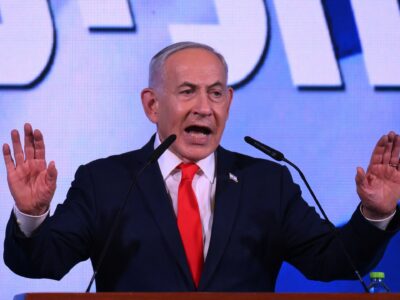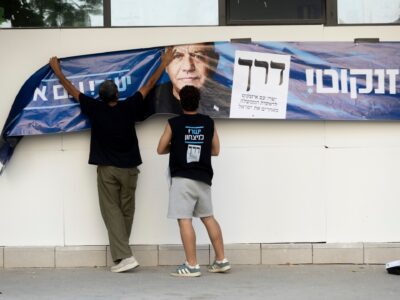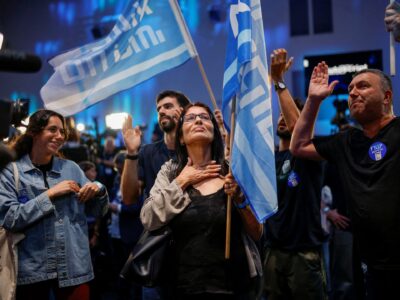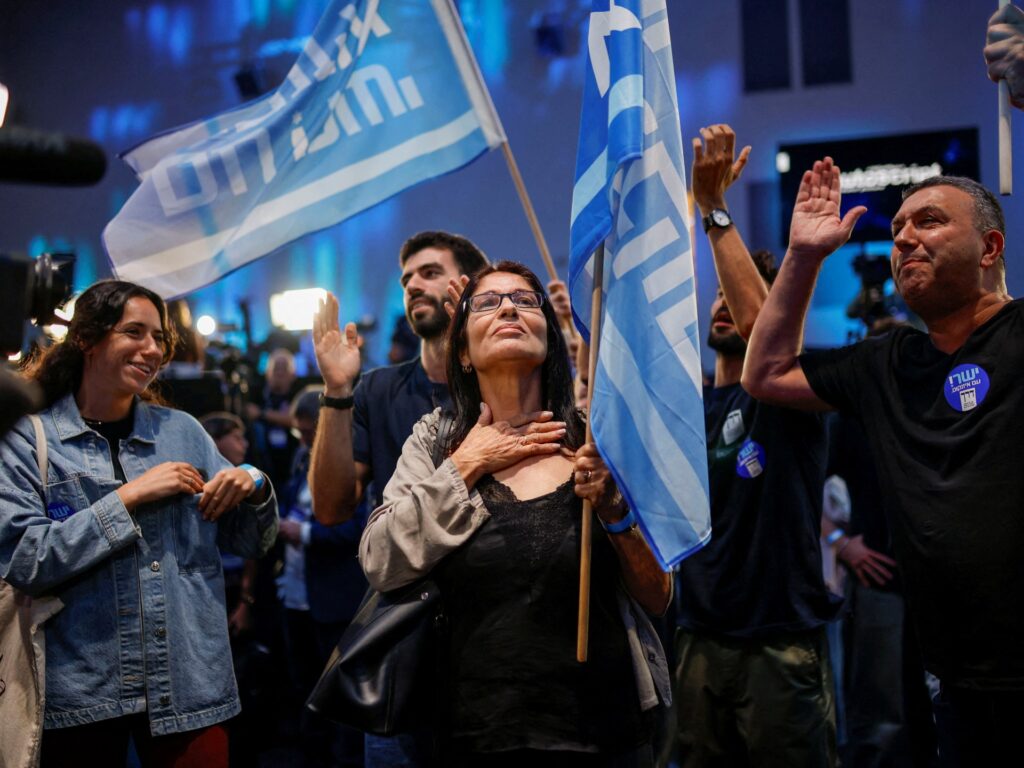
The Israeli political landscape remains tense amid conflicting interpretations of recent election exit polls. The camps supporting Prime Minister Benjamin Netanyahu and former military chief Benny Gantz Eisenkot have clashed over the projected outcomes. While exit polls indicated a narrower margin than initially expected, opposition leaders, including those aligned with Eisenkot, insist that the election results represent a defeat for the incumbent government.
The election was highly anticipated, with various political factions vying for control in a complex and fragmented parliamentary system. Early exit polls suggested that Netanyahu’s Likud party retained significant support, but the margins seemed reduced compared to past elections. This shift prompted opposition figures to argue that the government had lost its mandate.
Eisenkot’s camp emphasized that a reduced majority or any significant drop in Netanyahu’s coalition strength could mean a turning point in Israeli politics. They highlighted the public’s growing desire for change, citing issues such as economic challenges, public dissatisfaction, and concerns about governance as factors influencing voter decisions.
Netanyahu’s supporters countered these claims by stressing the exit poll numbers showing their party’s staying power. They argued that despite the narrower margins, the government maintained enough seats to form a stable coalition. Netanyahu himself stated that the election results validated his leadership and policy direction, asserting that the government would continue to address Israel’s pressing concerns.
Analysts noted that exit polls must be interpreted cautiously since actual vote counts can differ once official tallies are completed. They also pointed out that coalition-building, a critical aspect of Israeli politics, can shift power dynamics post-election. The negotiations between parties in the coming days will be decisive in determining the incoming government.
Observers commented on the polarization reflected in the election night discourse, with both camps using the figures to bolster their narratives. The exchange highlights the intense rivalry and the high stakes involved in Israeli elections, where even small shifts in voter preferences can have profound consequences.
The political tension mirrors broader societal debates on Israel’s future path regarding security, economic policy, and social issues. Both Netanyahu and Eisenkot factions continue to mobilize their bases, preparing for the next critical steps in the formation of government and policymaking.
In summary, while exit polls from the recent Israeli election show closer margins than anticipated, the Netanyahu and Eisenkot camps remain locked in a battle over the political interpretation of these results. The opposition claims victory signaling potential governmental change, while Netanyahu maintains confidence in his leadership and ongoing mandate, setting the stage for intense political negotiations ahead.