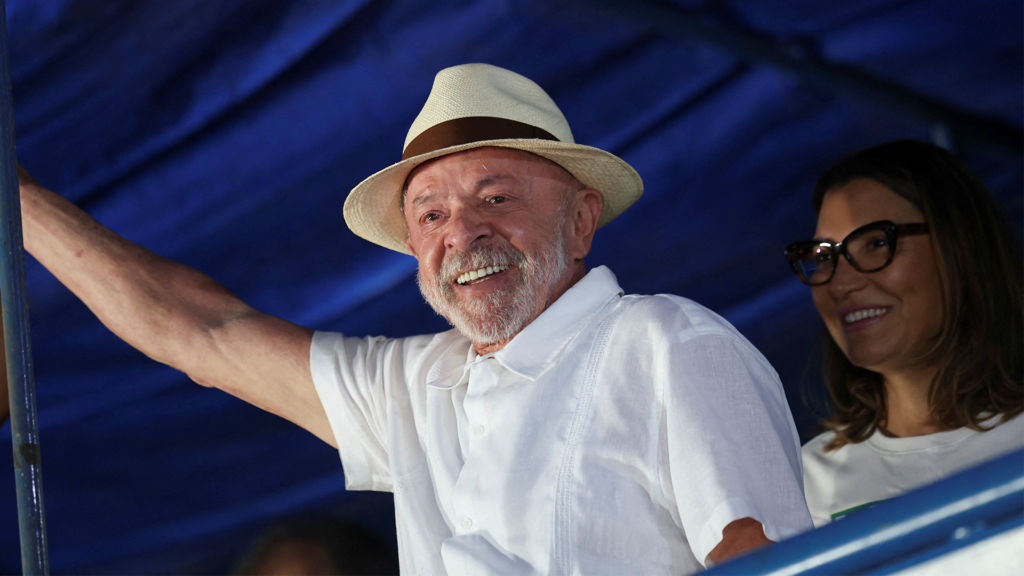
In a recent and highly publicized statement, Brazilian President Luiz Inácio Lula da Silva has condemned the decision of Flavio Bolsonaro, son of former President Jair Bolsonaro, to leave Brazil. This move has stirred significant controversy in the Brazilian political landscape, as reports indicate that Flavio Bolsonaro was headed to the United States. President Lula described the exit as ‘shameful,’ criticizing the timing and the implications of such an action, especially amidst ongoing political tensions within Brazil.
President Lula’s remarks came shortly after news emerged that Flavio Bolsonaro had departed the country. The criticism focuses on what Lula sees as a lack of accountability and responsibility by Bolsonaro’s family during a turbulent period for the nation. By leaving the country, Flavio Bolsonaro is viewed by Lula as abandoning his political duties and the Brazilian people, who are currently facing various economic and social challenges.
This incident adds another layer of complexity to Brazil’s already heated political environment. The Bolsonaro family has been a central figure in Brazilian politics for years, often sparking debate and division across the country. Flavio Bolsonaro, in particular, has been active in politics, serving as a senator and engaging in various policy discussions. His departure may signal a withdrawal from the political front or potentially raise questions about ongoing investigations and political accountability.
Critics of the Bolsonaro faction argue that fleeing the country during critical times undermines trust in public officials and the democratic process. President Lula’s strong language reflects a broader frustration among his supporters and the Brazilian political establishment at large. It highlights concerns over political stability and the responsibilities of elected officials to their constituents.
Furthermore, Lula’s condemnation may influence public opinion and international perceptions of Brazil’s political climate. The exodus of prominent political figures is often seen as a sign of instability or crisis, which could affect the country’s reputation and relations with other nations.
In response to Lula’s comments, supporters of Flavio Bolsonaro have defended the move, suggesting personal or security reasons for the departure. However, these explanations have yet to quell the controversy or diminish the impact of Lula’s public reproach.
The situation remains fluid, with further developments expected as the political discourse evolves. Analysts will be watching closely to see how this latest event influences upcoming elections, political alliances, and public sentiment in Brazil.
In summary, President Lula da Silva’s branding of Flavio Bolsonaro’s departure as ‘shameful’ underscores deep divisions within Brazilian politics. It raises critical questions about political responsibility, accountability, and the ongoing challenges facing Brazil’s democracy at a time when unity and leadership are most needed.