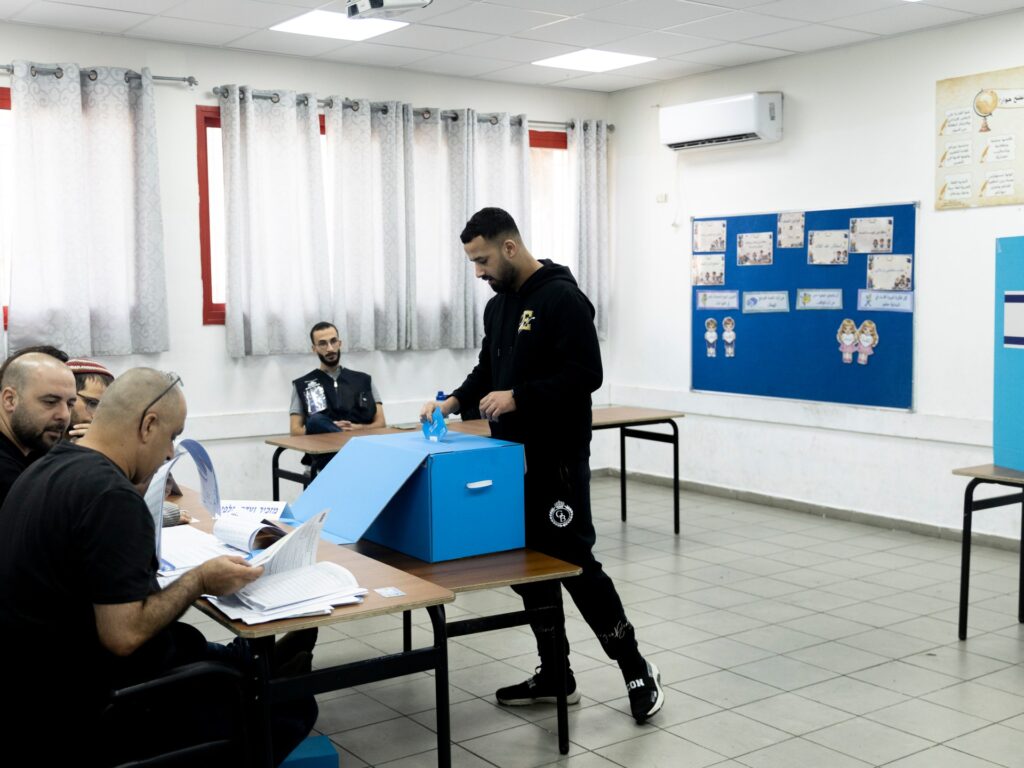
The recent Israeli parliamentary elections have witnessed a significant milestone for Arab political parties, who are projected to win 18 seats, marking a notable representation in the Knesset. This surge is underscored by an unprecedented voter turnout among Palestinian citizens of Israel, estimated at around 80 percent based on early indications, the highest participation rate recorded to date.
This election cycle has seen a robust engagement from the Arab citizens of Israel, reflecting a heightened political awareness and determination to influence legislative processes that directly affect their communities. The impressive turnout symbolizes a collective push for greater political inclusion and a voice in shaping Israel’s future policies.
Analysts suggest that the outcome could shift the parliamentary dynamics, potentially impacting coalition formations and policy directions. The 18 seats will grant Arab parties a stronger footing in debates ranging from civil rights to social justice and economic reforms.
The high voter turnout is particularly significant given the historical challenges faced by Palestinian citizens in Israel, including political marginalization and societal issues. This election is being viewed as a transformative moment that could lead to more substantial advocacy and representation in the national legislature.
Political leaders from the Arab parties have expressed optimism, emphasizing the importance of the vote as a step towards equality and recognition. They have pledged to work collaboratively while maintaining their distinct voices to address the needs and aspirations of their constituents.
The election results have drawn international attention, highlighting the evolving political landscape within Israel and the growing role of diverse communities in its governance. Observers note that this could set a precedent for future elections and alter longstanding political narratives.
As the Knesset prepares for its new composition, all eyes will be on how these 18 Arab representatives will navigate the complexities of Israeli politics and advance the interests of their electorate amid a landscape marked by both challenges and opportunities.
The government’s response to this shift and the broader public’s reception will be critical in shaping inter-community relations and the broader socio-political environment in Israel going forward.
Overall, the parliamentary elections have marked a historic moment for Arab political participation in Israel, reflecting a dynamic and changing democratic process that holds promise for a more inclusive political future.