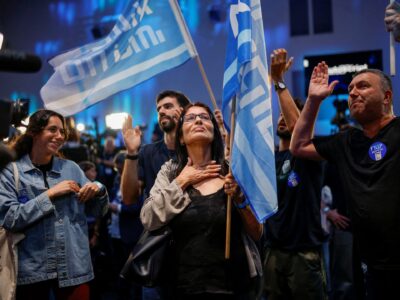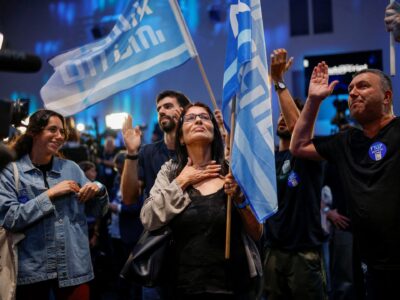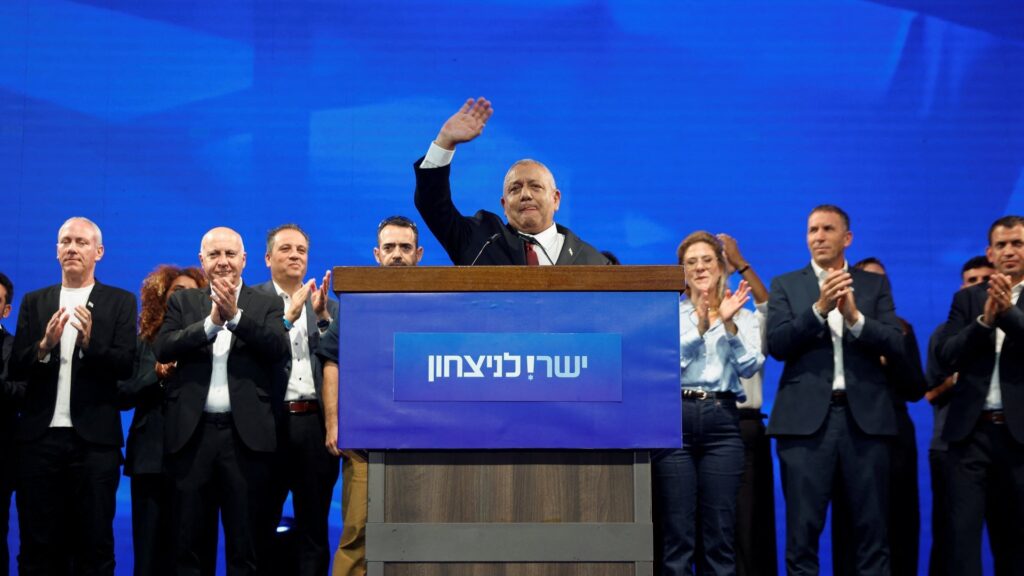
Israeli opposition leader Gadi Eisenkot has stated that the recent election results reflect a clear desire among millions of Israelis for change. Eisenkot emphasized that the electorate is tired of Prime Minister Benjamin Netanyahu’s leadership, which he described as being marked by persistent ‘lies’. According to Eisenkot, the voting outcome signals a significant shift in public sentiment, with citizens demanding transparency, accountability, and a new direction for the country.
Eisenkot’s remarks come in the wake of an election where many voters sought alternatives to Netanyahu, who has been a dominant figure in Israeli politics for over a decade. The opposition leader highlighted that the results demonstrate a widespread rejection of the status quo and a collective urge towards reform and renewal.
Critics of Netanyahu argue that his tenure has been plagued by controversies and allegations that have eroded public trust. Meanwhile, Eisenkot and his allies pledge to bring a new era of leadership, focusing on integrity and genuine representation of the people’s interests.
The political landscape in Israel appears to be at a crossroads, as the country grapples with complex geopolitical challenges and internal divisions. Eisenkot’s message resonates with many who believe that fresh leadership is essential to address these issues effectively.
As political parties prepare for coalition negotiations, the opposition’s call for change underscores the dynamic and evolving nature of Israeli democracy. Observers suggest that the outcome of these developments could have significant implications for Israel’s future domestic policies and its role on the international stage.
Eisenkot’s assertion that millions voted against Netanyahu’s established governance reflects a broader trend of political transformation and public demand for accountability. The coming weeks and months will reveal how these electoral results translate into practical governance and policy shifts, shaping the trajectory of Israel in the years ahead.