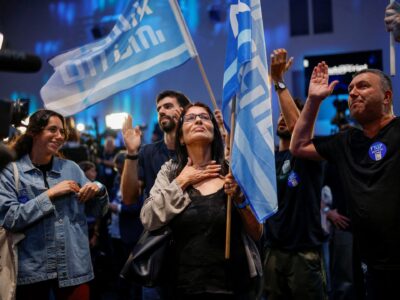
In a surprising display of optimism, Israeli Finance Minister Bezalel Smotrich celebrated with dance despite preliminary exit polls indicating a decline in support for his far-right party. The election results, which have been closely watched both domestically and internationally, suggest a shift in voter preferences away from far-right factions that have had significant influence in recent years.
Smotrich’s party, known for its hardline stance on various political and social issues, was expected to perform strongly. However, the exit polls revealed a drop in the number of seats the party is projected to secure in the upcoming Knesset, Israel’s parliament. This decline marks a notable change in the political landscape, indicating that voters may be seeking more moderate or alternative voices.
Despite the grim outlook indicated by the polls, Smotrich maintained a celebratory mood. Videos of him dancing and expressing confidence circulated widely on social media, showcasing a determined and resilient political figure unwilling to concede defeat prematurely.
Political analysts suggest that Smotrich’s reaction might be a strategic attempt to project confidence and rally his base in the face of challenging results. The far-right bloc, while diminished, could still play a crucial role in coalition negotiations, given Israel’s multi-party system where no single party often achieves an outright majority.
The decline in support for Smotrich’s party may reflect broader public sentiment regarding the country’s direction, including concerns over economic policies, security issues, and societal divisions. Many voters appear to be reevaluating their political priorities, potentially favoring pragmatism over ideological rigidity.
Smotrich’s dance, therefore, can be seen as more than just a spontaneous act of celebration—it symbolizes the enduring nature of political contestation in Israel. It highlights the complex interplay between political messaging, public perception, and the realities of electoral politics.
As the final results unfold, all eyes will be on coalition talks to see how the diminished far-right faction navigates its role in government formation. The election outcome underscores the dynamic and often unpredictable character of Israeli democracy, where power balances shift with each vote.
In sum, Smotrich’s spirited dance amid declining electoral fortunes captures a moment of political resilience and the ongoing evolution of Israel’s political landscape. Whether this will translate into sustained influence or signal the beginning of a retreat for the far-right remains to be seen.