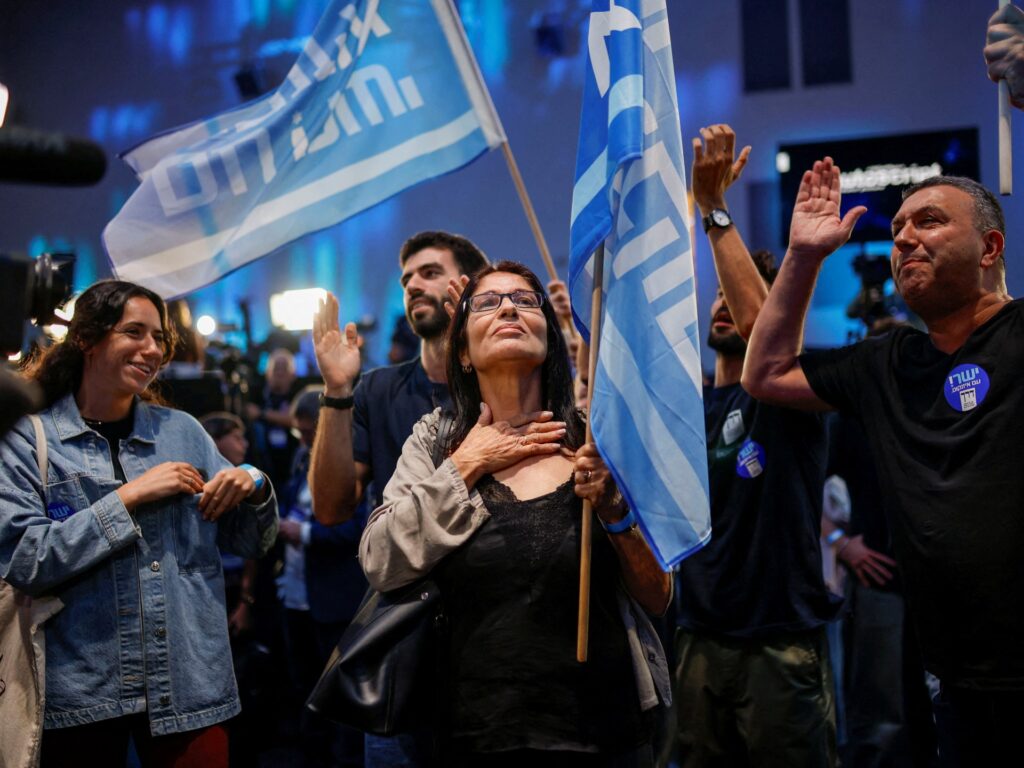
The release of recent exit polls following the latest Israeli elections has ignited a fierce debate across the country’s political divide. Despite the exit poll results showing narrower margins than previously anticipated, opposition leaders have been quick to interpret the figures as a clear defeat for the incumbent government.
The exit polls, which are conducted immediately after voters cast their ballots, offer a preliminary insight into election outcomes before official results are tallied. This year, these polls presented a closer race than expected, suggesting that while the government managed to retain a significant level of support, it did so by a much thinner margin.
Opposition parties seized upon the exit poll data to criticize the government, pointing to the reduced majority as a mandate for change. They argued that the results reflect public dissatisfaction with the current administration’s policies and leadership, appealing for reforms and new direction.
On the other hand, government supporters and allied analysts emphasized the resilience of the ruling coalition, noting that despite challenges, the government succeeded in securing enough seats to continue its agenda. They dismissed claims of defeat as politically motivated exaggerations aimed at undermining stability.
The clash of perspectives highlights the polarized nature of Israeli politics, where interpretations of electoral outcomes often vary dramatically depending on political affiliations. This contention signals a potentially turbulent process ahead in forming a government coalition and addressing policy priorities.
Observers note that the narrower margins revealed by the exit polls could lead to increased negotiations and compromises among political factions, as parties seek to build a governing majority. This may result in a more fragmented Knesset and a coalition government that must carefully balance diverse interests.
Public reaction to the exit polls has also been mixed, with some citizens expressing optimism for change, while others support the continuity and stability offered by the existing government.
As the official vote count progresses, all eyes remain on the developments in Israeli politics, where the eventual composition of the government will significantly impact the country’s future direction, both domestically and in terms of foreign policy.