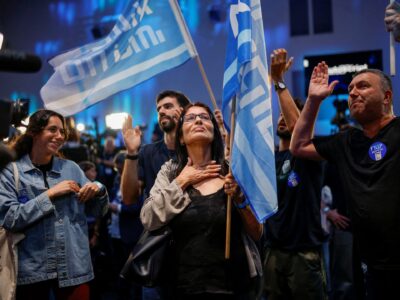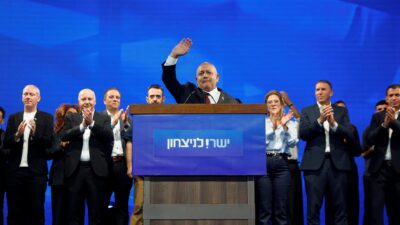
In a significant development in Israeli politics, exit polls from recent elections indicate that Arab parties could secure up to 18 seats in the Knesset, marking a notable increase in their parliamentary representation.
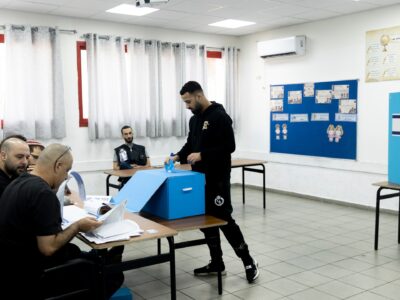
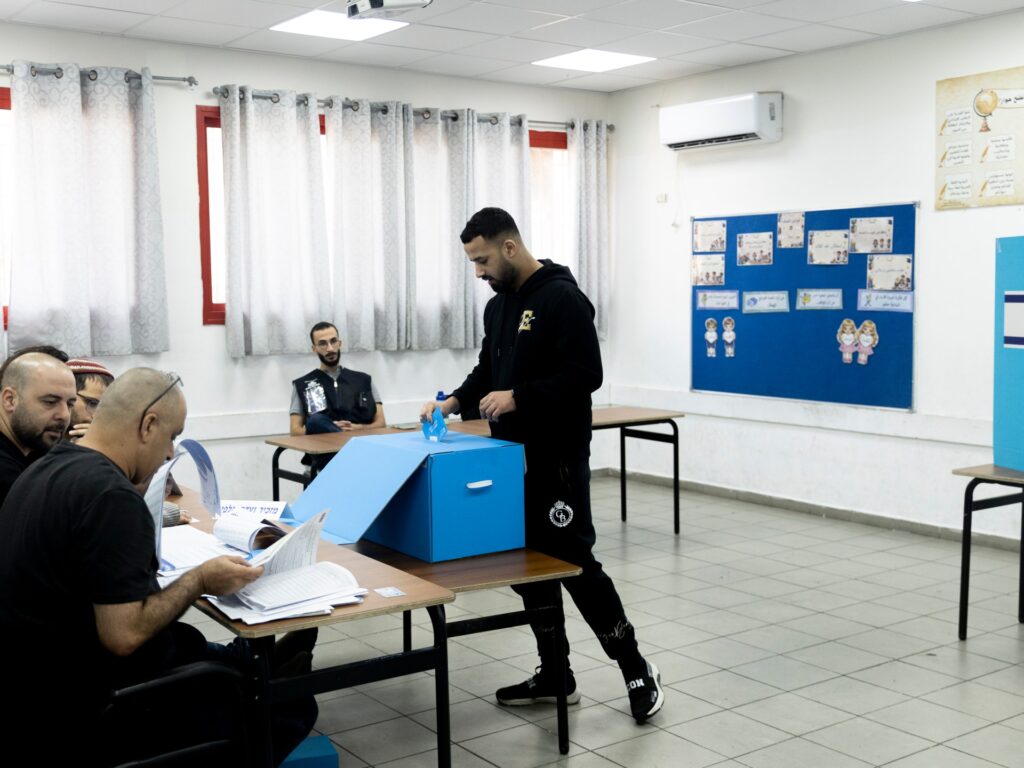
This potential surge comes on the back of record-breaking voter turnout among Palestinian citizens of Israel, with early indications suggesting that turnout reached approximately 80 percent. This high level of participation highlights the growing political engagement among the Arab population within Israel, reflecting a heightened sense of civic duty and community mobilization.
The Arab parties, which traditionally represent the interests of Palestinian citizens in Israel, have capitalized on this momentum to push for greater influence within the political landscape. The increased number of seats would not only enhance their voice on key issues but also potentially shift the balance of power in the Knesset.
Political analysts view this development as a reflection of changing dynamics in Israeli society, where minority groups are becoming more active in shaping policy and discourse. The high turnout among Palestinian voters indicates a strengthened commitment to addressing issues such as equality, civil rights, and national identity.
The election results are still preliminary, but the early trend points to a transformative period in Israeli politics. The increased representation of Arab parties could lead to more inclusive governance and a reevaluation of policies affecting minority communities.
Moreover, this outcome may influence the broader Middle Eastern political environment, as increased representation of Palestinian citizens in Israel’s parliament could impact peace negotiations and regional relations.
Overall, the elections have underscored the importance of voter participation and the power of electoral engagement in shaping democratic outcomes. The Arab community’s strong turnout serves as a reminder of the evolving political landscape in Israel and the potential for greater diversity in its legislative body.
As final counts are completed, all eyes will be on how these shifts translate into policy changes and coalition formations, with many hopeful that this marks a step toward a more representative and equitable political system in Israel.