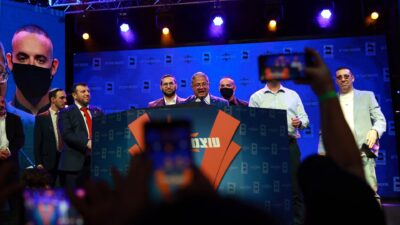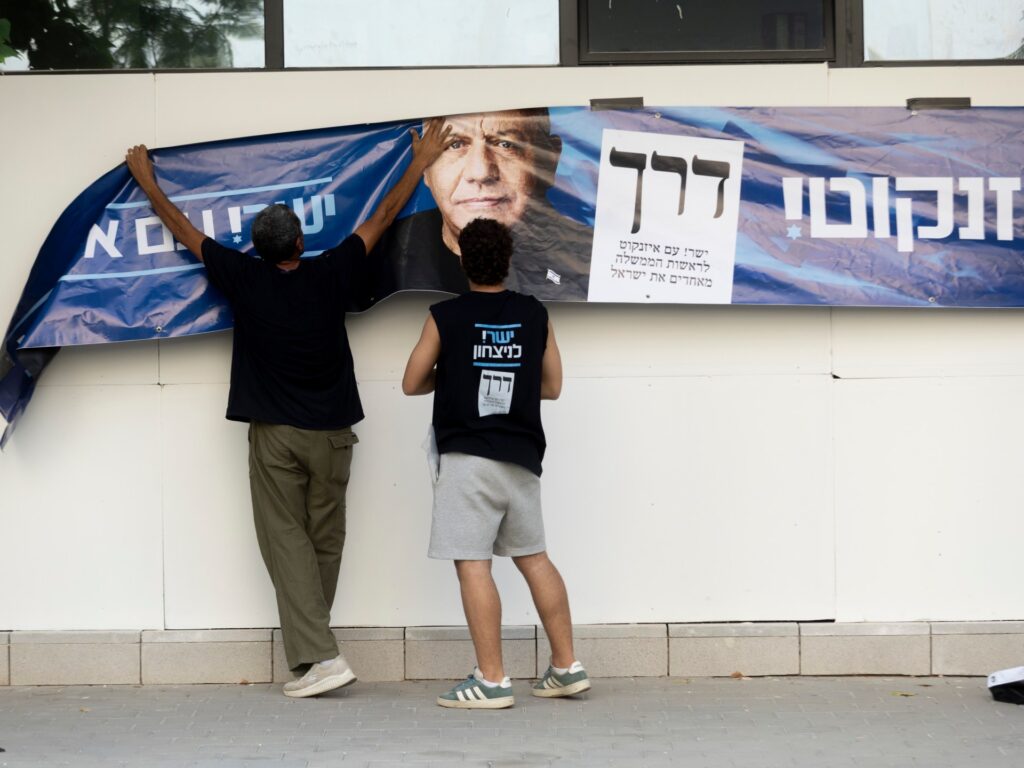
The recent elections in Israel have resulted in an inconclusive outcome, with no clear mandate emerging from the ballot boxes. This electoral ambiguity leaves the political landscape uncertain as the nation looks ahead to the next steps. In such scenarios, Israeli election protocol provides that the President of Israel plays a pivotal role in government formation. President Isaac Herzog, who holds this authority, will now assess the election results and task the candidate he believes is best positioned to build a viable coalition and form a stable government.
Israel’s political system is characterized by a multiparty landscape, often leading to fragmented election outcomes where no single party commands a majority. This fragmentation necessitates coalition-building efforts, which can be complex and time-consuming. With a divided Knesset and no outright winner, the responsibility falls on the President to determine who among the elected lawmakers can most effectively navigate these negotiations.
President Herzog’s decision will be influenced by several factors, including the number of seats each party has won, previous alliances, ideological compatibilities, and the candidate’s ability to secure commitments from other parties. The chosen candidate is then given a period, typically up to 28 days, to form a coalition government. If they fail, the President may give this mandate to another candidate. Failure to establish a government within the stipulated time could lead to another election.
This process underscores the fluid nature of Israeli politics, where coalition governments are the norm rather than the exception. The outcome in the coming weeks will therefore be crucial not only for Israel’s internal governance but also for its foreign policy and regional relations. Stability in leadership affects ongoing security concerns, economic policy, and Israel’s diplomatic engagements.
Observers note that the election results reflect a deeply polarized electorate, with significant support scattered across various political and ideological divides. This polarization complicates the coalition-building process, potentially prolonging political uncertainty.
In the meantime, government functions and public services continue under caretaker leadership. Political parties and leaders are expected to engage in intense negotiations, strategic alliances, and potential compromises to break the deadlock.
The international community watches closely, recognizing that a stable Israeli government is vital for regional stability. Allies and adversaries alike anticipate the formation of a government that can effectively address both domestic challenges and international diplomatic concerns.
In conclusion, the lack of a clear mandate in the Israel election opens a critical phase in Israeli politics. President Herzog’s role will be decisive in determining the country’s political trajectory. The process of coalition formation, though complex, is integral to Israel’s democratic system, reflecting its diverse society and dynamic political environment. The coming weeks will reveal whether a consensus can be reached, or if the nation faces another round of elections.