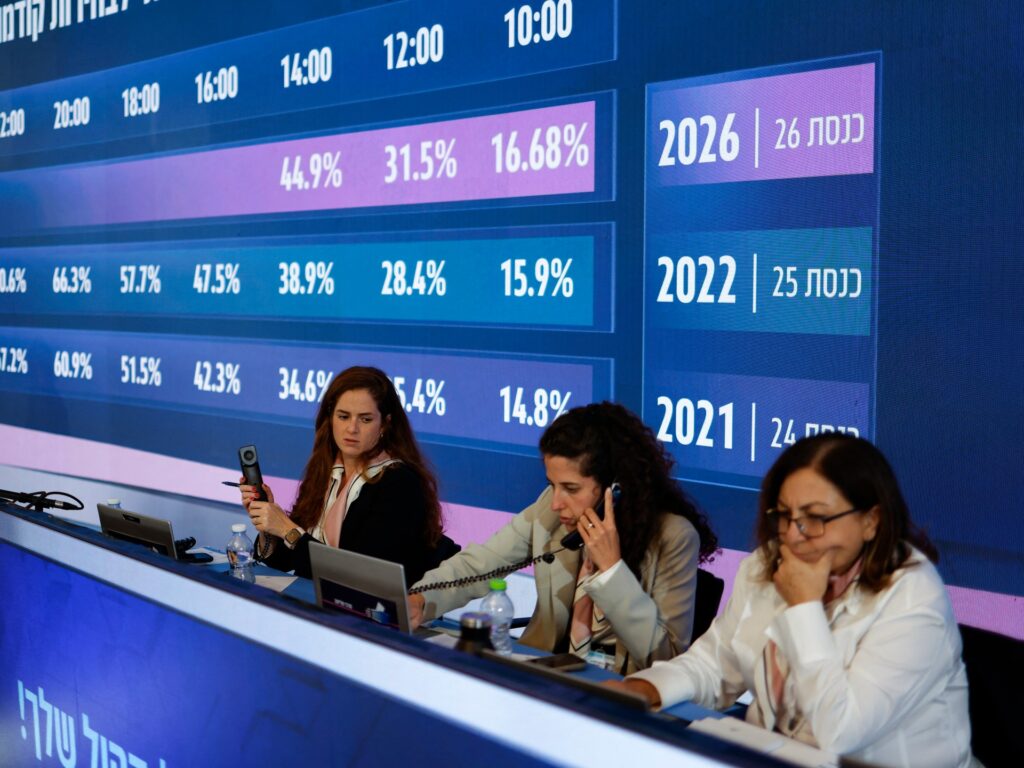
The recent Israeli election has seen a historically high voter turnout, signaling the immense significance of this vote, widely regarded as one of the most consequential in the country’s history. At the heart of the election is Prime Minister Benjamin Netanyahu, who faces a tightly contested race. Exit polls are eagerly awaited as they will provide the first clear indication of how the public has voted in this pivotal moment for Israel.
These elections are not just about selecting representatives but also about determining the direction of the Israeli government and its policies amidst regional and domestic challenges. The political atmosphere has been charged with anticipation and tension, reflecting the profound implications of the results.
Netanyahu, a veteran political figure, seeks to maintain his leadership in the face of strong opposition candidates and shifting alliances. The stakes are high as the election results will influence Israel’s future political landscape and its approach to key issues such as security, economy, and international relations.
The unprecedented voter turnout underscores the electorate’s engagement and the critical nature of this electoral contest. Citizens have turned out in large numbers, demonstrating the high level of public interest and the collective desire to shape the country’s future path.
As the exit polls are released, all eyes remain on Israel to see which direction the democratic process will take the nation. The results will be closely analyzed both within Israel and globally, given the country’s strategic importance in the Middle East.
This election is not only a test of Netanyahu’s political resilience but also a reflection of the Israeli people’s aspirations and concerns in a rapidly changing world. The dynamic political environment and the electoral outcomes will set the tone for Israel’s governance and regional relations in the coming years.