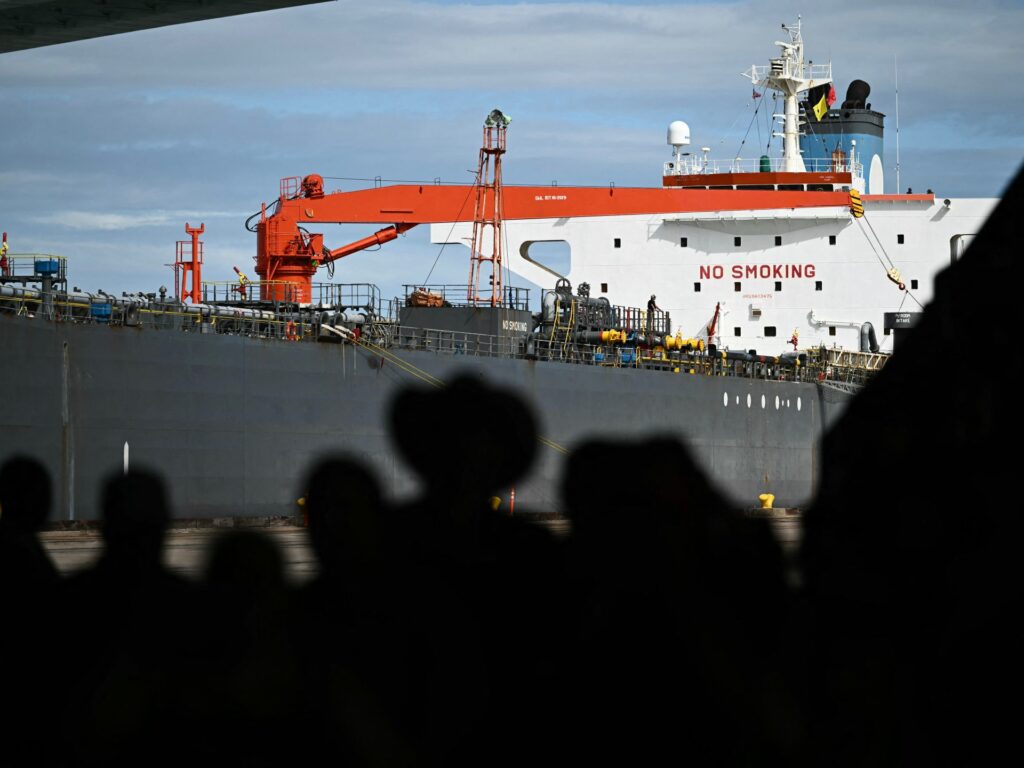
As the 2024 US midterm elections approach, former President Donald Trump is leveraging the ongoing geopolitical tensions involving Venezuela and Iran to rally voters in Texas. Trump recently highlighted Venezuela’s oil resources, framing them as a critical asset in the broader context of global energy security and US economic interests. This move comes as rising fuel costs and energy inflation have become key concerns for American voters, especially in energy-heavy states like Texas.
Trump’s emphasis on Venezuelan oil seeks to contrast his approach to energy and foreign policy with that of his opponents and the current administration. By focusing on Venezuela, a country with one of the largest proven oil reserves in the world, Trump aims to demonstrate his commitment to securing US energy independence and stability. This narrative resonates strongly in Texas, where the oil and gas industry plays a vital role in the state’s economy and employment.
The backdrop of heightened tensions in the Middle East, particularly regarding Iran, has compounded fears about energy supply disruptions and price volatility. Trump has positioned himself as a candidate who prioritizes strategic alliances and resource access to shield America from these external shocks. His messaging suggests that strengthening partnerships in Latin America, including with Venezuela, could be a strategy to diversify oil sources and reduce reliance on the Middle East.
Critics argue that Trump’s focus on Venezuela is overly simplistic, pointing to the complex political and humanitarian issues in the country, including the ongoing crisis under Nicolás Maduro’s regime. Furthermore, they caution that increasing oil imports or cooperation with Venezuela could have significant diplomatic risks and may not be feasible given existing sanctions.
Nevertheless, Trump’s campaign is capitalizing on voter anxiety surrounding the affordability of everyday essentials, with gasoline prices often serving as a tangible measure of economic well-being. Highlighting Venezuelan oil, Trump’s rhetoric aims to reassure voters that he has concrete plans to lower fuel prices and revive the American energy sector.
Texas voters, many of whom work in oil and gas or related industries, appear receptive to Trump’s message. His events in the state have drawn large crowds, where energy security and economic prosperity are frequent topics of discussion. Trump’s focus on Venezuelan oil is part of a broader strategy to energize his base and keep energy policy front and center in the election debate.
As the midterms draw nearer, it remains to be seen how effective this focus on Venezuelan oil will be in swaying undecided voters or influencing the broader national conversation on energy and foreign policy. The intersection of Latin American energy partnerships and Middle Eastern conflicts is shaping up to be an important vector in the upcoming electoral battles.