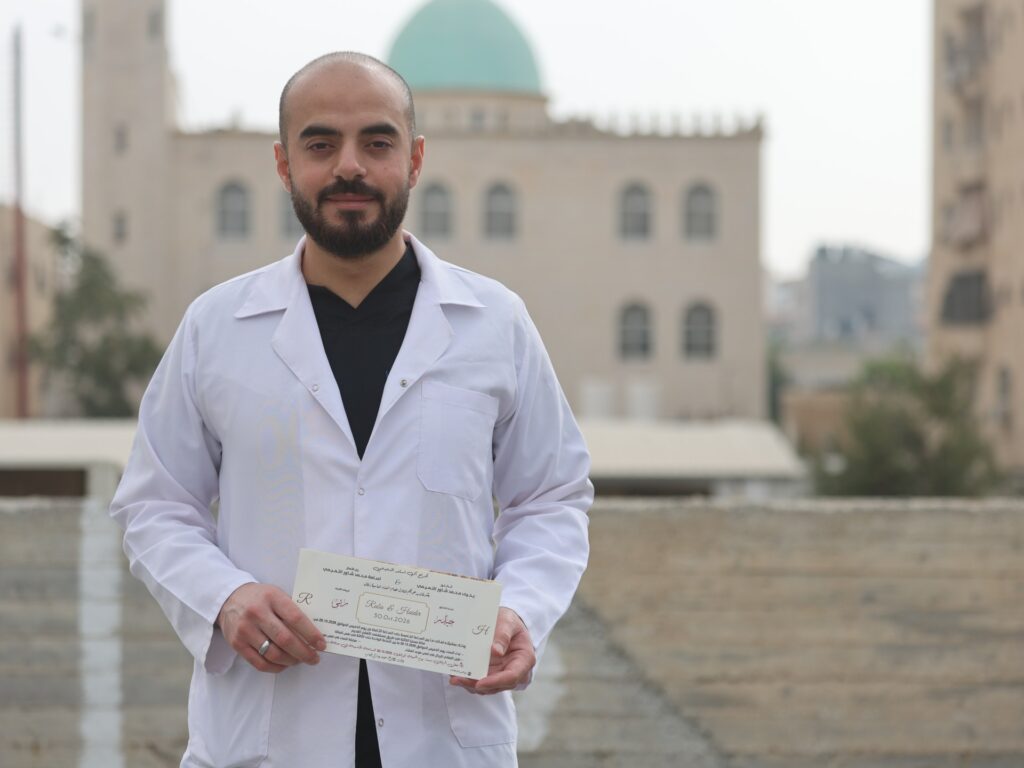
In the heart of the West Bank city of Hebron, a hopeful wedding had to be postponed due to an unforeseen Israeli military lockdown, highlighting the pervasive impact of political tensions on the personal lives of Palestinians. The groom, along with many residents, found their plans disrupted as the Israeli military imposed restrictions that curtailed movement and gatherings.
The city of Hebron, known for its historical and religious significance, has long been a focal point of conflict and military presence. Recent operations by the Israeli Defense Forces (IDF) aimed at security have intensified, causing widespread disruption across the region. These operations often involve curfews, checkpoints, and lockdowns that affect the daily routines of residents.
For the groom and his family, the wedding was meant to be a celebration of joy, unity, and a new beginning. Instead, the military lockdown turned their anticipated event into a symbol of the ongoing conflict’s reach into private spheres. The postponement is not just a matter of rescheduling but reflects the broader context of instability affecting life milestones for Palestinians.
Local sources report that the lockdown was part of a broader security operation in Hebron following incidents of unrest and clashes. These measures, while aimed at preventing violence, invariably lead to significant hardships for the civilian population, impacting work, education, and personal events.
The groom’s family expressed their disappointment, emphasizing how such disruptions extend beyond inconvenience to affect mental and emotional well-being. Weddings in Palestinian culture hold deep social and familial importance, and delays can amplify distress and uncertainty.
Community support has been evident, with neighbors and relatives rallying around the family, understanding the frustration and hope for a peaceful resolution that would allow life to proceed uninterrupted. The postponement also sparked conversations about the human cost of ongoing security policies and the need for greater consideration of civilian life in conflict zones.
Human rights organizations have frequently highlighted the impact of military operations on Palestinian civilians, calling for measures that minimize disruption while addressing security concerns. The case of the postponed wedding in Hebron serves as a poignant reminder of these calls.
As the situation in Hebron remains tenuous, many await the lifting of the lockdown and the opportunity for the groom and his bride to celebrate their union. Their dream, temporarily postponed, embodies the broader desire for peace and normalcy amidst prolonged tensions.
This incident underscores the complex interplay between security imperatives and human rights in areas of conflict, illustrating how military actions reverberate through the personal lives of those caught in the crossfire.