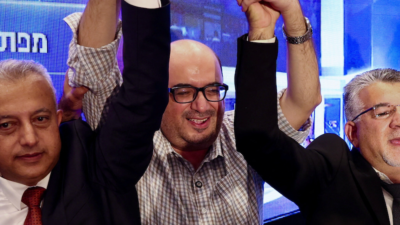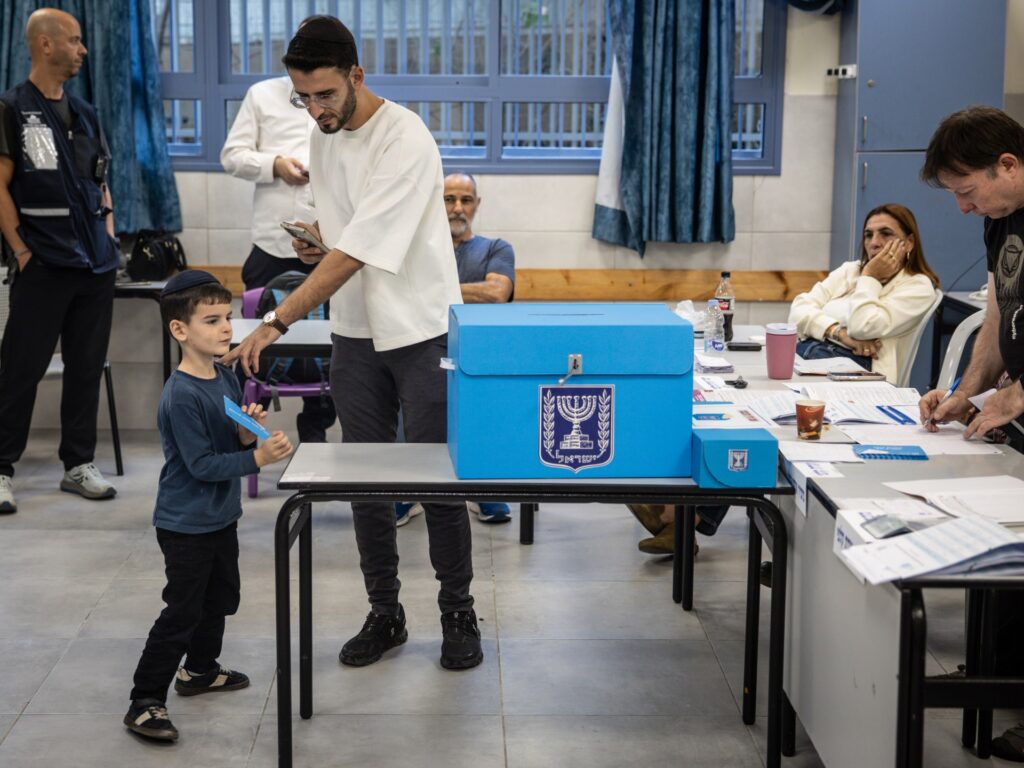
The recent elections in Israel, the first since the significant events of October 7, have resulted in a deadlock according to the exit polls. Neither prime minister candidate Benjamin Netanyahu nor Benny Gantz’s ally Gabi Eisenkot have secured enough support to guarantee a clear majority in the Knesset, Israel’s parliament.
This election was widely anticipated given the political and security challenges facing Israel. Voters turned out in large numbers to express their preferences, but the outcome has once again reflected the country’s deeply divided electorate.
Benjamin Netanyahu, leader of the Likud party and the incumbent prime minister, has been a dominant figure in Israeli politics for years. However, recent polls suggest that while Likud has retained significant support, it has not gained the necessary number of seats to form a stable government alone or with its traditional right-wing allies.
On the other side, Gabi Eisenkot, aligned with Benny Gantz and the Blue and White alliance, was seen as a strong contender hoping to rally centrist and left-wing votes. Nevertheless, the exit polls indicate that Eisenkot’s coalition also falls short of a majority.
The fragmented vote implies that the formation of the next government will require complex coalition negotiations involving smaller parties. These parties could be kingmakers in determining the country’s political direction for the coming years.
Israel’s electoral system, which is based on proportional representation, often results in coalition governments rather than single-party rule. This system reflects the diverse political, ethnic, and religious composition of Israeli society.
Political analysts suggest that the post-election period will be critical as coalition talks will test the willingness of opposing parties to compromise amid an already volatile regional atmosphere.
Observers are paying close attention to the international implications of the election outcome, particularly in terms of Israel’s relations with neighboring countries and its stance on security issues.
The deadlock indicates possible continued political uncertainty for Israel. Netanyahu and Eisenkot both face the challenge of forming viable coalitions, a process that may delay the establishment of a strong and stable government.
Israeli citizens and international stakeholders await further announcements and are hopeful for a resolution that ensures political stability and addresses the pressing issues facing the nation.
The election’s inconclusive result underscores Israel’s complex political landscape, where societal divisions are mirrored in the parliamentary representation, making governance a delicate balancing act.
As the political leaders engage in intensive negotiations, the country braces for what could be a prolonged period of political maneuvering and dialogue to determine the government’s future.
This election marks a pivotal moment in Israeli politics, with significant implications for domestic policies and international relations moving forward.