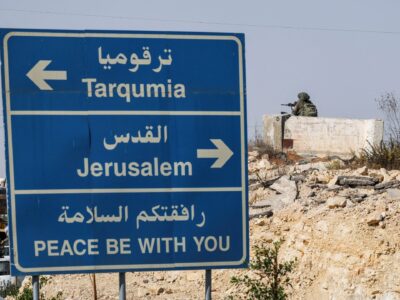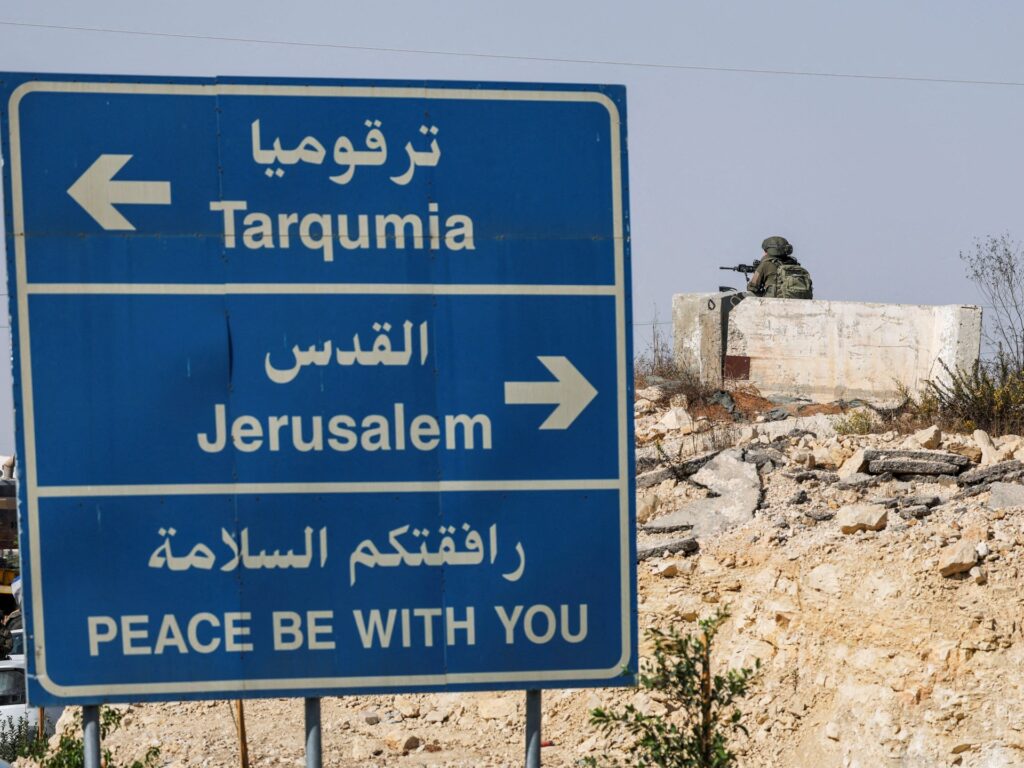
Israel has announced it will close all land crossings with the occupied West Bank on the day of its general election, scheduled for Tuesday. This decision comes amid an ongoing lockdown in Hebron, a flashpoint city in the West Bank, where heightened security measures have been deployed.
The closure aims to prevent movement between the West Bank and Israel during the sensitive electoral period, likely as a measure to maintain security and order. Israel’s Ministry of Defense and security officials have underlined the importance of these precautions due to potential unrest and disruptions linked to both the lockdown and the election process.
The general election represents a critical moment for Israel’s political landscape. Prime Minister Benjamin Netanyahu’s government has faced significant challenges, including internal political instability and ongoing tensions with Palestinians in the occupied territories.
Hebron, one of the largest cities in the West Bank, has frequently witnessed clashes between Israeli forces and Palestinian residents. The lockdown there has restricted travel, commerce, and daily life, contributing to increased tensions locally.
Closure of crossings impacts the movement of Palestinians who often commute for work, medical needs, and family connections. Palestinian officials have expressed concern about the humanitarian impact of such restrictions, especially in a context where the West Bank already experiences significant mobility limitations.
The timing of the crossings closure with the Israeli election reflects the broader complexities of security and political considerations in the region. It underscores how Israeli policies regarding the occupied territories are intertwined with domestic political developments.
The international community continues to watch developments closely, with various parties calling for restraint and emphasizing the need for dialogue to reduce tensions. Human rights organizations have also highlighted the importance of ensuring freedom of movement and access to essential services for Palestinians during such periods of heightened restrictions.
This move follows previous patterns where Israel has imposed similar restrictions during major national events or in response to security threats. The ongoing occupation and associated measures remain contentious issues in the Israeli-Palestinian conflict.
As the election day approaches, security forces are expected to maintain strict control measures not only in the West Bank but also in Israel itself. The goal is to ensure a stable environment for voters while balancing concerns over potential violence or disruptions.
The closure of West Bank crossings is a significant development in the context of ongoing Israeli-Palestinian tensions, highlighting the persistent challenges faced by Palestinians living under occupation and the intricate linkages between Israeli domestic politics and the broader conflict.
Many observers suggest that the situation underscores the need for renewed efforts toward peace and a resolution that addresses both security concerns and Palestinian rights. However, with the current political climate and security atmosphere, prospects for immediate change remain uncertain.
In the coming days, the international and regional response to the crossing closures and the Hebron lockdown will be critical, as will ongoing scrutiny of election results and subsequent government policies towards the West Bank.
Overall, the decision to close all occupied West Bank crossings during the Israeli general election reflects a strategic security approach amidst a complex and volatile political environment, with significant ramifications for Palestinians and the broader peace process.