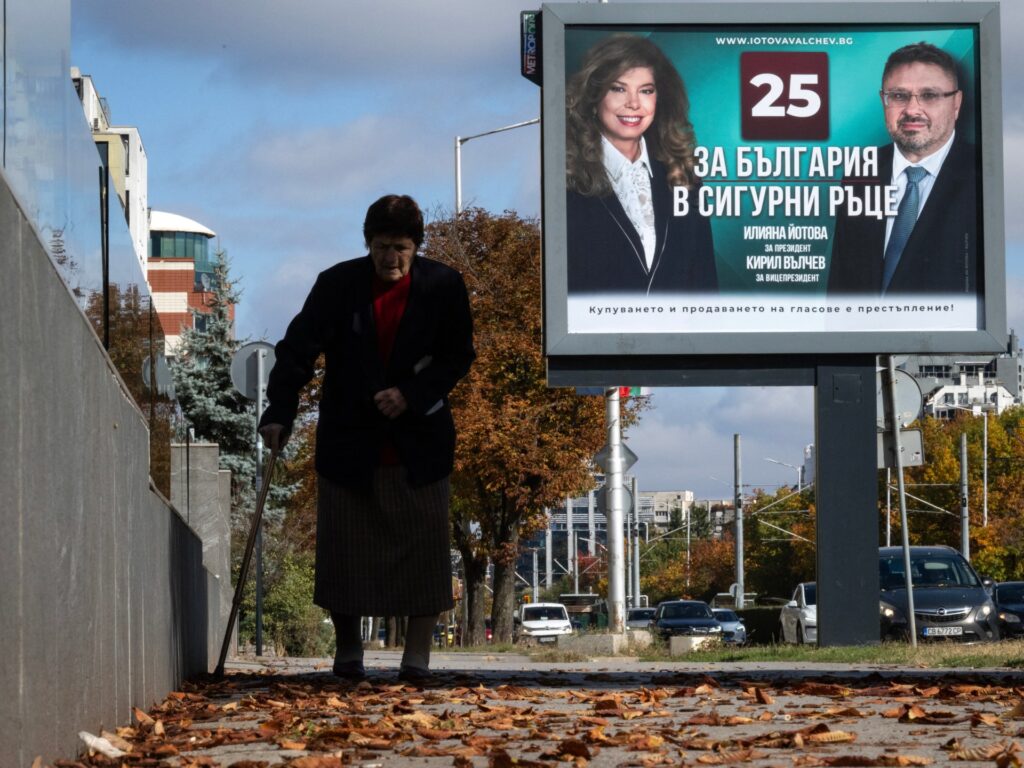
As Bulgaria approaches its presidential elections, the political atmosphere is heavily influenced by the ongoing war in Ukraine and recent deadly drone strikes in the Black Sea. This conflict has cast a long shadow over the electoral process, challenging candidates to address both national security concerns and Bulgaria’s position in the broader geopolitical landscape.
The two leading candidates in the presidential race have both strongly condemned the recent drone attacks that resulted in significant loss of life in the Black Sea region. Their unified stance on this immediate threat highlights a shared commitment to national safety and regional stability.
However, their views diverge significantly when it comes to the broader context of the war in Ukraine. This divergence reflects the complex and often divided opinions among the Bulgarian electorate regarding foreign policy and international alliances.
One candidate supports a firm stance aligned with Western countries, advocating for continued support to Ukraine and a strong condemnation of Russian aggression. This position resonates with those in Bulgaria who see the war as a critical test of democratic values and a struggle for European security.
In contrast, the other candidate adopts a more cautious approach, emphasizing diplomacy and dialogue to resolve the conflict. This perspective appeals to voters wary of escalating tensions and those who prioritize Bulgaria’s historical and economic ties with Russia.
The election thus serves as a referendum not only on the candidates themselves but also on Bulgaria’s future role on the international stage amidst a rapidly evolving crisis.
The war has also brought to the forefront issues of energy security and economic stability, both of which are crucial concerns for Bulgarian voters. With Europe’s energy landscape shifting due to the conflict, candidates are tasked with proposing solutions that will protect Bulgaria’s interests without escalating geopolitical tensions.
Moreover, the election highlights Bulgaria’s strategic importance in the region, given its geographic proximity to the Black Sea and its position as a bridge between Eastern and Western Europe.
As voters head to the polls, they are tasked with choosing a leader capable of navigating these complex challenges. The outcome will not only shape Bulgaria’s domestic policies but also its foreign relations and contribution to regional security.
In summary, Bulgaria’s presidential election is a pivotal moment defined by the shadow of Russia’s war on Ukraine. The two frontrunners’ condemnation of recent Black Sea drone strikes underscores a common concern for national security, while their divergent views on the broader conflict reflect deeper divides within the country. Ultimately, the election will determine Bulgaria’s path forward during a time of substantial uncertainty and geopolitical upheaval.