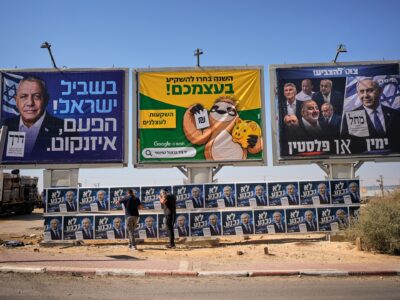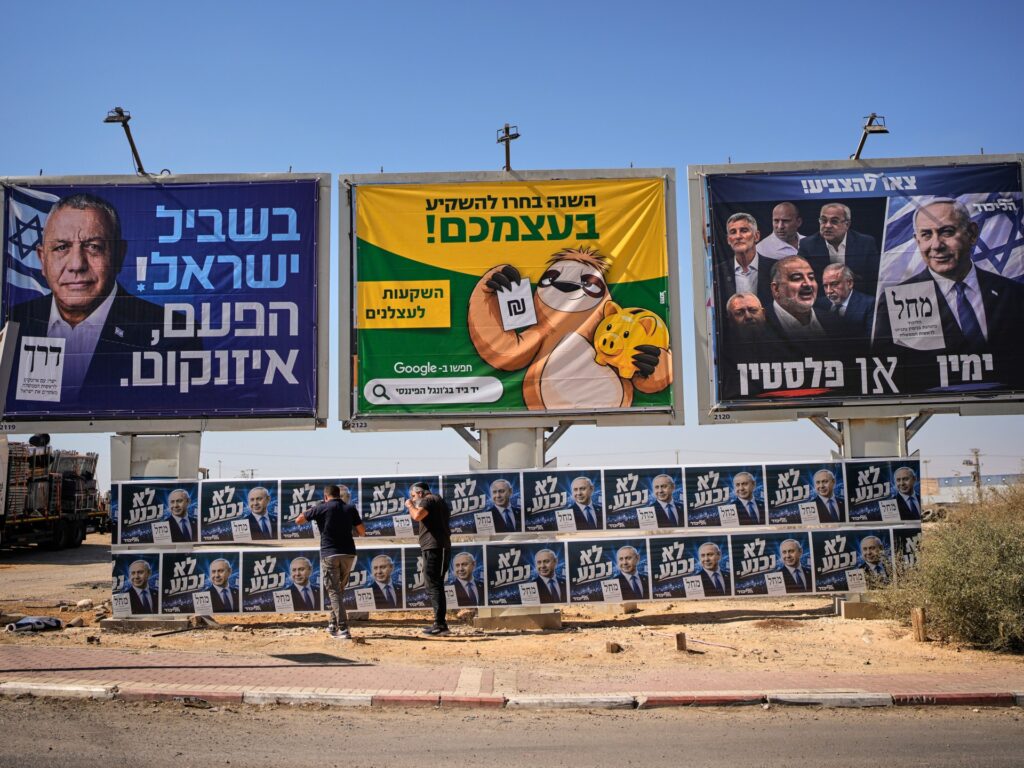
As Israel approaches the crucial elections on October 27, the political landscape is rife with tension and uncertainty. The leadership of Prime Minister Benjamin Netanyahu hangs delicately in the balance, with the nation deeply divided over the future direction of the country. This election is not just about who holds power; it reflects the broader ideological battles within Israeli society and has significant ramifications for domestic policy and geopolitical relations.
Benjamin Netanyahu, Israel’s longest-serving prime minister, has faced numerous challenges, including allegations of corruption and fierce opposition from a coalition of rival parties. His leadership is under scrutiny as the electorate considers whether to continue with his policies or opt for change.
The main political blocs contesting the election include Netanyahu’s right-wing Likud party, various religious and nationalist factions, and a consolidated center-left alliance. Each coalition offers a distinct vision for Israel’s future, especially concerning security, the economy, and relations with the Palestinians.
One possible outcome is the continuation of Netanyahu’s coalition, which would mean a sustained right-wing government focused on strong security measures, economic liberalization, and conservative social policies. This scenario may also lead to a hardening stance in peace negotiations and increased settlement activities in the West Bank.
Alternatively, a center-left coalition could emerge victorious, potentially reversing some of Netanyahu’s policies. This outcome might revive efforts toward a two-state solution, advance social welfare reforms, and promote more liberal domestic policies.
However, Israeli politics is notoriously fractious, and a deadlock or fragmented Knesset is possible, leading to prolonged coalition talks and political instability. Such a scenario could hamper decisive governance and prolong internal divisions.
Moreover, new and smaller parties could influence the balance of power, making coalition-building even more complex. These parties often represent niche issues or specific demographic groups, adding layers of negotiation to government formation.
The election’s significance extends beyond Israel’s borders. International observers are watching closely, as the results will impact regional dynamics in the Middle East and Israel’s relationships with key allies like the United States and the European Union.
In summary, the October 27 election represents a watershed moment for Israel, with outcomes ranging from continued right-wing dominance, a shift to center-left governance, or a politically fragmented parliament. Each possibility entails distinct policy trajectories and implications for both Israelis and the broader international community. Voters’ choices in this pivotal election will shape Israel’s political future and its role on the global stage for years to come.