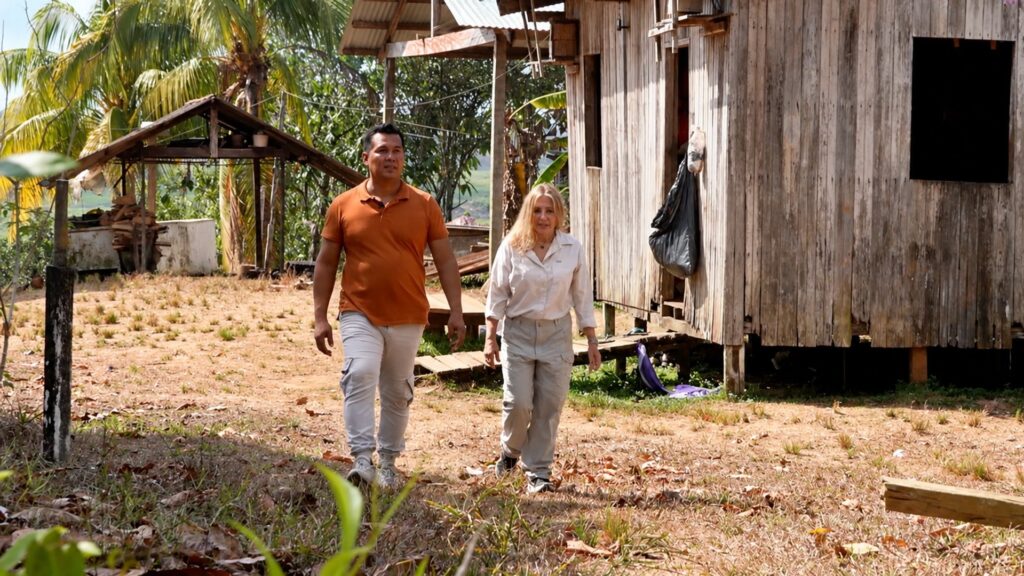
As Brazil approaches its upcoming elections, indigenous communities across the nation have voiced significant concerns regarding the potential impact of the election results on environmental protections. These communities, known for their deep connection to the Amazon rainforest and other vital ecosystems, fear that unfavorable political outcomes could lead to weakened conservation efforts and increased environmental degradation.
The Amazon rainforest, often referred to as the “lungs of the Earth,” is home to numerous indigenous tribes who rely on its resources for their cultural and physical survival. The protection of these lands has been a contentious topic in Brazilian politics, particularly as deforestation rates have surged in recent years due to illegal logging, mining, and agricultural expansion.
Indigenous leaders argue that the election could determine the future direction of environmental policies, especially concerning land rights and conservation laws. They emphasize that governments indifferent to indigenous rights often prioritize economic development over environmental preservation, putting fragile ecosystems and indigenous ways of life at risk.
Several candidate platforms have differing views on environmental regulation. Some advocate for stronger enforcement of environmental laws and recognition of indigenous territories, while others propose relaxing regulations to boost economic growth. The divide underscores the high stakes for Brazil’s biodiversity and indigenous populations.
Environmental activists and international observers have also expressed alarm, warning that a government less committed to environmental protections may exacerbate deforestation and jeopardize global climate goals. The Amazon plays a crucial role in carbon sequestration, and its destruction could accelerate climate change.
The indigenous communities’ concerns highlight a broader debate about balancing economic interests with environmental stewardship. They call for policies that respect indigenous rights, promote sustainable development, and ensure the preservation of Brazil’s natural heritage.
As the election draws near, the spotlight remains on Brazil’s commitment to safeguarding its environment and honoring the voices of indigenous peoples who have long been stewards of these lands. The outcome will likely have profound implications not only for Brazil but for global environmental health and indigenous rights.