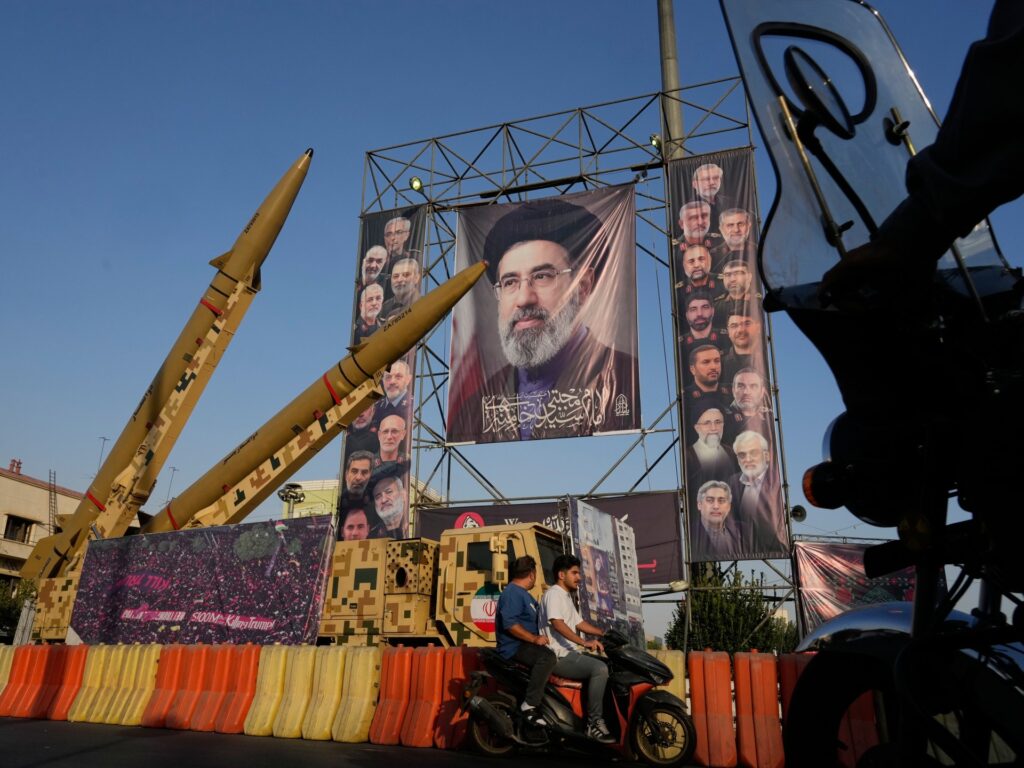
In a recent development, Iran has publicly attributed the collapse of critical negotiations to the United States, calling for a renewed attempt at dialogue to prevent further escalation. Tehran’s officials voiced strong concerns over ongoing tensions, warning that even limited military strikes against Iranian targets could provoke responses that are “several times greater,” marking a dangerous threshold for regional stability.
The current diplomatic impasse revolves around a sensitive deal, which many had hoped would ease tensions in the Middle East and reintegrate Iran into the international community. However, negotiations have stalled, primarily due to disagreements centered on sanctions, nuclear program oversight, and security guarantees.
Iran’s government insists that the failure to reach an agreement is largely due to the US’s inflexibility and unwillingness to address Tehran’s core demands. Officials have signaled readiness to engage in fresh talks but emphasized that any new efforts must be based on mutual respect and tangible concessions from Washington.
The heightened rhetoric from Tehran coincides with increased alarm over potential military confrontations. With regional actors on edge, Iran warns that even a limited strike—often considered a tactical measure by some—could result in an overwhelming and disproportionate retaliatory response. This escalation risk compounds fears of a broader conflict that could destabilize the region and impact global security.
Analysts suggest that the current stalemate reflects deeper mistrust and competing strategic interests between the US and Iran. The breakdown of the recent deal talks has created a vacuum where miscalculations and provocative actions could spiral into conflict. Diplomatic experts urge renewed dialogue with clear frameworks to avoid inadvertent escalation.
The international community continues to watch closely, with many advocating for mediation efforts and incentives to bring both sides back to the negotiating table. The emphasis remains on preventing military confrontations and fostering a durable agreement that addresses the concerns of all stakeholders.
As Tehran presses its warning and calls for revived negotiations, the path forward remains uncertain but critical. The coming weeks could prove decisive in determining whether renewed dialogue will prevail over escalating tensions, with implications far beyond the immediate region.