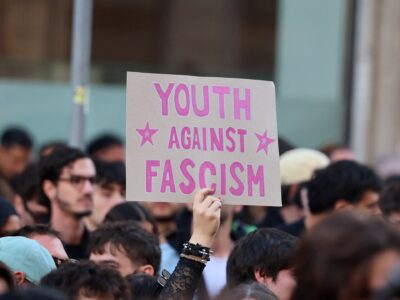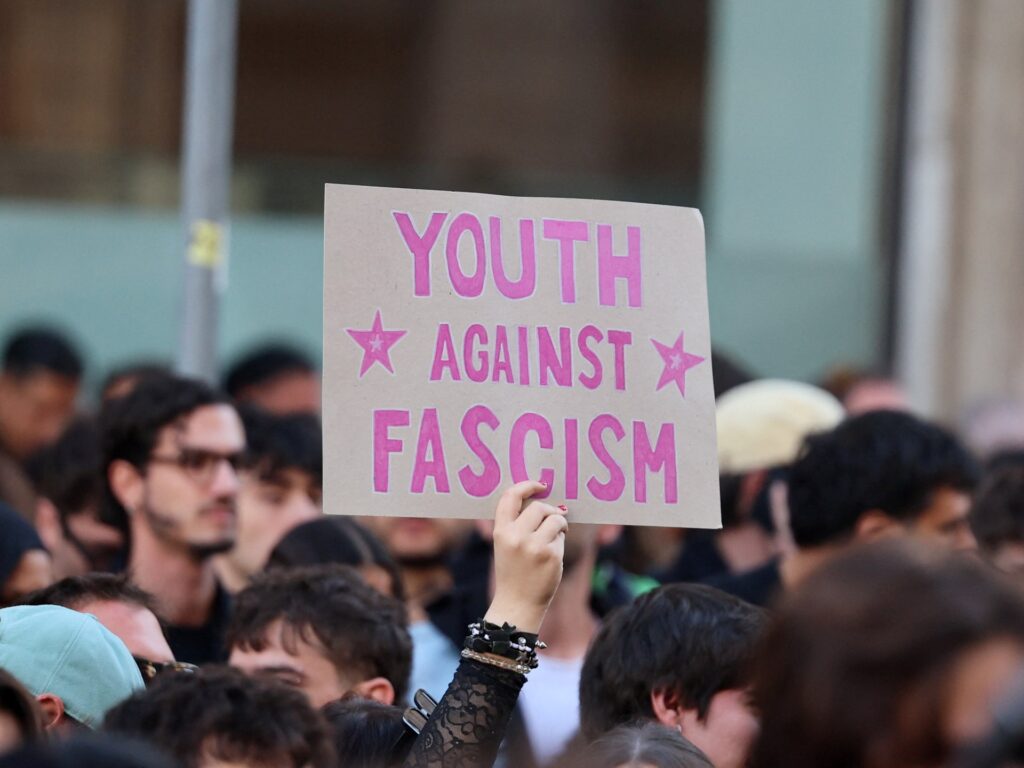
In a significant move to maintain order, the Italian government has deployed hundreds of soldiers to Milan, the country’s renowned fashion and financial capital. This deployment comes amid widespread anticipation of large-scale protests planned to take place in the city.
Milan, known globally for its influential fashion scene and robust financial markets, is facing a surge in public demonstrations. The protests are expected to be substantial, prompting government authorities to bolster security measures to prevent potential unrest and ensure public safety.
The decision to send in soldiers highlights the seriousness with which Italian officials are approaching the situation. It underscores concerns about the scale of the protests and the possibility of disruptions to daily life, commerce, and public order in one of Italy’s most vibrant urban centers.
Details surrounding the reasons for the protests indicate a complex mix of social, economic, and political grievances. Citizens have voiced their dissatisfaction over various issues, ranging from economic policies and labor rights to government decisions impacting everyday life.
Local authorities are coordinating closely with national forces to manage the expected crowds. The military presence aims to support law enforcement in maintaining peace, preventing violence, and protecting key infrastructures, including financial institutions and retail establishments critical to Milan’s economy.
The deployment also sends a strong message regarding the government’s commitment to uphold law and order, even as it balances the right to peaceful protest. Officials emphasize the importance of dialogue and peaceful expression but remain prepared for any escalation.
Public reaction to the military presence is mixed. While some citizens feel reassured by the added security, others express concern about the militarization of public spaces and potential restrictions on civil liberties.
The situation in Milan is being closely monitored by national and international observers. How the authorities handle the protests could set a precedent for managing civil unrest in Italy’s other major cities.
As events unfold, the government continues to urge calm and open channels of communication with protest organizers. The hope is to resolve tensions without resorting to force, preserving Milan’s reputation as a global hub of culture and commerce.
In summary, the deployment of hundreds of soldiers to Milan is a strategic response to anticipated large-scale protests, reflecting the government’s resolve to maintain stability in one of Italy’s most critical urban centers amid growing public dissent.