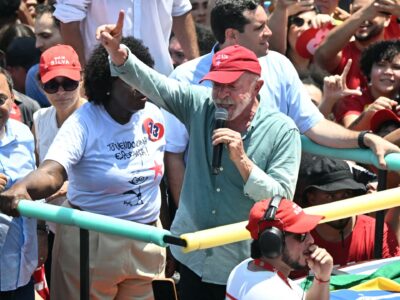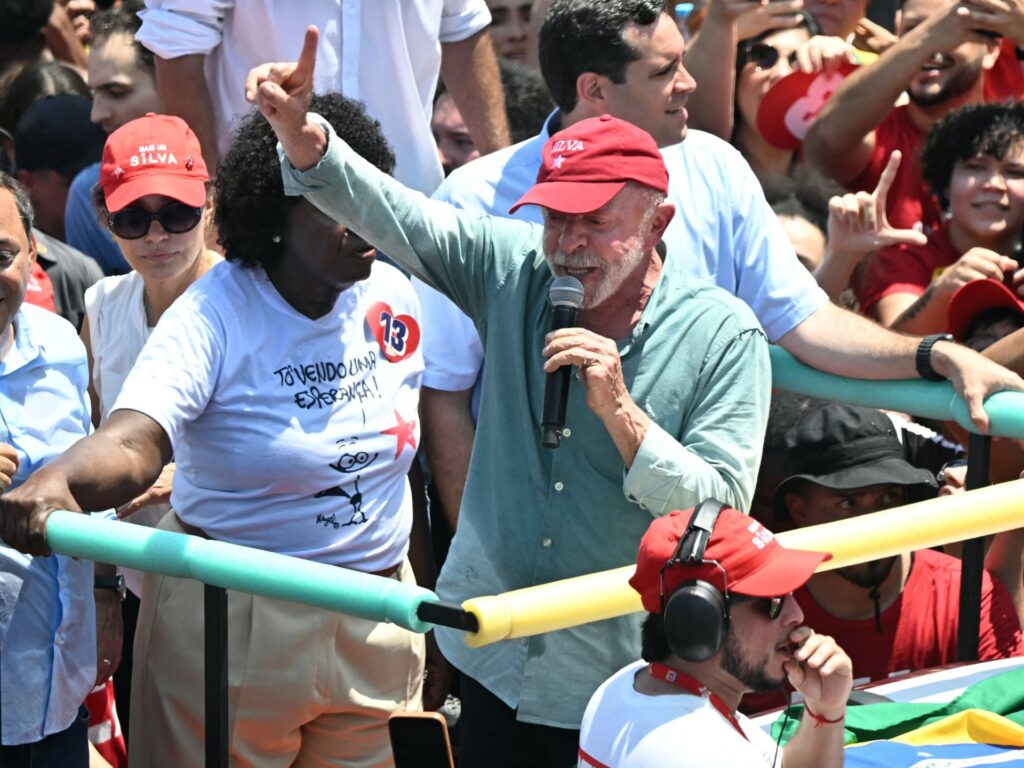
On the eve of a pivotal run-off election, Brazil witnessed massive rallies from both leading candidates, President Luiz Inácio Lula da Silva and former President Jair Bolsonaro. These final gatherings underscore the high stakes involved as Brazilians prepare to choose between continuing a left-wing agenda or returning to right-wing leadership.
In various cities across the country, thousands flocked to hear Lula and Bolsonaro speak, signaling intense public engagement and the polarized nature of Brazilian politics. Lula, representing the Workers’ Party, emphasized social programs, economic equality, and environmental protection, themes that have guided his political career. His supporters gathered in large numbers, demonstrating strong loyalty and hope for renewed policies that prioritize social welfare.
Meanwhile, Bolsonaro, a right-wing former military officer, rallied his base by highlighting his hardline stance on crime, conservative values, and critiques of leftist economic policies. His campaign sought to remind voters of his previous tenure’s focus on security and nationalistic pride. Bolsonaro’s followers are passionate and mobilized, reflecting deep divisions within the country over Brazil’s direction.
The election runoff is seen as a defining moment for Brazil’s future trajectory. Voters are faced with a choice between two divergent visions: Lula’s promise to address inequality through inclusive policies versus Bolsonaro’s appeal to conservative ideals and economic liberalization.
Political analysts note the significance of this election amid global challenges such as economic recovery post-pandemic, climate change impacts, and social unrest. Brazil’s role as a major player in Latin America and the global community adds further weight to the election’s outcome.
Campaign events in the final hours were marked by spirited speeches and calls for unity from both candidates, though the stark differences in their platforms remain clear. Observers emphasize the importance of peaceful conduct and respect for democratic processes during this tense and closely watched election.
As Brazil heads to the polls, the energy from the recent rallies highlights the electorate’s engagement and the critical nature of their choice. The run-off will not only determine the country’s immediate leadership but also shape Brazil’s social, economic, and political landscape for years to come.
In summary, the election-eve rallies held by Lula and Bolsonaro encapsulate the high stakes and passionate sentiments surrounding this decisive run-off. The outcome will chart the course for Brazil’s future, whether maintaining a left-wing approach under Lula or shifting towards Bolsonaro’s right-wing policies.