As Brazil approaches a critical juncture in its presidential elections, the country’s leading candidates held their final rallies ahead of a razor-thin runoff vote that promises to shape the nation’s future. This runoff, following a tightly contested general election, is marked by deeply polarized political views and significant public engagement, with voters divided on the country’s direction.
The atmosphere in Brazil is charged with anticipation as millions prepare to cast their votes in a decision that could alter the course of policy on issues such as the economy, environment, social justice, and international relations. Both candidates have intensified their campaigns, touring key battleground states and energizing their bases in a bid to secure crucial support.
Each rally showcased the stark contrasts between the candidates. One candidate emphasized continuity and stability, appealing to conservative voters concerned with fiscal prudence and public security. In contrast, the challenger advocated for sweeping reforms, focusing on social equity, environmental protection, and challenging the status quo.
Observers note the significant role social media and grassroots movements have played in mobilizing voters. The campaigns have utilized digital platforms to reach younger demographics and rural communities, aiming to increase turnout and influence undecided voters amid a fertile ground of political activism.
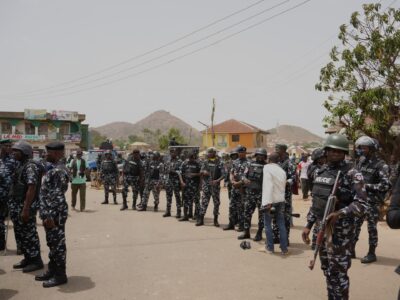
Security measures were heightened at rally venues amid concerns over potential unrest, reflecting the high stakes and emotional intensity surrounding this election. The candidates have urged their supporters to engage peacefully, underscoring the importance of democratic processes and respect for the outcome.
International eyes remain keenly focused on Brazil, a regional powerhouse with global influence, as the election outcome is anticipated to have reverberating effects on Latin America’s political landscape and on global markets. Analysts suggest that the winner will face immediate pressure to address both domestic challenges and international expectations.
The runoff vote is scheduled within days, and Brazilian citizens are preparing to make a choice that will steer their country through a complex era marked by economic uncertainties, social challenges, and environmental concerns. The final rallies are the candidates’ last opportunity to sway voters, who are encouraged to participate in what many consider a defining moment for Brazil’s democracy.
As the nation waits, the atmosphere mixes hope, tension, and determination, underlining the significance of this election not only for Brazil but also for the broader region and the international community.