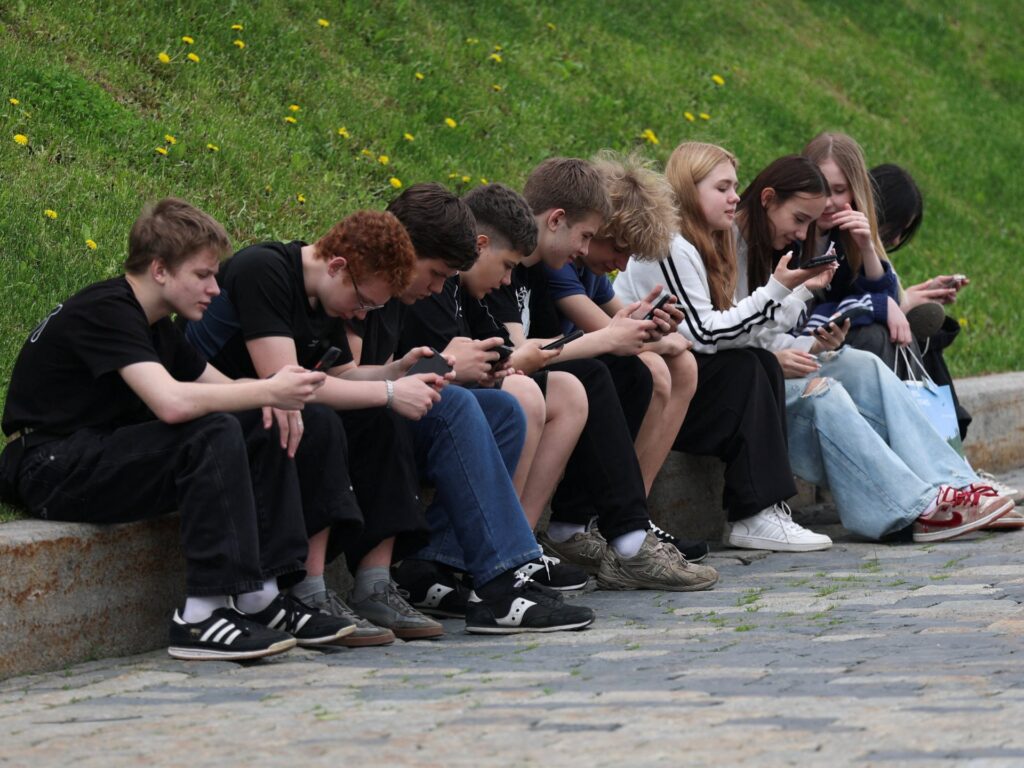
Greece has recently joined a growing list of countries advocating for stricter regulations on social media usage among minors, aiming to address the increasing fears surrounding addiction and adverse mental health effects linked to prolonged online activity. This move is part of a broader international push to safeguard children from potential harm caused by unfettered access to social media platforms.
The initiative reflects a rising global awareness of the impact of digital environments on young users, with several nations implementing or considering measures to either limit or ban social media usage for individuals below a certain age. The concerns largely stem from studies suggesting that excessive social media exposure can lead to addiction, anxiety, depression, and disrupted sleep patterns among children and teenagers.
In Greece, policymakers are focusing on introducing legal frameworks that would restrict or prohibit minors from using platforms such as Facebook, Instagram, TikTok, and Snapchat without parental consent or stringent age verification systems. Advocates argue that such regulations will help protect children’s mental health and promote more responsible digital habits.
The push aligns with similar actions in countries like the United Kingdom, France, and parts of the United States, where lawmakers have proposed or enacted legislation targeting the digital wellbeing of younger populations. These efforts include mandating technology companies to enhance privacy protections, provide clearer information about risks, and incorporate features that limit screen time.
Experts in child psychology and digital safety emphasize that while technological solutions are critical, they must be accompanied by comprehensive educational programs for parents and children. These programs aim to bolster digital literacy, helping families navigate online spaces safely and recognize warning signs of technology overuse.
Opponents of outright bans caution that social media can also have positive impacts, such as fostering social connections and creativity among youth. They recommend a balanced approach combining regulation with engagement and education.
Nevertheless, the consensus among many governments and health authorities is increasingly tilted towards precaution, acknowledging the unique vulnerability of minors to online harms. Greece’s move signals a significant strengthening of this global trend, underscoring the urgency to adapt legal frameworks to the evolving digital landscape.
As social media continues to permeate daily life, the debate over how best to protect young users is likely to intensify. Governments, technology companies, caregivers, and educators will need to collaborate closely to create safe, inclusive, and engaging online environments for future generations.