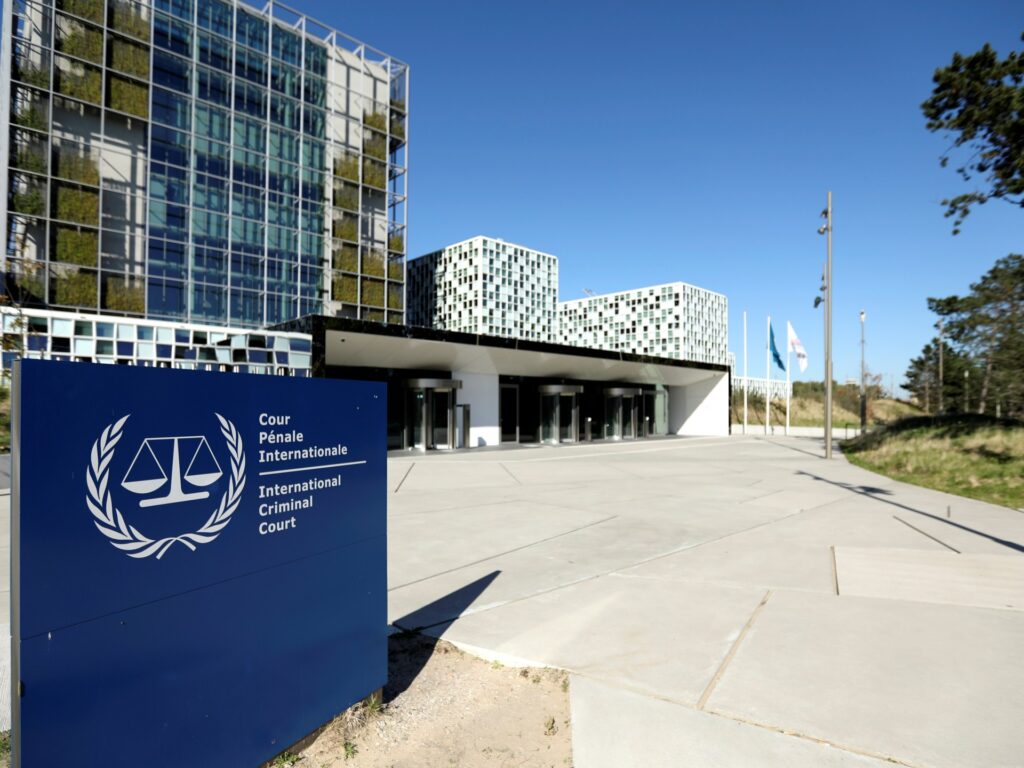
The International Criminal Court (ICC), which recently faced sanctions imposed by the United States, has been awarded the Sakharov Prize for Freedom of Thought, the European Union’s most prestigious human rights award. This recognition comes less than two weeks after US President Donald Trump announced sanctions against the court, highlighting the ongoing tensions between the ICC and the US government.
The ICC, established to prosecute individuals for crimes such as genocide, war crimes, and crimes against humanity, has encountered significant challenges over the years, especially regarding cooperation from major powers. The US sanctions, announced in late 2020, were a response to the ICC’s investigations into alleged war crimes committed by American personnel in Afghanistan.
Despite these hurdles, the ICC’s dedication to upholding international justice and human rights has been recognized by the European Parliament. The Sakharov Prize is awarded annually to individuals or organizations that have made substantial contributions to the defense of human rights and freedom of thought across the globe.
In its citation, the European Parliament emphasized the ICC’s role in promoting accountability for the gravest international crimes and its importance in the fight against impunity. The court’s work, they noted, is essential to ensuring justice for victims and the prevention of future atrocities.
The awarding of the Sakharov Prize to a US-sanctioned entity underscores the complex dynamics between global justice mechanisms and national interests. It also serves as a statement from the EU supporting international law and the principles underpinning the ICC’s operations.
Human rights advocates have welcomed the decision, viewing it as a boost for the court at a time when its legitimacy and effectiveness face stiff opposition from powerful states. The award may reinforce the ICC’s resolve and encourage broader international support for its mission.
The ICC’s Chief Prosecutor expressed gratitude for the recognition and reaffirmed the court’s commitment to pursuing justice regardless of political pressures. The prize is also seen as an encouragement to other institutions and individuals working in the human rights arena.
This development adds a significant chapter to the ongoing narrative of international justice, highlighting how supranational bodies navigate intricate political landscapes to uphold universal values. The ICC’s Sakharov Prize win is not merely a symbol of honor but a reaffirmation of the global community’s dedication to justice and human dignity.
In conclusion, the ICC receiving the Sakharov Prize despite US sanctions demonstrates the resilience of international legal institutions and the importance of standing firm in defense of human rights. It signals to the world that the pursuit of justice transcends unilateral political actions and that collective support for human rights remains robust.
As the ICC continues its work investigating and prosecuting severe crimes worldwide, the backing from the EU and the recognition reflected in the Sakharov Prize could serve as pivotal support. It may inspire greater cooperation from other nations and strengthen the global fight against impunity. This award marks a milestone not just for the ICC but for the broader international human rights movement, reinforcing the message that defending human dignity and the rule of law remains a shared and unwavering commitment.