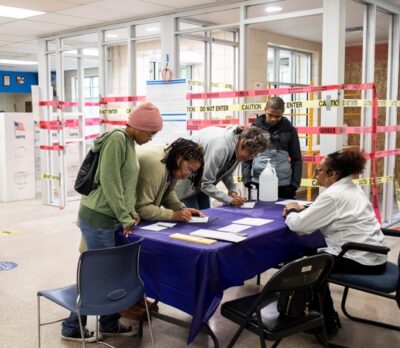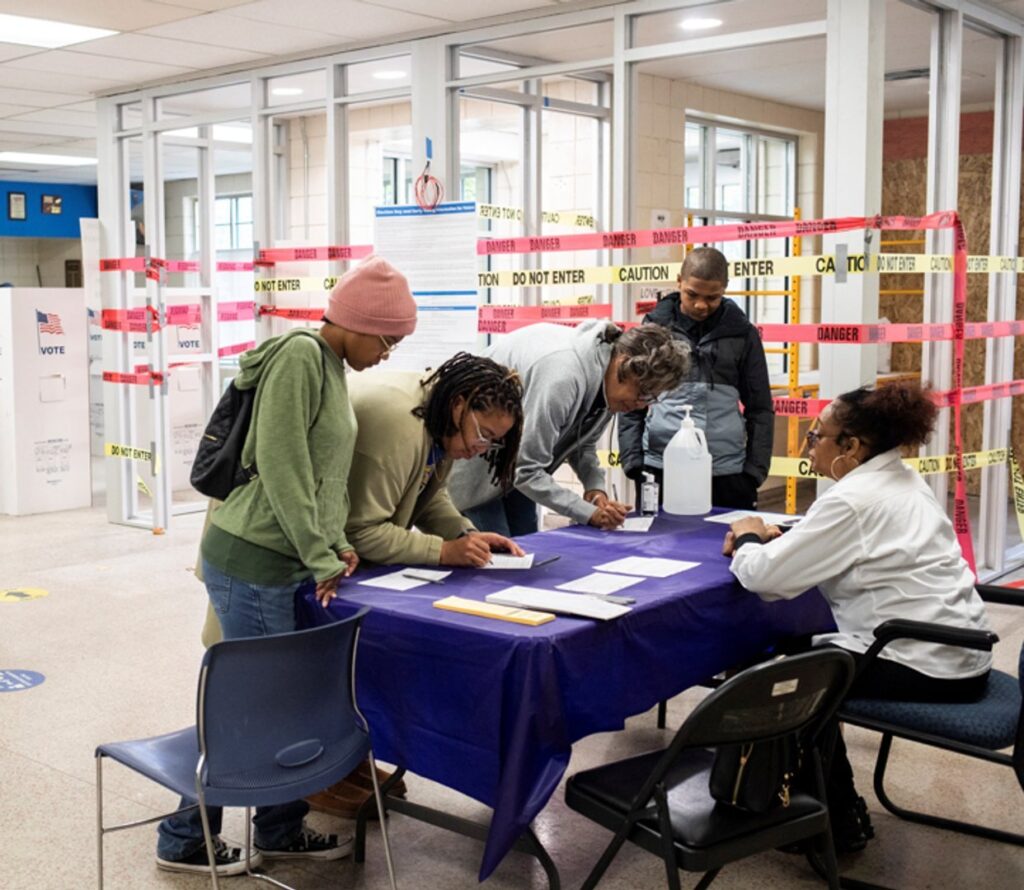
With less than two weeks remaining before the crucial midterm elections, Michigan voters remain closely divided between candidates Rogers and El-Sayed. The political landscape in Michigan is proving to be highly competitive, with neither candidate holding a decisive lead. This race is capturing significant attention as it could have a substantial impact on the state’s political direction.
In recent polls, Roger and El-Sayed are shown to be neck and neck, underscoring the uncertainty among the electorate. Many voters in Michigan are still weighing their options, indicating that the outcome of the election is far from decided. Campaign efforts have intensified, with both candidates ramping up their outreach, debates, and advertisements to sway the undecided voters.
Michigan, often considered a swing state, plays a pivotal role in national elections. The close competition between Rogers and El-Sayed reflects the broader political divide within the state, mirroring national sentiments on key issues including the economy, healthcare, education, and social justice.
Observers note that voter turnout will be critical in determining the eventual winner, as enthusiasm for both candidates runs high among their respective supporters. Political analysts are closely watching this race as an indicator of potential shifts in voter behavior and party strength ahead of future elections.
Community engagement activities, town halls, and grassroots campaigns have become more prominent as candidates strive to connect directly with constituents. These efforts highlight the importance of every vote and the increasing polarization among the electorate.
The narrow margin between Rogers and El-Sayed underscores the importance of each campaign’s strategy in the final days before the election. With anxiety and anticipation building, Michigan’s midterm elections are shaping up to be one of the most closely contested in recent history, illustrating the deep divisions and spirited democratic process in the state.