In recent developments, hundreds of Ethiopians have crossed into Kenya seeking refuge from escalating regional fighting that erupted over a dispute involving the Somali Regional State’s flag. The conflict originated when disagreements about raising the Somali Regional State flag ignited tensions among regional forces, eventually devolving into violent clashes.
The Somali Regional State is located in the eastern part of Ethiopia, bordering Kenya, and is primarily inhabited by ethnic Somalis. The dispute over the flag symbolizes deeper political and ethnic tensions in the region, which have long been a source of instability and conflict.
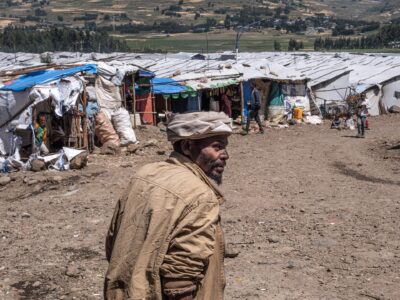
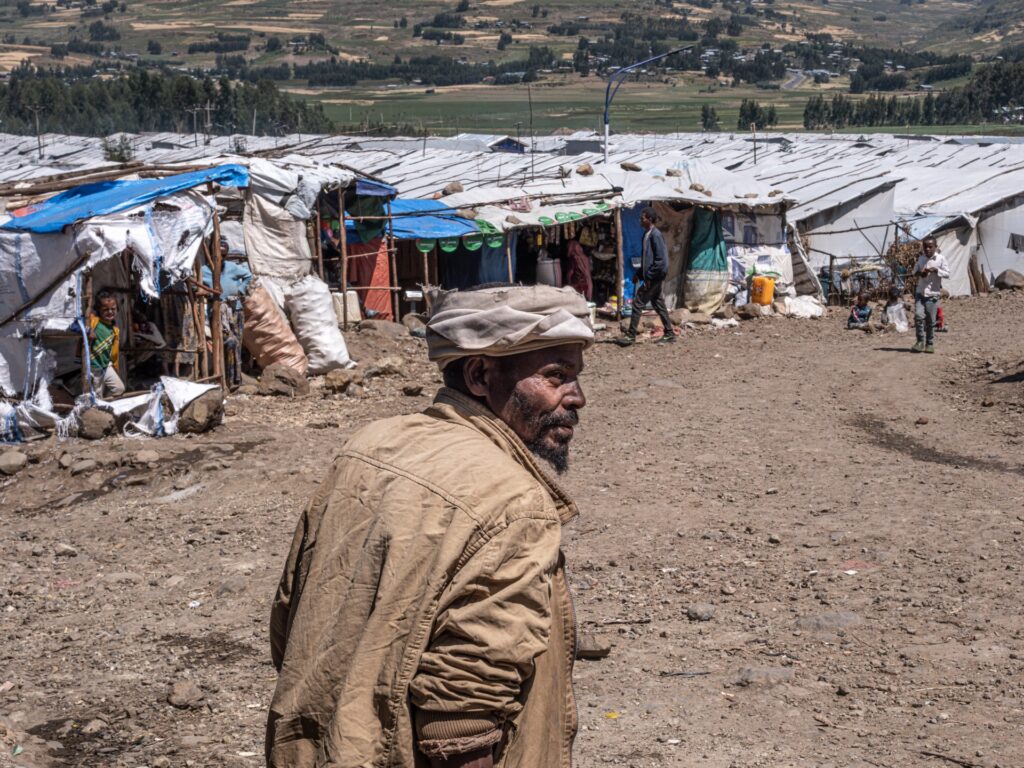
As fighting intensified, civilians caught in the crossfire were forced to flee their homes to avoid the violence. Hundreds have crossed the porous border into northeastern Kenya, seeking safety in refugee camps and local communities. Kenyan authorities have reported an influx of Ethiopians arriving daily, creating pressure on local resources and humanitarian organizations.
The United Nations and various humanitarian agencies have expressed concern over the situation, urging all parties involved to halt hostilities and engage in peaceful dialogue. Aid organizations are mobilizing to provide emergency assistance, including food, shelter, and medical care to the displaced population.
The Ethiopian government has condemned the violence and pledged to restore peace in the region. Officials have called for calm and initiated investigations into the causes of the flag-related dispute. Regional leaders emphasize the importance of unity and cooperation to prevent further escalation.
Analysts highlight that the conflict reflects underlying ethnic and political complexities within Ethiopia’s federal structure, particularly in areas where regional identities and state symbols play a significant role in local governance and social cohesion.
Cross-border tensions between Ethiopia and Kenya, although historically manageable, may be strained further due to the refugee influx and potential security concerns. Both governments are expected to coordinate closely to ensure regional stability and address humanitarian needs.
The current humanitarian crisis underscores the need for a sustained and inclusive approach to conflict resolution in Ethiopia’s Somali Region. The international community is called upon to support peacebuilding efforts, promote dialogue among conflicting parties, and assist affected populations.
As the situation evolves, the hope remains that diplomatic initiatives and peace negotiations will quickly resolve the dispute, allowing displaced Ethiopians to return home safely and heralding a return to stability in the volatile border region.