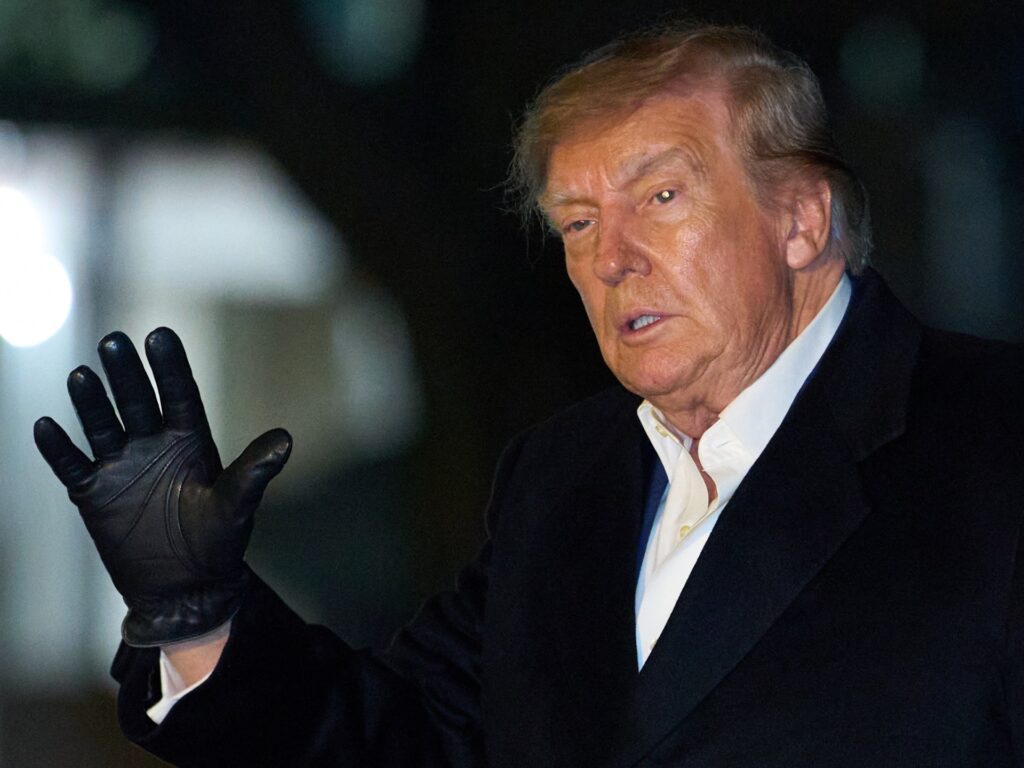
In a recent development amid escalating tensions between the United States and Iran, US President Donald Trump has publicly denied ongoing negotiations with Iran. Addressing the media, President Trump dismissed reports suggesting that the US was engaging in direct talks with Iranian officials. Despite the denial, he expressed optimism that the current situation would resolve “fairly soon.”
The statement comes at a critical time when international observers and analysts are closely watching the unfolding dynamics in the Middle East. Tensions have been high following a series of confrontations and incidents attributed to heightened hostility between the two nations.
President Trump’s denial contradicts earlier reports from various sources suggesting back-channel communications or potential diplomatic engagement efforts. However, the White House spokesperson reiterated that no formal talks are in progress.
The US administration has maintained a firm stance regarding Iran’s nuclear program and regional activities, emphasizing the importance of pressure through sanctions and strategic measures rather than direct dialogue at this stage.
International allies have urged calm and have called for diplomatic solutions to avoid military escalation, highlighting the risks tied to conflict escalation in the region.
Experts believe that while direct talks have not commenced, informal and indirect communication channels might still be utilized to manage tensions and prevent unintended incidents.
President Trump’s confidence in a timely resolution reflects his administration’s narrative of strength and control over foreign policy challenges. He reiterated that the US remains vigilant and prepared to respond to any threats but hopes for a peaceful outcome.
This development comes amid ongoing efforts by global powers to mediate and find pathways to de-escalate the tensions. The international community continues to stress the importance of dialogue to avert further conflict and ensure regional stability.
Analysts warn that while optimism about resolving the situation “fairly soon” is encouraging, the path ahead remains complicated with numerous geopolitical factors and interests involved.
In summary, while President Trump firmly denies current negotiations with Iran, his statement underscores a hope for a swift resolution amid a precarious geopolitical landscape. The coming days will be crucial in determining how the situation evolves and whether diplomatic or other measures will take precedence to restore peace and stability in the region.