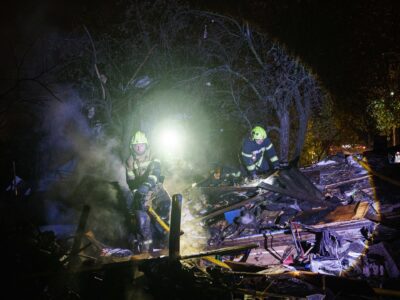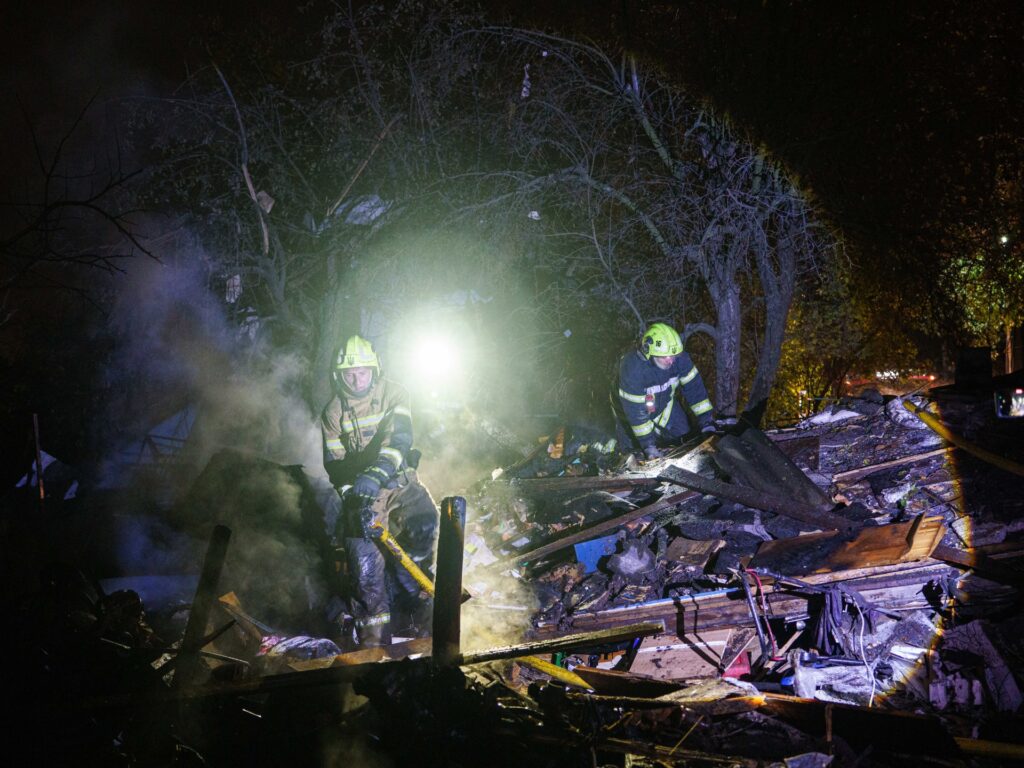
Following a high-profile meeting between American businessman Witkoff and Russian President Vladimir Putin, Russian forces launched a series of strikes on Kyiv, Ukraine’s capital, resulting in casualties and escalating tensions once again. The attacks killed one person and injured 22 others, underscoring the persistent instability in the region.
Ukraine quickly responded to the attacks, dismissing any notion of appeasement with Russia. Ukrainian officials stated firmly that offering concessions would not bring an end to the conflict, emphasizing their commitment to resisting further aggression.
The meeting between Witkoff and Putin had raised hopes of a potential dialogue or groundwork for de-escalation, but the subsequent bombardment suggested otherwise, reflecting the volatile nature of the conflict.
Since Russia’s invasion of Ukraine, Kyiv and other major cities have frequently been targeted by missile and drone strikes, causing civilian casualties and widespread damage.
Ukraine’s assertion that appeasement will not end the war contrasts with some international calls for negotiation and diplomacy, highlighting divergent perspectives on how to restore peace.
The strikes on Kyiv have also raised concerns among the international community about the humanitarian impact and the resilience of Ukraine amid ongoing hostilities.
Experts note that the timing of the attack immediately after Witkoff’s meeting with Putin may be intended as a signal of Russia’s resolve and unwillingness to soften its stance despite external diplomatic engagements.
The Ukrainian government continues to seek support from Western allies in terms of military aid, economic sanctions against Russia, and diplomatic efforts to maintain pressure on Moscow.
Despite the ongoing violence, Ukraine remains steadfast in its defense and refusal to capitulate, underscoring the broader struggle for sovereignty and territorial integrity.
The international community watches closely as tensions persist, hoping for a resolution that ends the bloodshed while recognizing the complex geopolitical stakes involved in the conflict.
As the situation evolves, humanitarian organizations remain vigilant in providing assistance to those affected by the strikes and ongoing war, addressing urgent needs amid an uncertain future.
The recent attacks on Kyiv serve as a stark reminder of the conflict’s brutal reality, the human cost of war, and the challenges faced in seeking a peaceful resolution.
Ukraine’s leadership has reiterated its call for stronger international action and solidarity to counter Russian aggression and protect its people.
In this climate of heightened conflict and diplomatic complexity, the pathway to peace remains fraught, requiring concerted efforts from all stakeholders involved.
The events surrounding Witkoff’s meeting with Putin and the following attacks highlight the fragile and tense state of affairs in Eastern Europe, with potential ramifications for global security and stability.