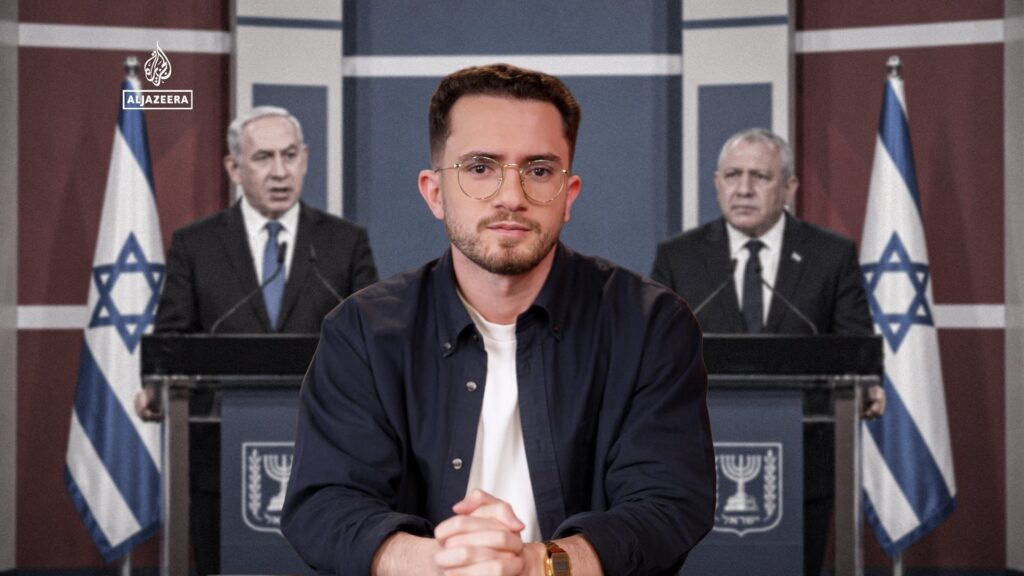
As Israel approaches its latest elections, the political landscape continues to be dominated by right-wing ideologies, with Benjamin Netanyahu’s main opponents also positioning themselves on the right spectrum. This reality raises a compelling question about the true nature of the political debate in the country: Is it genuinely any different from the past? Or are voters, in essence, choosing between variations of right-wing policies?
Benjamin Netanyahu, who has been a central figure in Israeli politics for over a decade, represents the Likud party, firmly rooted in right-wing ideology. His governance has emphasized security concerns, skepticism towards a two-state solution, and a focus on maintaining Israel’s strategic and territorial interests. His opponents, while promising change and a new direction, often come from parties that share many of these fundamental stances, differing mainly in style or degree rather than substance.
This perceived lack of diversity in political choices stems from Israel’s complex security situation and societal divisions, which have historically pushed the political center towards right-wing policies. Issues such as the Palestinian conflict, national security, economic challenges, and religious influence on state matters dominate the agenda, limiting the scope for left-wing or centrist alternatives to gain significant traction.
The main opposition leader often criticizes Netanyahu’s handling of corruption and governance, calling for improved transparency and accountability. However, when it comes to core policy areas like settlement expansion, relations with Palestinian territories, and foreign diplomacy, the distinctions blur. Netanyahu’s rivals often advocate for pragmatic approaches within the same ideological framework rather than radical shifts.
This convergence on right-wing principles leads to voter fatigue as alternatives seem superficial, leading many to question the effectiveness of electoral participation. Furthermore, some analysts note that internal competition within the right-wing spectrum can deepen divisions and exacerbate political fragmentation, sometimes leading to unstable coalition governments.
Critics argue that this dynamic stifles meaningful debate on some of the country’s most pressing issues, like Palestinian statehood, social inequality, and reforms in the judicial system. Progressives and left-wing parties struggle to break the dominance due to reduced public confidence and lack of coherent platforms that appeal to a broad electorate.
Despite these challenges, the election battle is far from a mere repetition of previous cycles. Some new parties and movements aim to capture the center or represent marginalized voices, pushing issues like environmental policy, economic reforms, and human rights higher up the agenda. These efforts, while still limited in scope, indicate a cautious desire for diversification in political representation.
In conclusion, though Netanyahu’s opponents promise change and renewal in Israeli politics, the overarching ideological space remains predominantly right-wing. The election thus appears less about a clash between opposing political worlds and more about contestation within a single broad political tradition. For voters hoping for substantial policy shifts, this reality underscores the complexities of Israel’s political system and the ongoing struggle to achieve genuine pluralism and representation for diverse viewpoints.