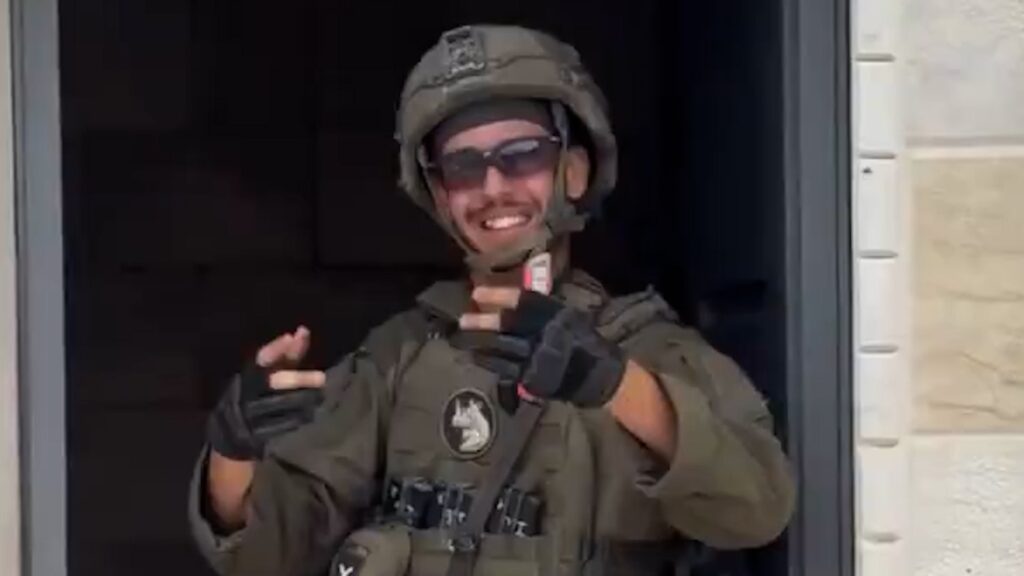
In a recent and controversial event in Southern Lebanon, Israeli soldiers were filmed mockingly giving a tour of a Lebanese family’s home, which they had rigged with explosives. This incident has sparked outrage and condemnation both locally and internationally due to the insensitive and provocative behavior displayed by the soldiers.
The home in question belonged to a Lebanese family that had been displaced due to ongoing conflicts in the region. The soldiers were seen treating the situation with levity, joking about the dangers and potential destruction caused by the explosives they had strategically placed inside the residence. Videos of the soldiers’ behavior circulated widely on social media, leading to widespread criticism.
The use of explosives in civilian homes is a highly contentious issue, as it endangers innocent lives and violates international humanitarian laws designed to protect non-combatants during armed conflicts. The mockery by soldiers in such a grave context has further intensified debates around military conduct and respect for human dignity in conflict zones.
Lebanese officials and human rights organizations have condemned the actions of the Israeli soldiers, calling for investigations and accountability. They emphasize that rigging homes with explosives not only endangers civilians but also constitutes a form of psychological warfare that exacerbates the suffering of displaced families.
This incident comes amid ongoing tensions between Israel and Lebanon, where cross-border disputes and security concerns have frequently escalated into violence. The region remains a hotspot for confrontations involving various military factions, each with their own claims and grievances.
Analysts suggest that such incidents could undermine efforts towards peace and stability in the area, as they contribute to escalating hostility and mistrust between communities. The mockery by soldiers is seen as a reflection of the entrenched animosities that hinder dialogue and reconciliation.
International observers have called on both sides to exercise restraint and to respect the rights and dignity of civilians caught in the conflict. The focus remains on finding lasting solutions that prioritize peace and the protection of human rights.
Meanwhile, displaced families affected by the violence continue to face immense hardships, struggling to rebuild their lives amidst ongoing instability. The psychological impact of having their homes rigged with explosives and then mocked has added another layer of trauma to their already difficult circumstances.
As criticism mounts, there are growing calls within the international community for stronger measures to prevent such acts and to hold accountable those responsible for violations of humanitarian norms. The incident serves as a stark reminder of the urgent need to address the human cost of conflict and to uphold principles of humanity even in times of war.
In summary, the mocking of a Lebanese home rigged with explosives by Israeli soldiers in Southern Lebanon has drawn significant condemnation and highlighted serious concerns about military conduct, civilian protection, and the broader impact of ongoing conflict in the region. Efforts toward justice, accountability, and peace remain critical to prevent further suffering and to promote stability in this volatile area.