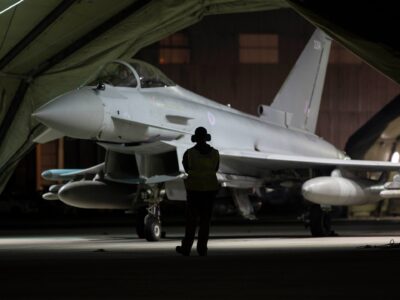
A deadly drone attack struck a bustling market in the disputed border region between Sudan and South Sudan, claiming the lives of at least 153 people. South Sudanese authorities have attributed the attack to Sudan’s army, which reportedly launched the drone strike amidst ongoing tensions in the contested area.
The strike targeted a crowded marketplace, a hub where civilians routinely gather, leading to devastating civilian casualties. The scale of the attack has drawn widespread condemnation from international observers, highlighting the continuing volatility in the region.
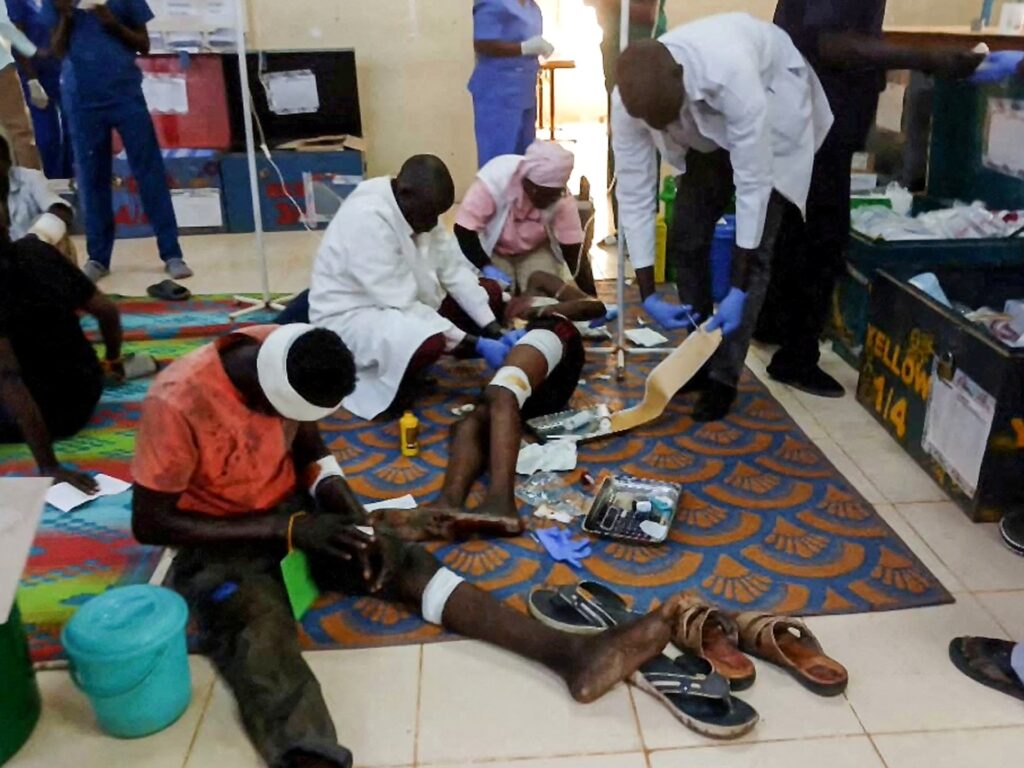
Medical humanitarian organization Médecins Sans Frontières (MSF) has been actively involved in the urgent response to the crisis. MSF reports that it is currently treating 20 individuals wounded in the drone attack. The injured include men, women, and children, many suffering from severe trauma and injuries caused by the explosion.
This violent incident is part of a larger context of long-standing territorial disputes between the two nations. Following years of conflict and fluctuating peace agreements, the area remains a flashpoint for military clashes and instability.
The drone attack exacerbates the humanitarian crisis affecting the border communities, with thousands displaced and vulnerable populations facing shortages of food, medical supplies, and shelter.
South Sudanese officials have demanded an immediate cessation of hostilities and called on the international community to intervene to prevent further escalation. Efforts to mediate peace talks have been ongoing but have yet to yield substantial progress.
The use of drones in conflict zones signifies an escalation in the warfare tactics employed by the Sudanese military. Such technology allows for precision strikes yet increases the risk of civilian casualties, especially in densely populated areas.
The humanitarian response is being complicated by the challenging terrain and insecurity, hindering aid delivery and medical evacuation.
Human rights organizations are calling for an independent investigation into the drone strike to establish accountability and prevent further violations of international law.
The attack has sparked outrage among local populations, raising fears of renewed large-scale conflict that could destabilize the wider East African region.
In the immediate aftermath, emergency services and local volunteers struggled to manage the overwhelming number of casualties, with many victims rushed to hospitals lacking adequate resources.
The international community, including the United Nations and African Union, has condemned the attack and urged all parties to commit to a peaceful resolution.
Aid agencies warn that without immediate intervention, the humanitarian situation could deteriorate further, potentially leading to famine and widespread disease outbreaks.
As the region reels from the impact, diplomatic efforts are critical to addressing the root causes of the conflict and ensuring lasting peace.
This tragic event underscores the urgent need for comprehensive peacebuilding measures and increased support for vulnerable communities caught in the crossfire of disputed sovereignty.
The border area remains one of the most volatile in Africa, with a complex mix of ethnic tensions, resource disputes, and political rivalries fueling ongoing instability.
The drone attack marks a grim milestone in the conflict, illustrating how new technologies are reshaping warfare and heightening the human cost in modern conflicts.
Both Sudan and South Sudan face increasing pressure to engage constructively in dialogue and avoid further violence that could lead to wider regional instability.
Communities on both sides of the border are calling for peace and the protection of civilians, seeking an end to the cycle of violence that has plagued the region for decades.
As recovery efforts begin, the focus remains on providing immediate medical care, psychosocial support to survivors, and rebuilding trust among affected populations.
The international response will be pivotal in supporting peace initiatives and ensuring respect for humanitarian principles in conflict-affected areas.
The drone attack serves as a stark reminder of the fragility of peace in conflict zones and the devastating consequences of military escalations.
Sustained attention and concerted efforts are necessary to break the cycle of violence and create conditions conducive to long-term peace and development in the Sudan-South Sudan border region.