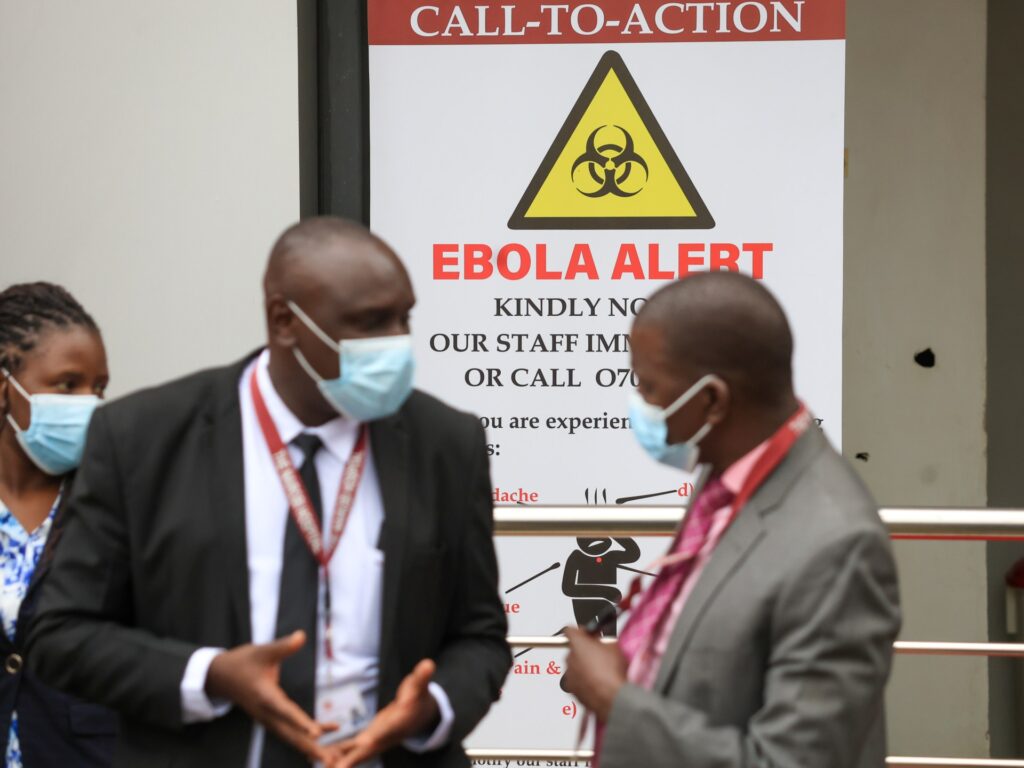
Nigeria has confirmed its first case of Ebola, raising alarms about the potential spread of the deadly virus across the African continent. This development has intensified efforts by health authorities to contain the outbreak and prevent a widespread epidemic.
The Nigerian case was identified following reports from the Kenya Health Ministry, which announced that a woman who recently arrived on a flight from Uganda tested positive for the virus. Uganda has been grappling with an Ebola outbreak, and the detection of cases in neighboring countries underscores the urgency for coordinated regional responses.
Ebola, a highly contagious and often fatal disease, poses a significant public health challenge due to its rapid transmission and severe symptoms, including hemorrhagic fever. The virus is primarily spread through direct contact with the bodily fluids of infected individuals or contaminated surfaces.
Authorities in Nigeria have launched immediate containment measures, including intensive contact tracing, quarantine protocols, and public awareness campaigns aimed at educating citizens about the risks and prevention strategies. Hospitals and clinics are on high alert, equipped with isolation units and trained medical personnel prepared to handle potential new cases.
Similarly, Kenya’s health officials are closely monitoring all travelers from affected regions, with enhanced screening procedures at airports and other points of entry. The Kenyan government has promised to escalate its surveillance and preparedness activities to prevent further transmission.
The World Health Organization (WHO) has urged African nations to collaborate and strengthen cross-border health security to manage the outbreak effectively. The organization is providing technical support, medical supplies, and training to affected countries.
The emergence of Ebola cases beyond Uganda—now in Kenya and Nigeria—signals a critical phase in the outbreak. It highlights the porous nature of borders and the importance of regional cooperation in addressing infectious diseases.
Experts emphasize the need for sustained funding and resources to support rapid response teams, laboratory diagnostics, and community engagement initiatives. Public trust and participation are deemed vital components in curbing the spread of Ebola.
The confirmation of Ebola in Nigeria, Africa’s most populous country, raises concerns about the potential impact on healthcare systems, economies, and social stability. Lessons learned from previous outbreaks, including the devastating 2014–2016 West African epidemic, inform current strategies to avoid a repeat scenario.
In response to these developments, international health partners are mobilizing assistance to reinforce the affected countries’ abilities to mitigate risks and manage cases effectively. Ongoing research into vaccines and treatments continues to be a critical part of the global response.
As surveillance intensifies across the continent, citizens are urged to remain vigilant, adhere to public health guidelines, and report any suspected cases to authorities promptly. The situation remains fluid, and coordinated action will be essential to prevent further spread and safeguard public health across Africa.