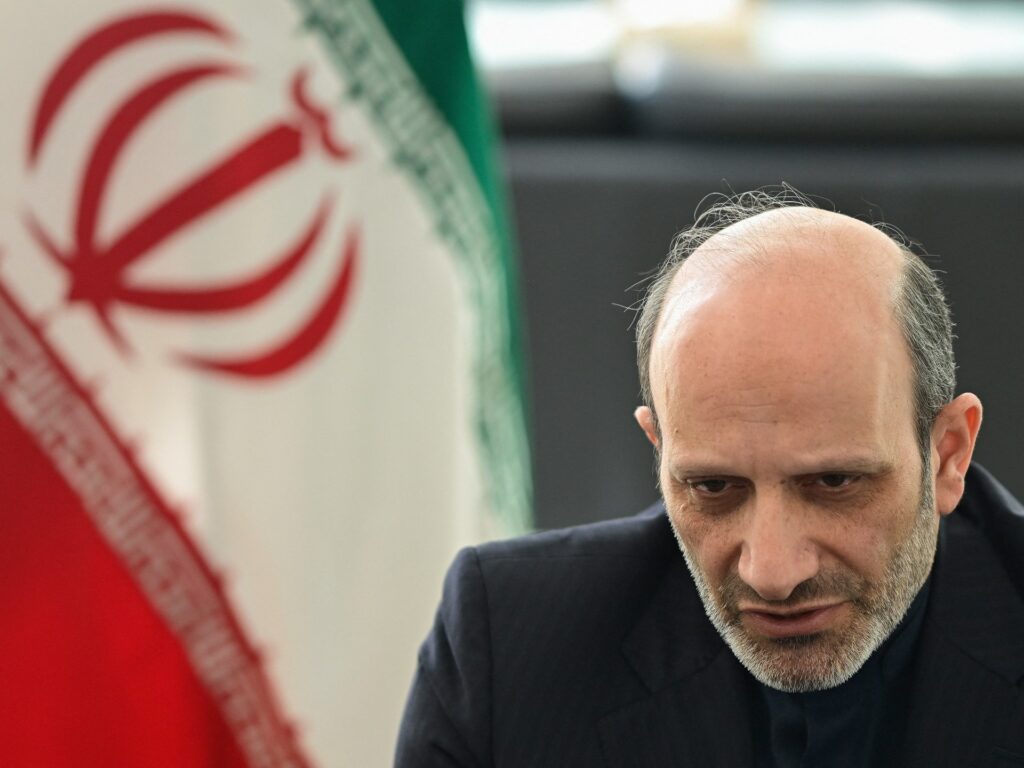
In a recent and tense diplomatic development, Tehran has officially rejected any allegation of being involved in a plot to assassinate leaders of German Jewish groups. This declaration came shortly after two men were convicted for attempting to kill prominent Jewish community leaders in Germany.
The German government, deeply concerned by the assassination attempt, has been investigating the case vigorously. The incident has caused alarm and heightened security concerns within Jewish communities across Germany. Leaders of various Jewish organizations expressed relief at the perpetrators’ conviction but have also called for further measures to ensure safety and prevent future attacks.
Following the conviction, the Iranian government took a firm stance by publicly denying any connection to the plot. Tehran’s officials stated categorically that the accusations are baseless and politically motivated. To underline their position, Iran summoned the German envoy to Tehran, signaling strong diplomatic disapproval and seeking clarification over Germany’s handling and public statements on the issue.
This move by Tehran adds to the already complex relationship between Iran and Germany, particularly in matters involving Jewish communities and Iran’s controversial history concerning its stance on Israel and Jewish affairs globally. The Iranian Foreign Ministry emphasized that it condemns any form of terrorism or violence, reiterating its commitment to peaceful international relations.
Experts on Middle Eastern and European diplomatic relations observe that Tehran’s denial and summoning of the German envoy may be part of a broader diplomatic strategy to counter negative perceptions arising from the assassination plot. They note that Iran and Germany maintain multifaceted ties, including economic and cultural exchanges, despite the political frictions.
German authorities have indicated their intention to continue robust investigations into the incident to uncover any potential links or networks behind the plot. They have assured the public and Jewish communities that ensuring protection and justice remains a priority. Jewish leaders in Germany and international observers have welcomed this approach while calling for increased vigilance and international cooperation.
The attempted assassination plot has also sparked discussions within Germany about the growing threats faced by minority communities, including antisemitism and politically motivated violence. The government is under pressure to enhance security measures and strengthen community relations to prevent such threats from escalating.
As this story develops, the international community is watching closely to see how diplomatic dialogue between Germany and Iran will evolve. The incident underscores the fragile nature of global security and the complexities of international relations when it comes to terrorism and minority protections.
In summary, Tehran’s rejection of any role in the assassination plot, coupled with its recall of a diplomatic envoy, highlights a serious geopolitical dispute unfolding amid concerns about the safety of Jewish leaders in Germany. The German government’s ongoing investigations represent a critical effort to uphold justice and security within its borders, amid an increasingly tense and sensitive international atmosphere.