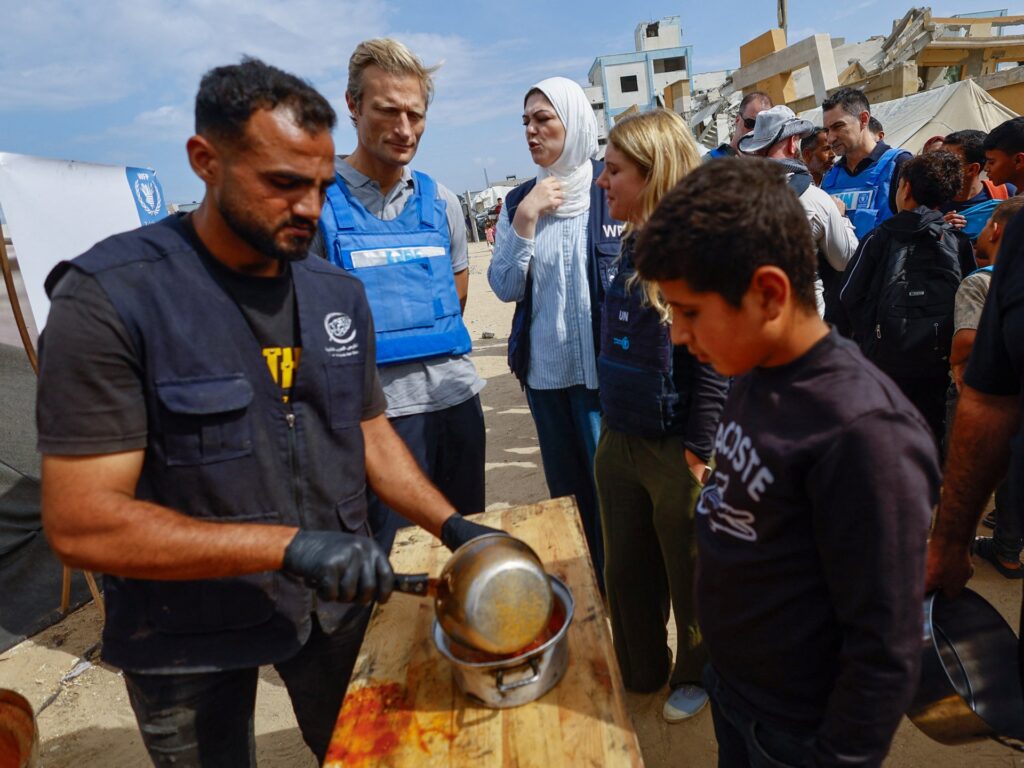
The World Food Programme (WFP), the United Nations agency tasked with addressing global hunger, has announced a significant reduction in aid to approximately 500,000 Palestinians living in Gaza. This cut comes as a result of severe funding shortages that threaten to reverse the agency’s “modest and fragile” progress on food security within the region.
Gaza, a densely populated area home to nearly two million Palestinians, has long been grappling with humanitarian challenges. Access to food and essential resources has been a persistent issue due to ongoing political instability, economic barriers, and restrictions on movement.
The WFP has been instrumental in providing food assistance to vulnerable populations in Gaza, helping millions to meet their daily nutritional needs. However, the current financial constraints have forced the agency to scale back its operations considerably.
This reduction affects half a million people who rely on WFP assistance for survival, including children, the elderly, and individuals with chronic illnesses. Analysts warn that such cuts could lead to increased malnutrition rates and heightened food insecurity in an already fragile situation.
The funding shortfall is attributed to a global squeeze on humanitarian aid budgets, compounded by a rising demand for food assistance in multiple conflict-affected areas worldwide. Donor countries and organizations have been urged to increase contributions to prevent further deterioration of food security in Gaza.
WFP officials have emphasized that the progress made over recent years—though fragile—had brought some relief to the Palestinian population in Gaza. Without sufficient funding, these gains risk being undone, potentially leading to a humanitarian crisis of greater magnitude.
The United Nations continues to call on the international community to redouble efforts in supporting Gaza’s population, stressing that sustained aid is critical to stability and peace prospects in the region.
In addition to food aid, the WFP also engages in projects aimed at bolstering local agriculture and food supply chains, efforts that are now equally imperiled by the funding crunch.
The situation highlights the broader challenges facing humanitarian organizations operating in high-need areas amid dwindling financial resources and increasing global crises.
The coming months will be crucial in determining the extent to which the WFP and other agencies can maintain their support for Gaza’s population. International responses and funding pledges will play a decisive role in shaping the humanitarian landscape.
Efforts to mobilize additional resources are underway, with appeals to governments, the private sector, and philanthropic organizations to bridge the funding gap.
Without substantial increases in aid, the food security outlook for Gaza remains bleak, threatening the health and well-being of hundreds of thousands of Palestinians already living under extremely challenging conditions.
This development underscores the critical importance of sustained international cooperation and commitment to humanitarian assistance in conflict zones worldwide.