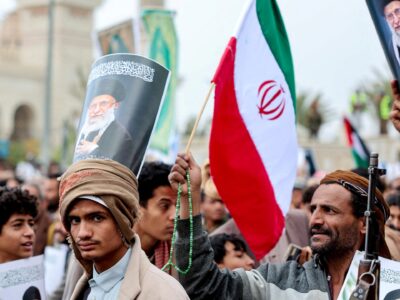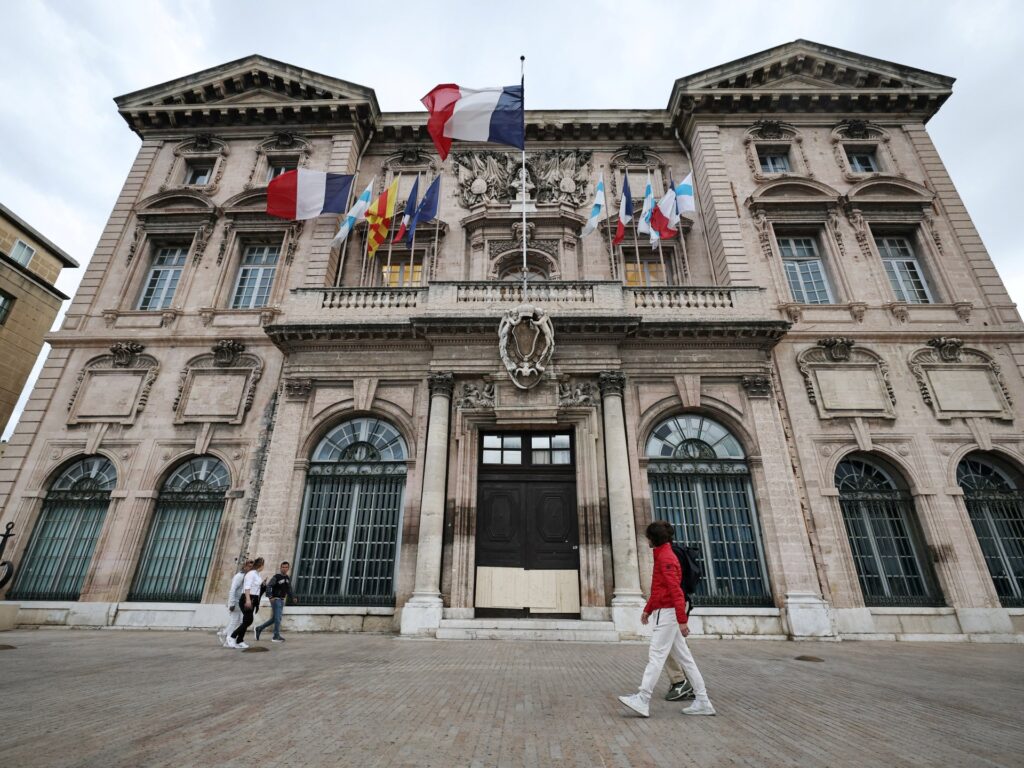
France is currently experiencing widespread protests marked by public unrest and clashes between demonstrators and authorities. In response to escalating tensions, French Prime Minister Sebastien Lecornu has announced plans to implement “partial” and “localized” curfews in certain cities to help restore order and ensure public safety.
The government’s decision comes after several days of disturbances in urban areas where protests have sometimes turned violent. The unrest has been fueled by various grievances including economic concerns, social inequalities, and specific policies that have sparked public outcry.
PM Lecornu stated that he has requested regional authorities to impose curfews tailored to the needs and situations of individual cities rather than a nationwide mandate. This approach is intended to minimize disruption while effectively addressing areas where unrest is most severe.
Curfews typically restrict movement during specified evening and nighttime hours, limiting public gatherings and reducing the risk of violence or property damage. The anticipated curfews will vary in scope and duration depending on the local context, focusing on hotspots where protests have led to significant disturbances.
Local government officials and law enforcement agencies are coordinating with the national government to monitor developments and implement these measures swiftly. The goal is to balance maintaining public order with respecting citizens’ rights to peaceful protest.
Historically, France has seen waves of social unrest related to a variety of causes, and curfews have occasionally been used as a tool to manage volatile situations. PM Lecornu emphasized the importance of dialogue and engagement alongside security measures to address the root causes of the protests.
Public reaction to the proposed curfews has been mixed. Some community members recognize the need for such measures to protect public safety, while others express concern about potential restrictions on civil liberties and the right to demonstrate.
The government has also called for calm and urged protesters to exercise restraint. Law enforcement authorities have been deployed in affected areas to maintain order and prevent escalation.
As the situation evolves, further updates are expected concerning the cities affected by curfews and the specific rules they will follow. Officials have urged residents to stay informed and comply with regulations to ensure safety.
This development reflects the challenges governments face in managing social unrest while safeguarding democratic rights. The balance between security and freedom remains a critical theme in France’s response to the current protests.
Overall, the call for localized curfews by PM Sebastien Lecornu signals a strategic move to contain unrest efficiently without resorting to sweeping national restrictions. The coming days will be crucial in determining the effectiveness of this policy approach and its impact on both public order and civil liberties in France.