The war in Yemen has reignited with increased intensity as new reports emerge regarding Iran’s support for the Houthis, a group engaged in conflict within the region. These developments coincide with a surge in attacks targeting cities within Saudi Arabia, raising significant regional security concerns.
The Houthis, known formally as Ansar Allah, have been at the center of Yemen’s prolonged civil conflict since 2014. Their longstanding battle against the internationally recognized Yemeni government, backed by a Saudi-led coalition, has caused severe humanitarian and political instability across Yemen and its neighboring areas.
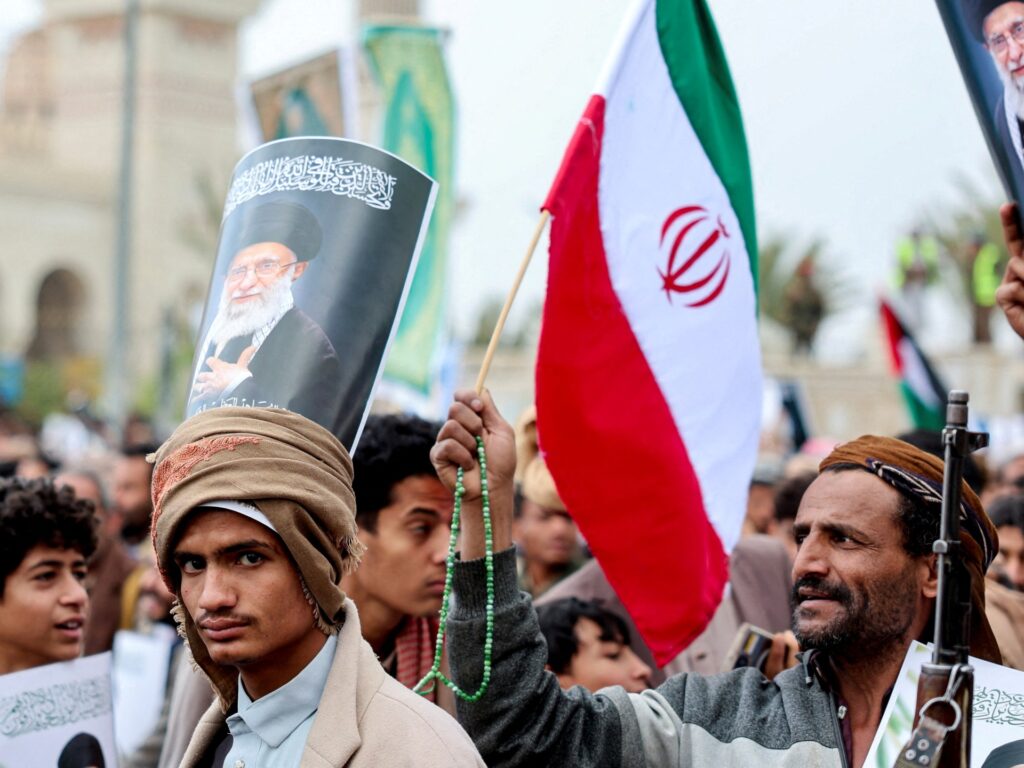
Recent intelligence and investigative reports indicate a renewed flow of support from Iran to the Houthis. This support allegedly includes military aid and strategic assistance, aimed at bolstering the group’s capabilities against opposing forces.
The renewed conflict phase saw the Houthis launching multiple attacks on key Saudi urban centers. These strikes have ranged from missile launches and drone assaults to other forms of asymmetric warfare, directly impacting civilian populations and critical infrastructure.
Saudi Arabia, an active participant in the Yemen conflict, views Houthi aggression as a direct threat to its national security. The Kingdom has responded with increased military operations targeting Houthi strongholds within Yemen, seeking to curtail their offensive capabilities and restore stability.
Iran has repeatedly denied direct involvement in the Yemeni conflict, characterizing its role as purely humanitarian. However, the investigations underscore the complex geopolitical dynamics at play, involving proxy engagement between Iran and Saudi Arabia.
The international community has expressed growing concern over the escalating violence and its wider implications for Middle Eastern stability. Humanitarian organizations highlight the urgent need for ceasefire agreements and a peaceful resolution to alleviate the enduring suffering of Yemen’s civilian population.
Efforts by global powers and regional stakeholders continue to push for diplomatic dialogue. However, persistent mistrust and competing interests among the involved parties have complicated peace negotiations.
Experts warn that the continuation of Iranian support, coupled with ongoing Houthi offensives, risks prolonging the conflict and further destabilizing the Gulf region. They emphasize the importance of monitoring arms flows and reinforcing diplomatic channels to manage the crisis.
In summary, the recent surge in Yemeni conflict violence, intensified by alleged Iranian backing of the Houthis and escalating attacks on Saudi cities, has heightened regional tensions. This development demands concerted international attention to mitigate risks and foster a lasting peace in Yemen and beyond.