In the wake of several days marked by violent protests across France, President Emmanuel Macron has publicly acknowledged failures in his government’s handling of the unrest. Addressing the nation, Macron admitted there were ‘failures in anticipation and intelligence’ regarding the escalation of demonstrations and violence. The protests, which began as peaceful expressions of societal discontent, rapidly turned into widespread riots in multiple cities, causing disruption and damage.
Despite mounting pressure from opposition parties and the public, Macron firmly ruled out the resignation of the Interior Minister, who has faced sharp criticism over the police response and management of the crisis. The President’s defense of his cabinet member underscores his commitment to maintaining stability within the government while navigating this volatile situation.
The latest wave of protests was triggered by a combination of socio-economic grievances and recent government policies perceived as unfair by large segments of the population. Young people, trade unions, and various activist groups united to express their frustration, leading to mass demonstrations, some of which escalated into violence and clashes with law enforcement officers.
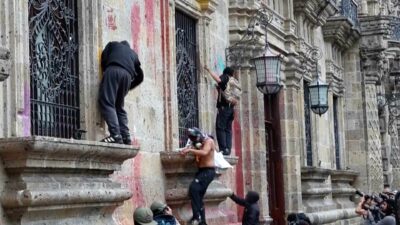
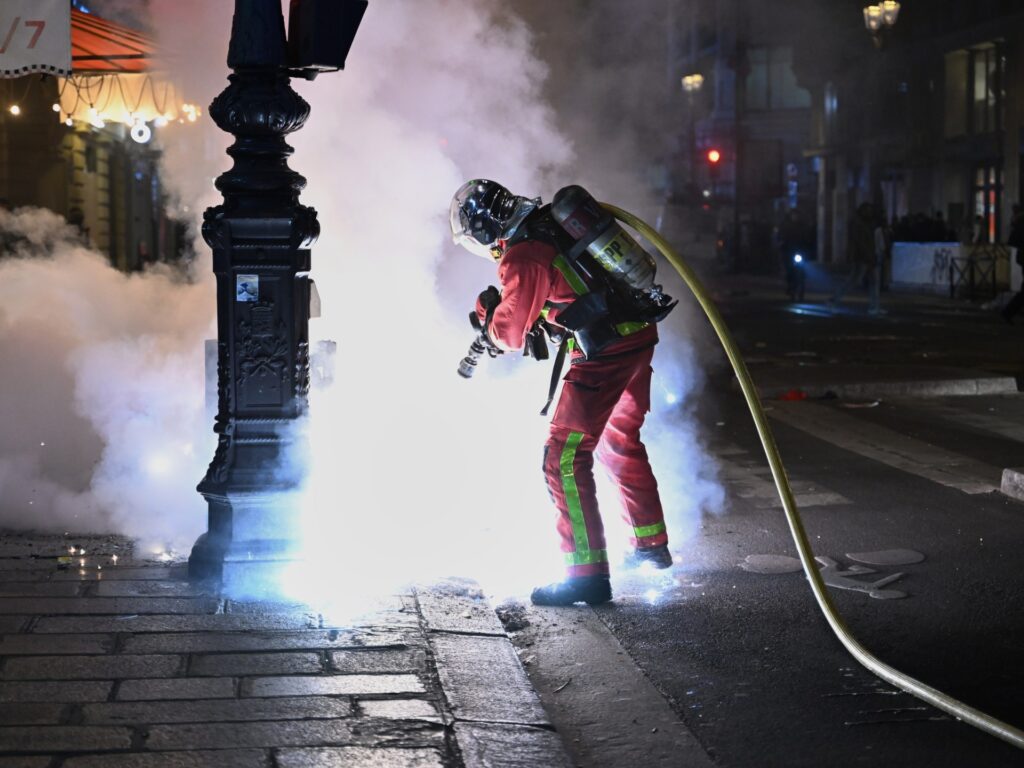
Scenes from the streets reveal burning vehicles, vandalized public property, and confrontations that have resulted in numerous injuries and arrests. Authorities have deployed additional police forces to restore order and are conducting investigations into the most violent incidents. Public transport disruptions and closures of schools and businesses have added to the challenges faced by residents in affected areas.
President Macron’s acknowledgment of the government’s shortcomings is seen by some analysts as a rare display of political accountability, while others view it as an attempt to quell public anger without implementing immediate policy changes. The broader political context includes upcoming elections, which may be influenced by the government’s handling of the protests and its response to public demands.
Opinion polls indicate a divided public reaction, with some citizens supporting the protesters’ calls for reforms and others criticizing the violence and disruptions caused. Meanwhile, international observers have expressed concern over the intensity of the unrest and the implications for France’s social cohesion.
In response to the crisis, the government has promised to engage in dialogue with community leaders and representatives of protest movements in an effort to address underlying issues. Initiatives aimed at economic relief, job creation, and social inclusion are also being considered to prevent future outbreaks of violence.
As the situation continues to evolve, the coming days will be crucial in determining whether France can achieve a peaceful resolution and restore calm to its streets. Authorities emphasize the importance of public safety and the rule of law, while also recognizing the need to address citizens’ legitimate grievances through constructive engagement and reform.
The French public remains watchful, hoping that the government’s next steps will lead to reconciliation and a path forward that balances security with social justice and economic opportunity.