In recent violent incidents in the West Bank, a child and four women have been reported injured amidst escalating tensions and attacks on Palestinian communities. These assaults come in the wake of a religious edict issued by a prominent far-right rabbi that legally permits the seizure of Palestinian olive groves, intensifying an already volatile situation.
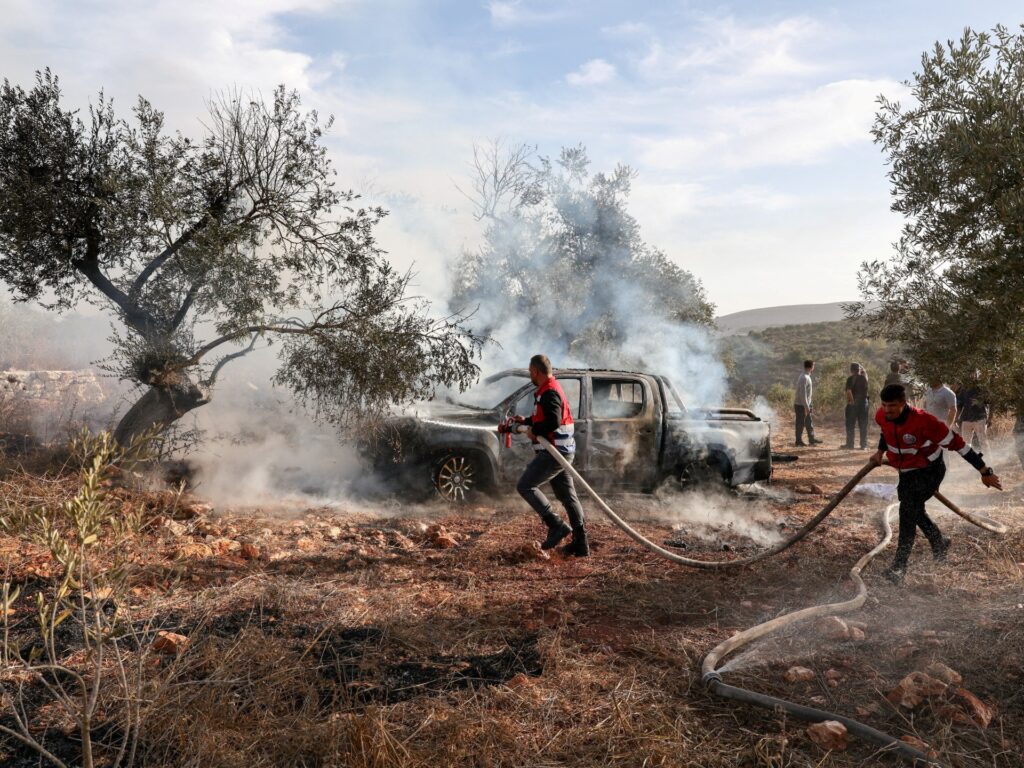
The edict has stirred widespread outrage and alarm within the Palestinian population, as olives and olive trees hold not only economic value but also cultural and historical significance for Palestinian families. The authorization appears to have emboldened extremist elements to carry out raids and pogroms against olive farms, resulting in injuries and property damage.
Eyewitnesses and local Palestinian authorities have documented an increase in aggressive acts targeting these agricultural lands, with reports indicating that women and children have been among those harmed. The injured include a young child whose condition has raised serious concerns among medical professionals and human rights observers.
This development exacerbates the long-standing conflict in the region, where land disputes and settlements have led to frequent confrontations. The religious justification for the seizure of olive groves has intensified fears of systematic displacement and loss of livelihood among Palestinian communities.
Human rights organizations have condemned the attacks, calling for immediate international intervention to prevent further violence and protect vulnerable populations. They emphasize the urgent need for safeguarding the rights of the Palestinian people amid rising hostilities fueled by extremist ideologies and sanctioned actions.
Israeli authorities have been urged to take responsibility for ensuring the security and safety of all civilians, while critics argue that the lack of preventive measures contributes to an environment where such attacks can flourish unchecked.
The international community’s response remains critical as diplomatic efforts seek to address the underlying causes of conflict and promote peaceful coexistence in the West Bank. As tensions continue to mount, the protection of innocent civilians, particularly women and children, remains a pressing humanitarian concern.
The situation highlights the broader challenges faced in resolving disputes over land, religious claims, and political sovereignty in one of the most contentious regions of the world. Continued vigilance, dialogue, and respect for human rights are imperative to prevent further escalation and to support a just and lasting peace.