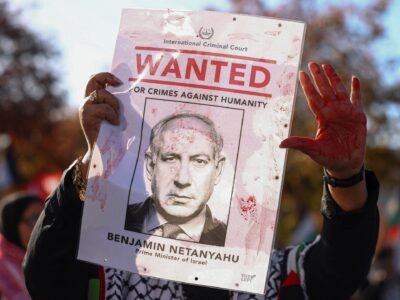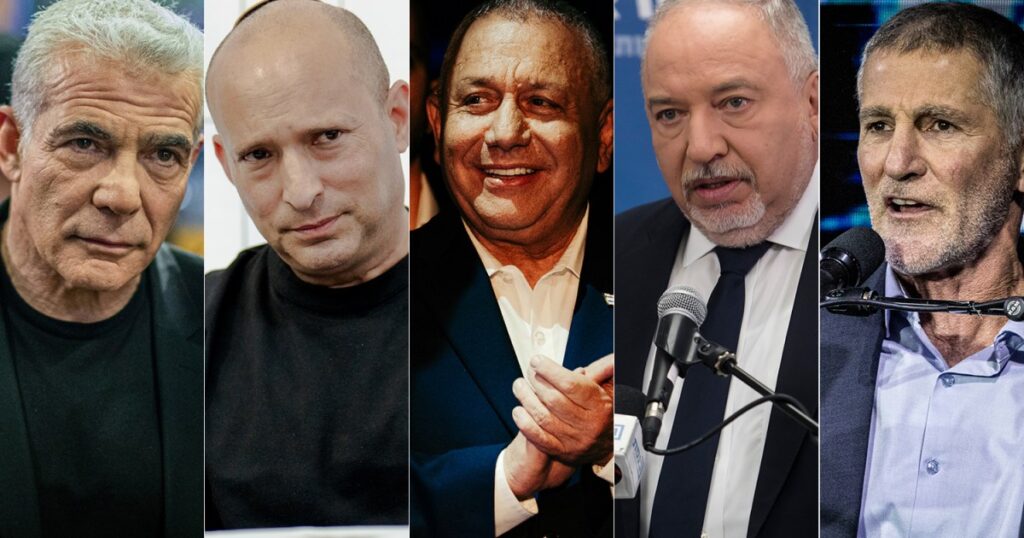
Israeli politics is currently focused on the looming possibility of replacing the long-standing Prime Minister Benjamin Netanyahu. Multiple opposition leaders are positioning themselves as viable alternatives, each leading distinct parties but largely sharing similar perspectives on key issues such as Gaza and other military conflicts.
1. Yair Lapid – Yesh Atid:
Yair Lapid, leader of the centrist Yesh Atid party, has been a prominent figure in opposing Netanyahu’s policies. Lapid emphasizes restoring democratic values and strengthening Israel’s international relations. On the issue of Gaza, he supports a strong defense posture combined with efforts to reduce civilian casualties and advocates for cautious diplomacy to avoid prolonged conflicts.
2. Benny Gantz – National Unity:
A former military chief, Benny Gantz commands respect for his security credentials. Leading the National Unity party, Gantz endorses a robust military stance against threats from Gaza but also champions dialogue where feasible. He prioritizes national security while seeking to avoid unnecessary escalation.
3. Merav Michaeli – Labor Party:
Merav Michaeli, a progressive voice, heads the Labor Party and calls for social reforms alongside security policies. She emphasizes diplomatic solutions to the Gaza conflict, promoting peace initiatives backed by international cooperation, whilst maintaining Israel’s right to self-defense.
4. Mansour Abbas – United Arab List (Ra’am):
Mansour Abbas represents the Arab-Israeli minority and has gained attention for his pragmatic approach. While stressing economic development and civil rights for Arab citizens, Abbas seeks peaceful coexistence and often critiques aggressive policies towards Gaza, advocating more humanitarian considerations.
5. Naftali Bennett (former Prime Minister) – Leadership Influence:
Though not currently heading a major opposition faction, Bennett remains influential. Known for his right-wing stance, he supports strong military measures to counter Gaza militants but also hints at indirect negotiations to ensure long-term security.
Common Positions:
Despite their ideological differences and party affiliations, these leaders converge on several principles:
– A firm commitment to Israel’s security and defense capabilities.
– Recognition of the complexity of Gaza’s conflicts and the humanitarian impacts.
– An inclination towards strategic diplomacy alongside military actions.
– Efforts to restore domestic political stability and foster democratic processes.
Challenges Ahead:
Replacing Netanyahu would require coalition-building among these diverse leaders, each balancing hardline security demands with diplomatic and humanitarian considerations. Their shared experience and contrasting styles reflect the multifaceted nature of Israel’s political and security landscape.
In conclusion, the Israeli opposition comprises leaders rooted in security expertise, diplomatic vision, and social advocacy. Their largely aligned yet nuanced positions on Gaza and military conflicts underscore a commitment to safeguarding Israel while navigating the challenging path towards peace and political transformation.