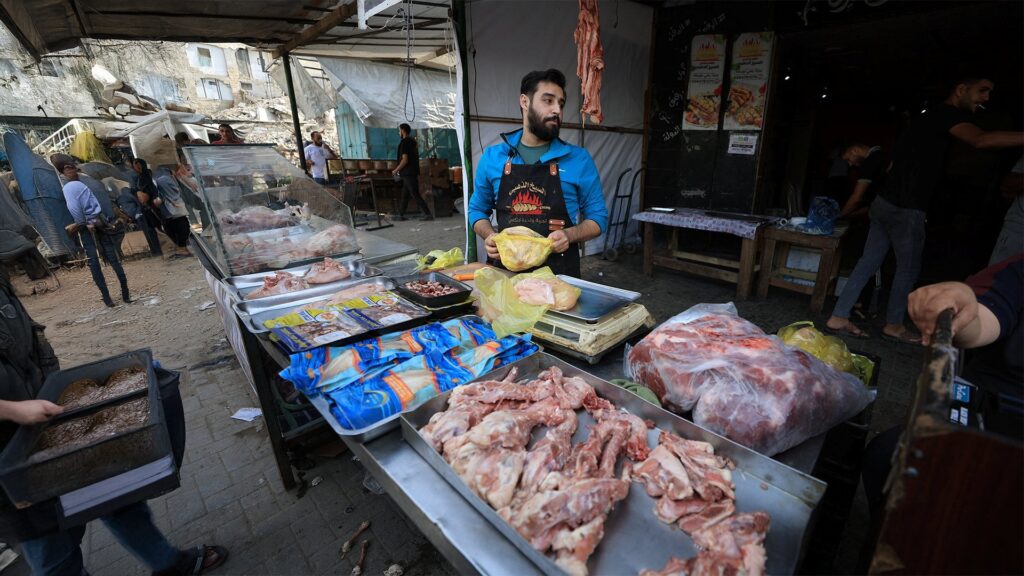
Gaza is currently grappling with growing food affordability fears following Israel’s halt on the entry of commercial goods into the region. For two consecutive days, vital commodities such as fresh fruit, vegetables, meat, and winter clothing have not been allowed to enter Gaza, raising serious concerns among residents and humanitarian organizations.
The restriction on commercial goods has intensified the already challenging economic and humanitarian conditions in Gaza. The region, which heavily depends on imports for its food supply and other essential products, now faces the risk of shortages that could adversely impact the population’s health, nutrition, and general wellbeing.
Fresh fruit and vegetables, critical to a balanced diet, are among the goods that have been blocked. The lack of these perishable but important food items threatens nutritional security, particularly affecting vulnerable groups such as children, the elderly, and those with health conditions.
Moreover, the halt on meat supplies worsens protein scarcity, constraining dietary diversity and increasing dependency on less nutritious food alternatives. The absence of winter clothing as the cold season approaches raises concerns over the population’s ability to adequately protect themselves from harsh weather conditions, particularly in poverty-stricken households.
Local markets in Gaza have reportedly started to reflect rising prices due to restricted supply and high demand. This inflation further burdens families already struggling under economic pressure, with many earning limited incomes and facing unemployment.
Humanitarian agencies operating within Gaza have expressed alarm over the growing crisis. They warn that prolonged interruption in commercial goods inflow will exacerbate food insecurity and potentially lead to malnutrition on a broader scale.
The halt aligns with a broader pattern of movement restrictions imposed by Israeli authorities, which have affected Gaza’s trade and economic activities for years. These measures are often justified by security concerns but come with significant social and humanitarian costs.
Efforts to negotiate the resumption of commercial goods delivery are reportedly underway through various international intermediaries. There is hope that diplomatic initiatives will soon restore the flow of essential goods to Gaza to alleviate the hardship faced by its population.
Meanwhile, residents continue to brace for worsening conditions. The uncertainty surrounding the duration of the commercial goods halt adds to the anxiety, with many fearing prolonged isolation and deprivation.
In summary, the suspension of commercial goods imports into Gaza has immediate and profound implications for food affordability and general living conditions. It underscores the fragile nature of Gaza’s supply systems and the urgent need for durable solutions to ensure the welfare of its inhabitants.