In the weeks leading up to the US midterm elections, Iran has strategically amplified its messaging in English to highlight the economic costs and consequences of war, particularly focusing on issues relevant to the American public. This approach is aimed at influencing public opinion by emphasizing rising gas prices and the broader economic challenges facing the United States.
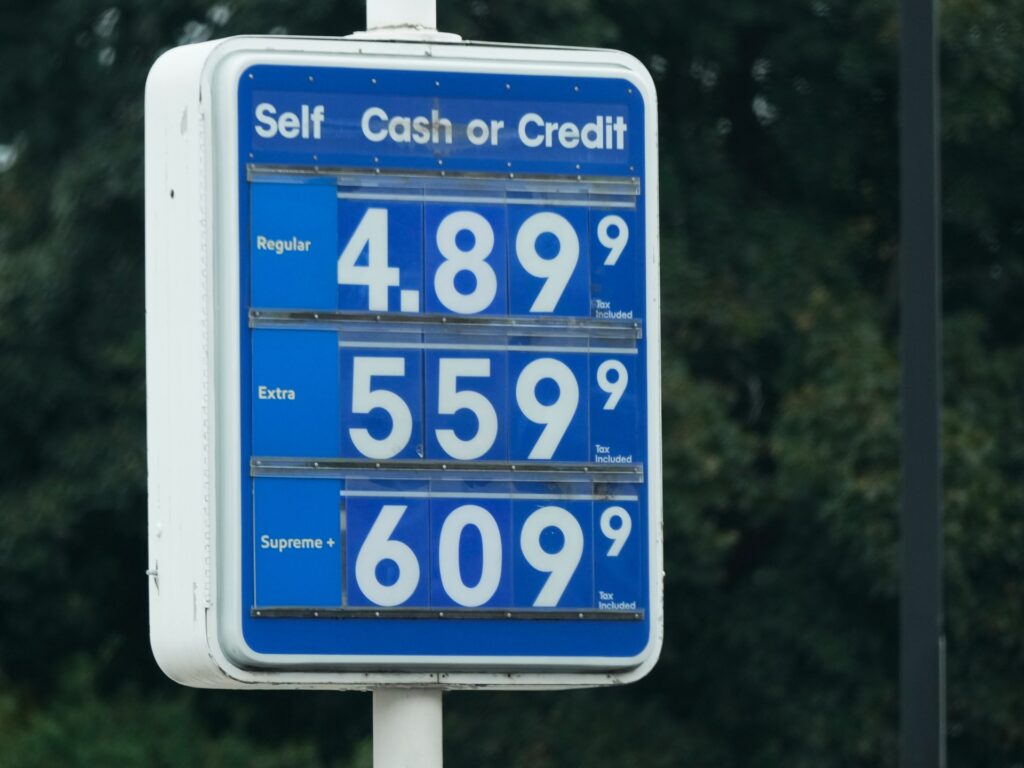
Iranian officials and state media outlets have increasingly utilized English-language platforms to communicate directly with a US audience. Their statements draw attention to the financial burden that military conflicts, especially those involving the US, impose on ordinary citizens. By focusing on rising gasoline prices, they touch on a daily concern that directly affects millions of Americans, linking the economic strain to ongoing tensions and potential military engagements.
The narrative presented by Iran underscores the connection between US foreign policy, military spending, and domestic economic difficulties. Iranian spokespersons suggest that the American government’s foreign interventions have led to inflated energy costs and economic instability, contributing to public dissatisfaction. This framing positions Iran as a voice of reason, contrasting US governmental actions with the hardships faced by the public.
Such messaging is notably timed to coincide with a critical political event in the US. The midterm elections often serve as a referendum on the incumbent administration’s policies, including foreign affairs. By highlighting the costliness of war, Iran’s communication seeks to sway American voters to question the justification and consequences of US military involvement abroad.
Analysts note that this tactic also aligns with Iran’s broader geopolitical strategy. By capitalizing on existing economic pressures within the United States, Iran aims to weaken public support for aggressive policies and sanctions directed at Tehran. This soft power approach complements Iran’s other diplomatic and military maneuvers in a complex international landscape.
The emphasis on gas prices is particularly strategic given their visibility in everyday American life. Gasoline price hikes are often directly felt by consumers, impacting commuting costs, goods prices, and overall economic sentiment. Iranian messaging links these hikes to US military expenditures and foreign policies in the Middle East, suggesting a causal relationship that points back to Washington’s decisions.
US economists and political commentators have acknowledged that while many factors influence gas prices — including global market dynamics and domestic policies — foreign conflicts can exacerbate these costs. The Iranian narrative, however, simplifies the issue to create a compelling political argument that resonates with voters concerned about their finances.
Furthermore, Iran has framed its messaging within broader critiques of the US economy. Officials have highlighted inflation, unemployment, and other domestic economic challenges as consequences of misplaced priorities and military spending. This framing appeals to a wider audience by connecting international issues with everyday struggles at home.
In addition to the economic focus, Iran’s messaging campaign rests on the broader theme of war’s human and political costs. By underscoring the negative impacts of conflict, Iranian officials seek to build sympathy among Americans wary of prolonged military engagements and their toll on soldiers, families, and societal resources.
Overall, Iran’s English-language messaging ahead of the US midterm elections reflects a sophisticated use of information and psychological operations to influence American political discourse. By focusing on economic pain points and linking them to US foreign policy, Iran aims to create divisions and skepticism within the US electorate, potentially shaping outcomes in favor of a less confrontational approach to Tehran.
This strategy, while indirect, highlights the evolving nature of international influence campaigns where economic and political grievances are leveraged in the media to impact democratic processes abroad. Observers emphasize the importance of recognizing such messaging as part of wider geopolitical competition rather than isolated propaganda.
As the US midterms approach, monitoring how this messaging interacts with domestic political narratives will be crucial. It reflects a broader trend of foreign powers engaging in information campaigns aimed at exploiting vulnerabilities within target countries, particularly during moments of political significance.
In conclusion, Iran’s use of English-language messaging to highlight the costs of war and economic issues like gas prices underscores the interconnectedness of global politics and domestic affairs. By drawing attention to these topics, Tehran seeks to influence US public opinion and electoral outcomes, demonstrating the potency of strategic communication in modern international relations.