As the conflict in Ukraine continues to pose serious geopolitical challenges, the European Union (EU) has intensified its support for the country amidst ongoing international tensions, including a notable standoff involving former U.S. President Donald Trump. Ukrainian President Volodymyr Zelenskyy has made a compelling plea to EU leaders, requesting an additional $79 billion in aid to bolster Ukraine’s defense against Russian aggression for the upcoming year.
The request underscores the severity of the conflict that has dramatically escalated since Russia’s invasion in 2022. Ukraine has been grappling with significant military and humanitarian crises, and the need for sustained economic and military assistance has become critical to maintaining its sovereignty and stability.
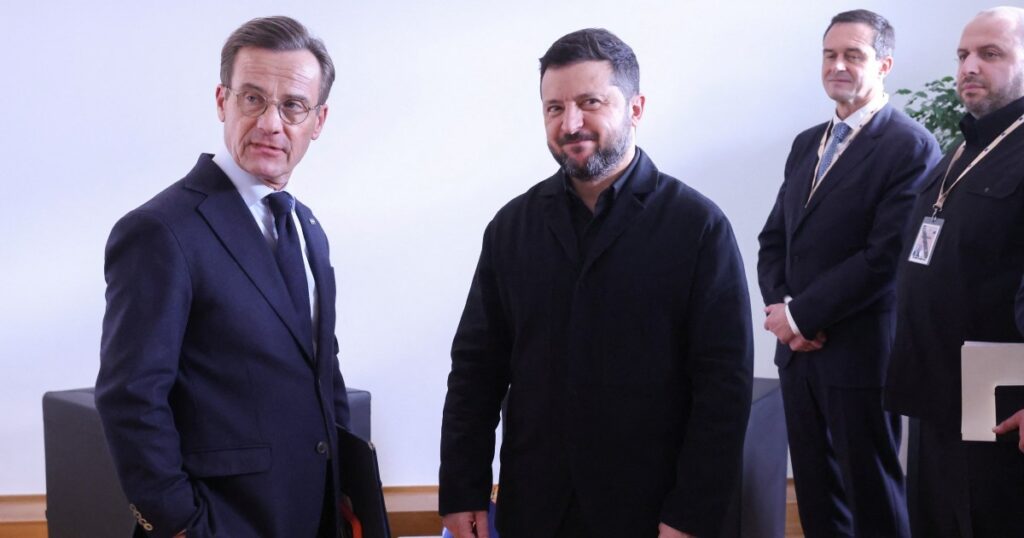
In a recent summit held in Brussels, EU officials expressed strong solidarity with Ukraine, affirming their commitment to provide robust financial, military, and humanitarian support. The proposed $79 billion fund aims to cover essential war-related expenses including the procurement of weapons, medical aid, reconstruction efforts, and provisions for displaced citizens.
The EU’s response comes amid complex geopolitical dynamics. The standoff involving Donald Trump refers to the broader strain in U.S.-EU relations during his administration, which affected coordinated support strategies for Ukraine. However, recent diplomatic efforts have seen renewed cooperation between the United States and European nations, emphasizing a unified stance against Russian aggression.
EU leaders highlighted the importance of a collective response to ensure peace and stability in the region. They recognize that Ukraine’s fate is closely tied to European security and global democracy. The aid package is expected to receive backing from most EU member states, though detailed negotiations are ongoing to determine the exact allocation and oversight mechanisms.
The humanitarian aspect remains a critical component of the EU’s support. Millions of Ukrainians have been displaced internally or have sought refuge across Europe. Aid extends beyond military supplies to include food, shelter, and medical care for those affected by the war.
Both Ukrainian officials and international analysts agree that the $79 billion request represents not just an investment in Ukraine’s defense capabilities but also in the broader effort to deter further Russian expansionism. President Zelenskyy emphasized that without sustained international backing, the progress made by Ukraine could be jeopardized.
The request has sparked varied reactions among EU countries, with some members advocating for increased defense spending, while others stress the necessity of diplomatic solutions alongside military aid. Yet, the consensus remains that Ukraine’s security is paramount and directly impacts European peace.
Looking ahead, the EU plans to convene further discussions to finalize the aid package and explore additional measures to support Ukraine through economic sanctions on Russia and diplomatic pressures. The ongoing conflict has also catalyzed reforms within the EU concerning military readiness and energy independence, highlighting a broader strategic pivot in response to regional threats.
In summary, President Zelenskyy’s appeal to the EU encapsulates the urgent need for comprehensive aid to sustain Ukraine’s war efforts amid mounting challenges. The European Union’s rallying response reflects a strong commitment to stand alongside Ukraine, reinforcing the principles of sovereignty, democratic values, and regional security in the face of ongoing aggression.