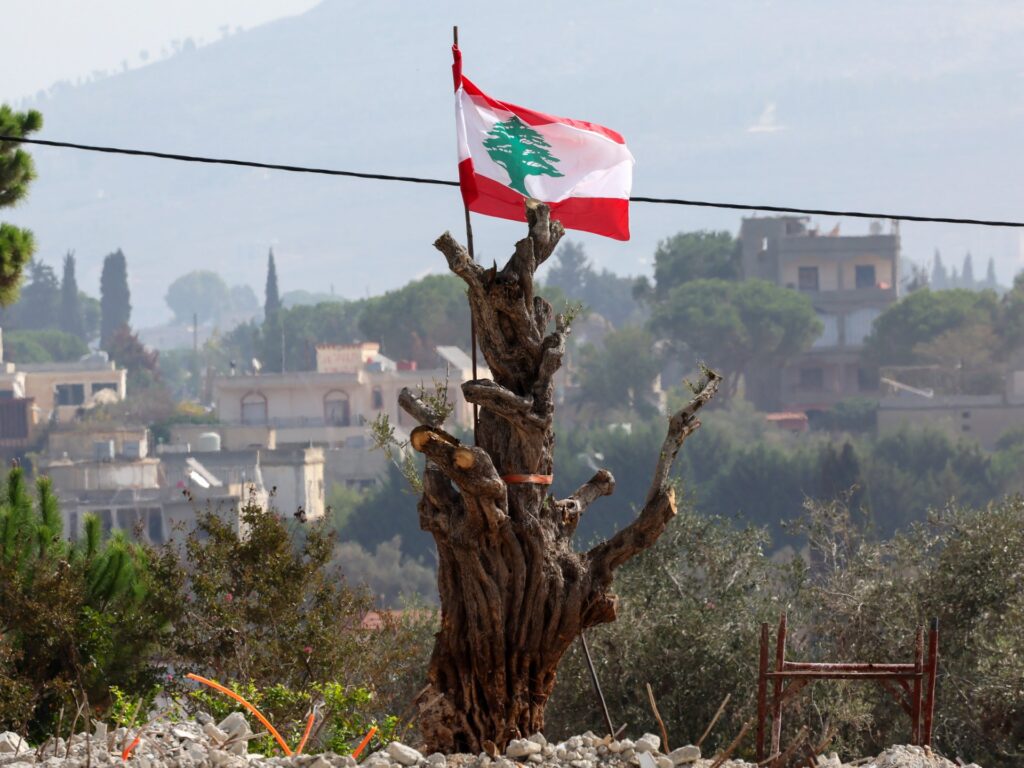
Lebanese society and political circles are deeply divided following the discovery and confiscation of a significant cache of explosives linked to Hezbollah, the powerful Shiite political and militant group. Hezbollah has openly stated that these explosives were intended for use against Israel, citing the ongoing conflict and hostility between the two entities. However, the revelation has sparked widespread concern across Lebanon, with many political figures and analysts expressing fears that the explosives could instead be utilized for internal political assassinations or to intensify domestic instability.
The incident has brought to light the complex and often fragile balance of power within Lebanon, where Hezbollah not only functions as a militia but also as a key political stakeholder. The group’s statement underscored its commitment to resistance against Israel, reiterating its longstanding justification for maintaining armed capabilities. Despite this, opposition voices within Lebanon have condemned the presence of such weapons, viewing it as a dangerous escalation that threatens the country’s precarious peace and sovereignty.
Various political leaders outside of Hezbollah argue that the group’s possession of explosives and weapons outside state oversight undermines national security and jeopardizes the unity of Lebanon’s diverse communities. They worry that the explosives could be repurposed to eliminate political rivals or factions within Lebanon, between different sectarian groups, or to suppress dissent.
Security analysts also highlight the broader implications for Lebanon’s internal dynamics. The country has been struggling with political fragmentation, economic crises, and social unrest, making the possibility of targeted assassinations particularly alarming. The fear among many is that Hezbollah’s unilateral military actions could provoke retaliatory measures from other factions, heightening the risk of civil strife.
Historically, Lebanon has experienced numerous political assassinations and conflicts fueled by sectarian and geopolitical tensions. The current controversy over the explosives is seen as a reflection of ongoing struggles for influence within the country and the persistent impact of regional rivalries, especially between Hezbollah’s Iran-backed militia and Israel.
The Lebanese government faces mounting pressure to address the issue decisively. While Hezbollah insists that the explosives are part of its resistance arsenal against Israeli aggression, there is growing demand from other sectors for greater transparency, disarmament, and adherence to the authority of the Lebanese Armed Forces.
Amidst these tensions, ordinary Lebanese citizens find themselves caught in a turbulent political environment, unsure of the implications for their safety and future. The situation highlights the entrenched divisions in Lebanese society, where loyalty to different political and sectarian leaders often dictates perspectives on security and defense measures.
The international community is also closely monitoring the situation, with concern over any escalation that might destabilize Lebanon further or trigger wider regional conflict. Diplomatic efforts continue to urge all parties to exercise restraint and to seek peaceful solutions through dialogue.
As investigations into the source, intended use, and extent of the confiscated explosives proceed, Lebanon’s deep-seated divisions remain starkly evident. The episode underscores the challenges of maintaining sovereignty and peace in a country where powerful militias operate alongside fragile state institutions, and where the shadow of external conflicts heavily influences internal politics.