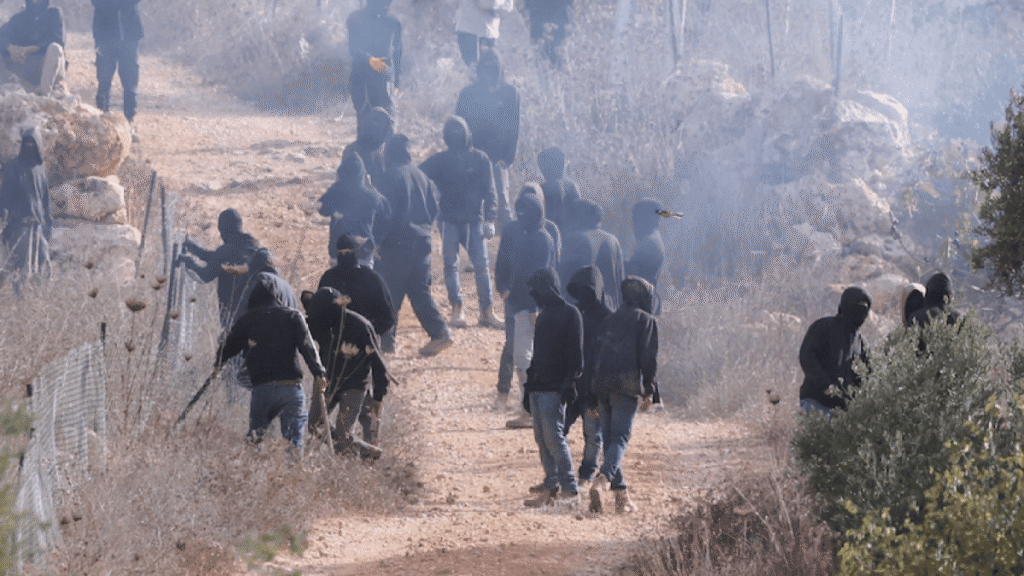
In the midst of Palestine’s annual olive harvest, a dark shadow has been cast over the season as settler violence escalates dramatically. Palestinian olive groves, which are not only a vital source of livelihood but also a deep cultural symbol, have faced widespread attacks. Numerous olive trees have been deliberately torched, and vehicles associated with Palestinian farmers have been set ablaze by settlers, intensifying a pattern of aggression that disrupts both the economy and social fabric of the communities.
The olive harvest season is a critical period in Palestine, representing months of care and labor culminating in a vital economic and cultural event. Olive trees serve as a living heritage passed down through generations, their fruit and oil integral to Palestinian identity and sustenance. This recent surge in arson attacks has not only caused substantial material loss but also inflicted psychological trauma among farmers and local residents who depend on these groves for their income and traditions.
Reports detail how these violent incidents coincide with an increase in settler activity in contested areas, where tensions remain high. Settlers have reportedly targeted groves in several regions, using fire as a weapon to damage crops and incite fear. Alongside the destruction of olive trees, Palestinian-owned vehicles used during the harvest are being destroyed, further crippling the agricultural efforts.
Human rights organizations and local authorities have condemned these acts of violence, calling them deliberate attempts to undermine Palestinian livelihoods and destabilize the region. The destruction during the harvest season not only jeopardizes the current year’s yield but also threatens the survival of trees that take years to mature, potentially affecting future harvests for generations.
Farmers express a mixture of despair and resilience as they face these challenges. Many continue to return to their groves despite the risks, hoping to salvage what remains of their harvest and preserve their ancestral lands. Local communities have called for increased protection measures and international attention to these ongoing attacks.
This cycle of violence during the olive harvest highlights the broader conflict’s deep-seated nature, where even the most peaceful times are marred by hostility. The assault on Palestinian olive trees symbolizes a broader struggle over land, identity, and survival in the region.
Efforts to repair and replant after such devastation require significant resources and support, underscoring the urgent need for coordinated humanitarian aid and conflict resolution initiatives. As the world observes, the resilience of the Palestinian people continues to shine despite the adversity they face every harvest season.
In conclusion, the torching of olive trees and vehicles during Palestine’s olive harvest is not just an isolated incident; it is a stark manifestation of enduring tensions and the ongoing struggle for rights and recognition. The international community’s response to this violence is crucial in fostering peace, justice, and the protection of cultural heritage in the region.