In a significant statement, President Donald Trump has ruled out the use of nuclear weapons against Iran, marking the first time he has directly addressed the potential use of nuclear arms in this context. While he dismissed the possibility of deploying a nuclear bomb, he notably did not exclude the use of the “mother of all bombs”—a reference to the largest non-nuclear bomb in the U.S. arsenal.
This declaration carries substantial weight in the realm of international diplomacy and military strategy. President Trump’s comments came amid escalating tensions between the U.S. and Iran, with concerns over Iran’s nuclear program and its regional activities prompting serious dialogue about military options.
By specifically ruling out nuclear weapons, Trump seemingly aims to alleviate fears of a catastrophic nuclear conflict while still maintaining a tough stance. The distinction between nuclear and conventional large-yield bombs like the “mother of all bombs” underscores a nuanced approach to deterrence and force projection.
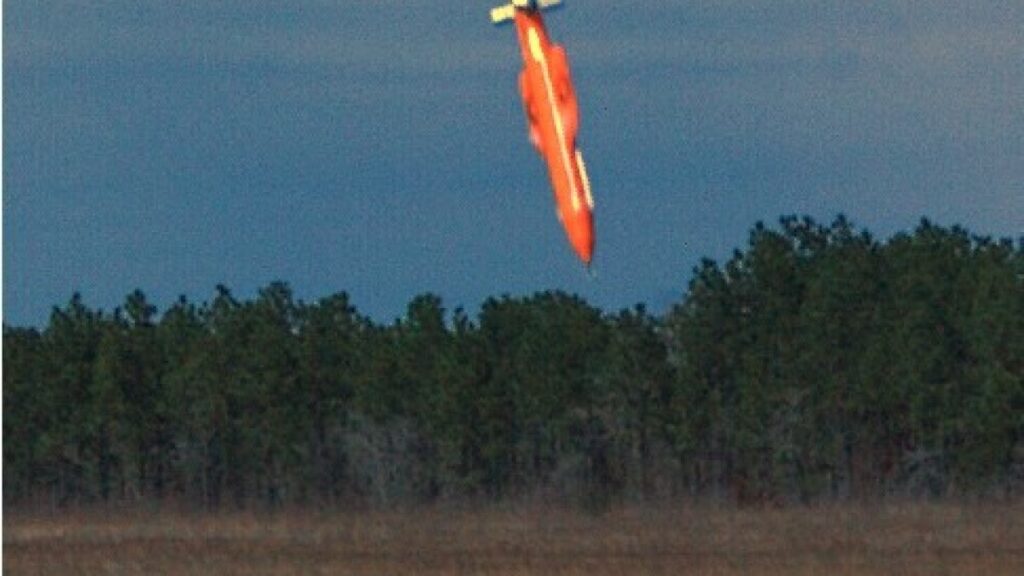
The “mother of all bombs,” officially known as the GBU-43/B Massive Ordnance Air Blast (MOAB), is the most powerful non-nuclear bomb ever used in combat and has a devastating footprint. Its conventional nature means it can be used with less political and environmental fallout compared to nuclear weapons, though the destructive impact remaining immense.
Trump’s refusal to rule out such a powerful conventional weapon suggests a strategic flexibility aimed at keeping adversaries uncertain about the extent of U.S. military options. This ambiguity can be a critical component of deterrence, signaling willingness to escalate military force if necessary, but within limits acceptable to global norms and U.S. policy.
The announcement rods attention to the delicate balance the United States seeks to maintain. On one hand, the threat of nuclear weapons has a profound psychological and existential impact, which often catalyzes international diplomatic efforts to deescalate. On the other hand, maintaining credible military capabilities, including nuclear and large-scale conventional weapons, is central to deterrence.
The global community is closely watching developments, as rhetoric surrounding military action involving Iran has implications for regional stability in the Middle East and for the broader international order. Trump’s comments may be an attempt to signal resolve and deterrence without crossing red lines that could unleash uncontrollable consequences.
Historically, the use or threatened use of nuclear weapons has been a last resort due to their devastating humanitarian and ecological impacts. By drawing a line against nuclear strikes, Trump aligns with decades of international norms, while leveraging advanced conventional weaponry as a means to project power.
In conclusion, Trump’s statement ruling out nuclear weapon use against Iran is significant for international security discourse. It reflects an effort to manage the escalating tensions with Iran by clarifying the limits of U.S. military options, balancing deterrence with restraint. The subtle yet crucial distinction between nuclear weapons and massive conventional bombs will likely shape strategic calculations and diplomatic responses moving forward.