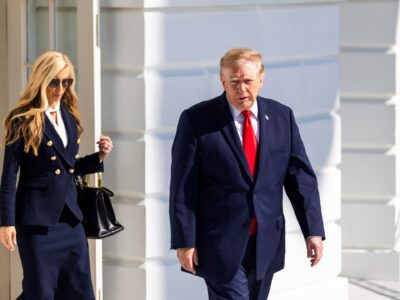
Former U.S. President Donald Trump recently emphasized ongoing discussions involving the United States, Russia, and China on the subject of denuclearisation. According to Trump, these talks are crucial given the current nuclear capabilities of the involved countries and the potential future growth of arsenals.
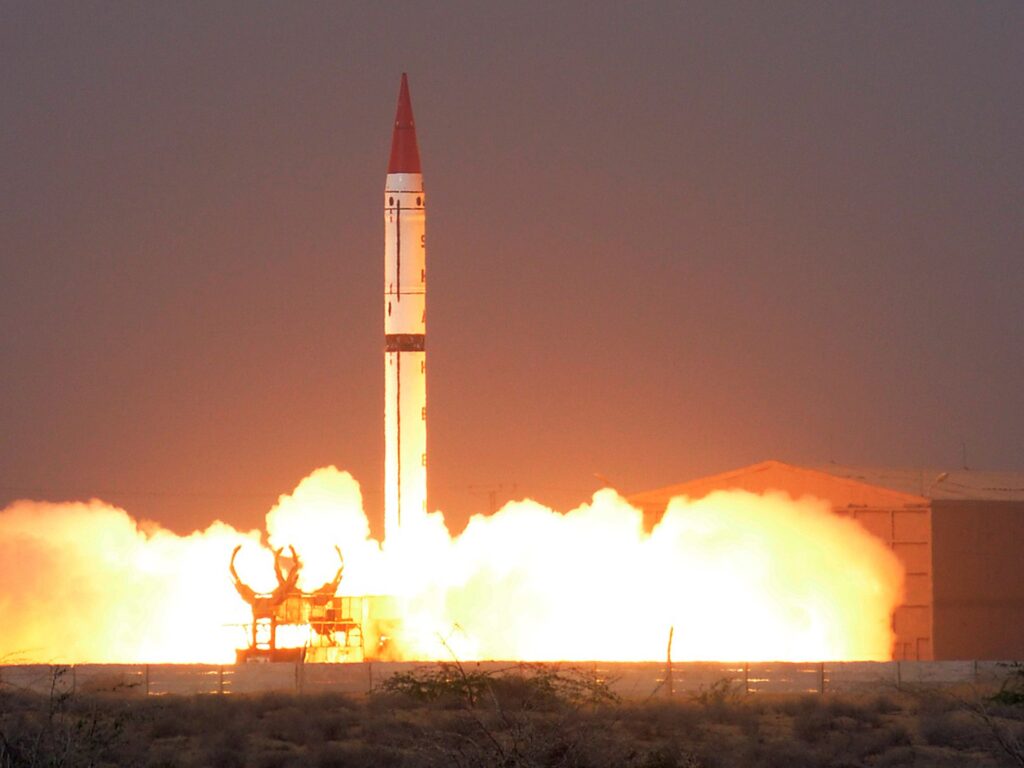
Currently, both the U.S. and Russia possess over 4,000 nuclear warheads each, establishing them as the two largest nuclear powers globally. Trump pointed out that China is set to rapidly increase its nuclear arsenal and could catch up with the U.S. and Russia within the next five years. This projection underscores the growing strategic competition and the shifting nuclear landscape among these major powers.
The talks around denuclearisation aim to tackle the complexities of nuclear disarmament in a manner that balances national security with global safety. The importance of reducing nuclear weapons cannot be overstated given the catastrophic potential of their use. These discussions are an effort to negotiate limits and possibly reductions that all parties can agree on.
Trump’s remarks highlight a crucial moment where multilateral talks could pave the way for significant agreements or frameworks to manage nuclear arms. The involvement of China adds a new dynamic to traditional U.S.-Russia arms control negotiations, which historically focused mainly on bilateral agreements.
The potential for China to expand its nuclear arsenal rapidly is a concern shared by many security analysts. It raises the stakes for the international community to find cooperative approaches to arms control that include all relevant powers.
If successful, these talks could lead to a new era of nuclear restraint and stability, which is essential in the contemporary geopolitical climate. However, the path to effective denuclearisation remains complex, requiring trust, verification mechanisms, and mutual cooperation among the U.S., Russia, and China.
Overall, the ongoing discussions underscore the urgency and importance of addressing nuclear proliferation risks in a multipolar world. They reflect a shift from traditional bilateral arms control to more inclusive negotiations that recognize emerging nuclear powers and changing global dynamics.