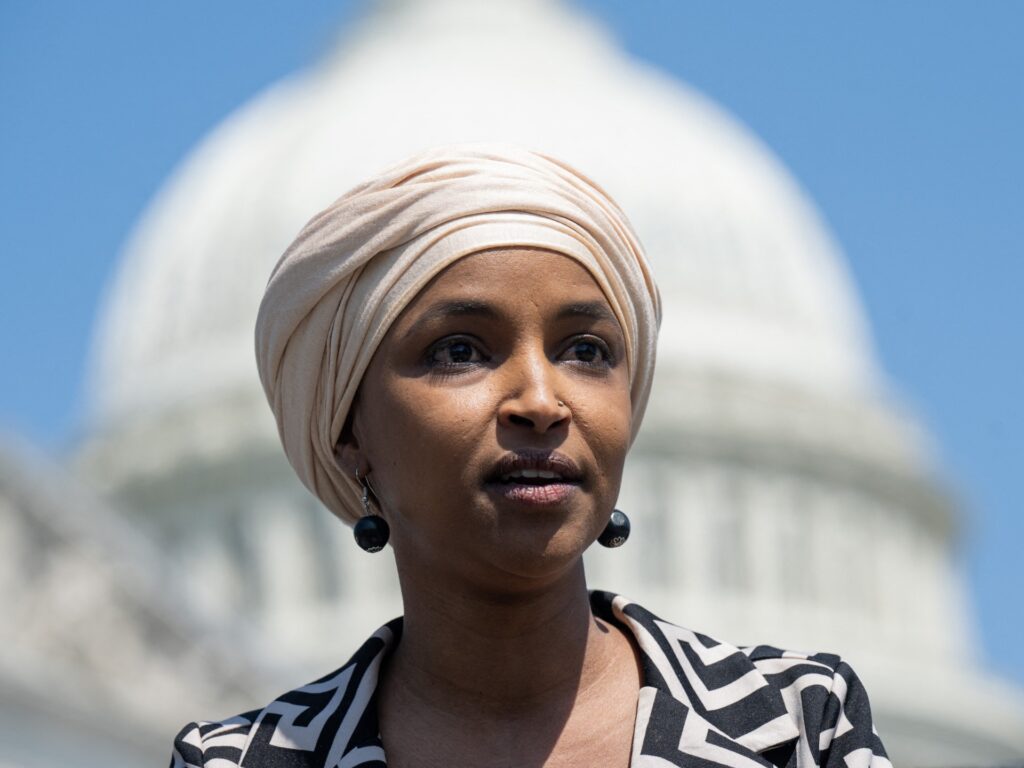
The Trump administration has reportedly initiated efforts to revoke the US citizenship of Representative Ilhan Omar, according to a report by The Wall Street Journal. This move involves federal investigators subpoenaing relatives of Omar and scrutinizing immigration records to assess the legitimacy of her citizenship. The investigation appears to delve into the details surrounding Omar’s naturalization and eligibility to hold public office.
Ilhan Omar, a prominent Democratic congresswoman representing Minnesota’s 5th congressional district, has faced controversies regarding her background and political stances. However, the alleged attempt to strip her citizenship marks an unprecedented action that raises significant legal and political questions. Citizenship revocation is a rare and serious measure typically reserved for cases involving fraud or criminal activities related to residency or immigration.
According to the report, the investigations are comprehensive, involving subpoenas issued to Omar’s family members and a deep examination of immigration files. These actions suggest an intensified scrutiny under the Trump administration’s broader approach to immigration and national security.
Legal experts highlight that the process to revoke citizenship is complex and requires robust evidence of wrongdoing. If citizenship is stripped, it could disqualify Omar from serving in Congress and potentially lead to deportation proceedings. This confrontation underscores the heightened political tensions surrounding immigration and national identity in the United States.
Supporters of Omar argue that the investigation is politically motivated and constitutes an attempt to undermine a duly elected official based on partisan grounds. Civil rights advocates warn that such moves may set a dangerous precedent, threatening the rights of naturalized citizens and potentially targeting other minority lawmakers.
The Trump administration’s stance reflects its ongoing campaign to tighten immigration laws and enforce stricter oversight on naturalization processes. The case has drawn national attention, fueling debates on citizenship rights, election integrity, and the balance of executive power in immigration enforcement.
As the investigation unfolds, it remains to be seen how courts will interpret the evidence and whether it will lead to formal legal actions against Representative Omar. This situation exemplifies the contentious intersection of law, politics, and personal rights in contemporary America.