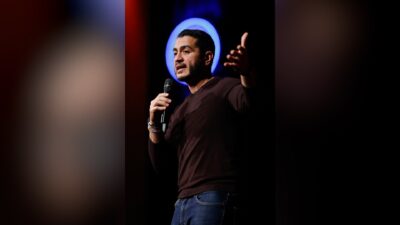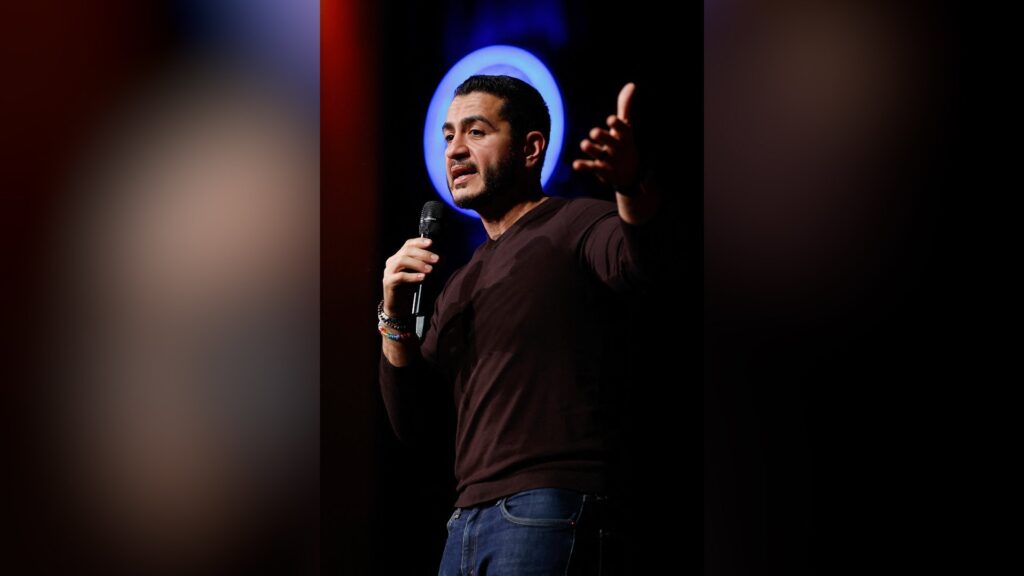
In a recent political controversy, President Donald Trump has publicly accused Michigan Senate candidate Abdul El-Sayed of being a member of the Muslim Brotherhood, a claim that has sparked significant debate and backlash. The accusation came as Trump aimed to undermine El-Sayed’s campaign, which has been gaining considerable attention in Michigan.
Abdul El-Sayed, a progressive candidate known for his focus on healthcare and social justice, has denied the allegations, calling them baseless and an attempt to smear his reputation. His campaign swiftly responded to the president’s remarks, emphasizing his American roots and commitment to democratic values.
The Muslim Brotherhood is an Islamist organization founded in Egypt in 1928 and has been associated with various political movements across the Middle East. The group is often viewed with suspicion in U.S. political discourse due to its Islamic roots and perceived radical agenda.
Trump’s strategy appears to be leveraging fears and suspicions surrounding Islamic organizations to discredit El-Sayed, who would be one of the few Muslim candidates holding a major Senate seat if elected. Political analysts suggest this move could be aimed at mobilizing certain voter bases by appealing to cultural and religious anxieties.
Critics of Trump’s accusation argue that such claims without concrete evidence contribute to the spread of Islamophobia and distract from substantive political debate. Civil rights organizations have condemned the remarks, urging focus on policies rather than unfounded personal attacks.
El-Sayed’s campaign continues to focus on key issues including healthcare reform, economic inequality, and environmental policy, distancing itself from the controversy. Supporters believe that the allegations will ultimately backfire, painting El-Sayed as a victim of political smears.
This episode highlights the broader challenges Muslim candidates face in American politics, where their faith is sometimes weaponized against them in campaigns. As the Michigan Senate race heats up, observers will be watching closely how these allegations impact voter sentiment and election outcomes.
In conclusion, President Trump’s allegation against Abdul El-Sayed marks a notable moment in the political race, illustrating the intersection of religious identity and political strategy. The controversy underscores ongoing tensions in U.S. political culture concerning religion, identity, and electoral tactics.