Since ascending to the presidency of Tunisia, Kais Saied has faced numerous economic hurdles that have tested his administration’s policies and promises. Over the past seven years, his tenure has seen a complex interplay of rising prices, high unemployment rates, and increasing public debt, which together paint a challenging picture of Tunisia’s economic landscape.
At the onset of Saied’s presidency, Tunisia was already grappling with economic difficulties stemming from political instability and global economic pressures. Saied pledged to rejuvenate the economy, implementing reforms aimed at stabilizing the country and promoting growth. However, the realities have been mixed.
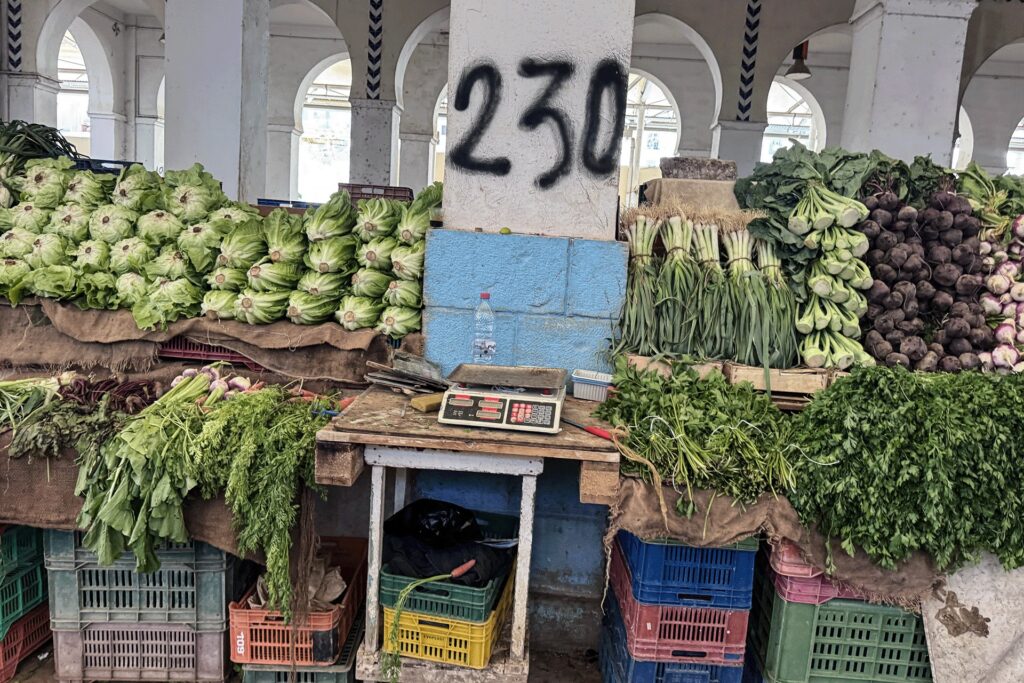
One of the most pressing issues under Saied’s leadership has been the sharp rise in living costs. Inflation has surged, heavily impacting the purchasing power of ordinary Tunisians. Essential goods and services, including food and fuel, have become more expensive, straining household budgets across the nation.
Unemployment remains stubbornly high, particularly among the youth and graduates. Despite efforts to stimulate job creation, the labor market has not responded adequately, leading to widespread dissatisfaction and social unrest. The government has struggled to attract sufficient foreign investment, largely due to political uncertainty and structural inefficiencies.
Public debt has ballooned during Saied’s tenure. Tunisia’s budget deficits have widened as the government increased borrowing to finance public spending and social programs. This growing debt burden raises concerns about long-term fiscal sustainability and limits the government’s ability to maneuver economically.
Saied’s economic strategy has also included attempts at reforming state institutions and governance, aiming to reduce corruption and improve efficiency. However, critics argue that progress has been slow and that some reforms have been overshadowed by political controversies and governance challenges.
On the positive side, there have been initiatives to diversify the economy and encourage innovation, especially in technology and renewable energy sectors. These efforts, although nascent, signal an intent to build a more resilient economic base.
In conclusion, Kais Saied’s seven years in office have been marked by significant economic challenges and mixed outcomes. The rise in living costs, persistent unemployment, and surging public debt continue to test the administration’s economic promises. While some reform efforts show promise, the overall economic situation demands sustained and effective policy interventions to achieve stability and growth in Tunisia.