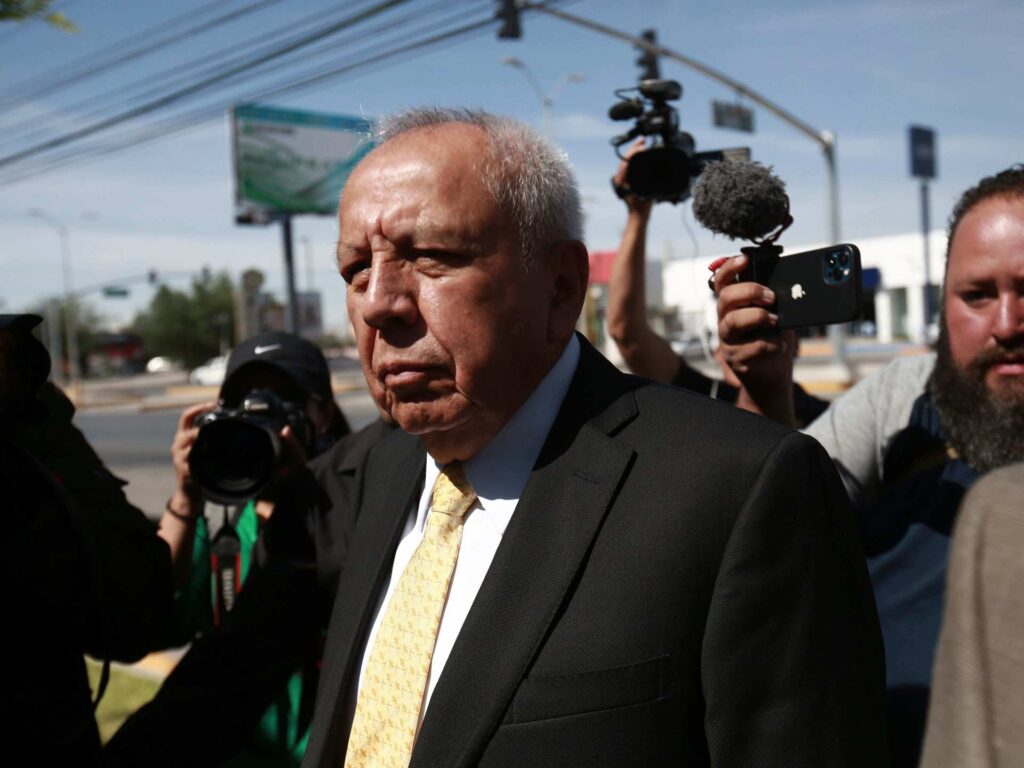
In a controversial move that has ignited significant backlash from victims’ groups and human rights advocates, a Mexican court has officially closed the case against a former migration chief implicated in the tragic 2023 detention centre fire. The incident, which claimed numerous lives and raised serious questions about the conditions and management of detention facilities in Mexico, remains a somber mark in the country’s human rights record.
The detention centre fire of 2023 was a catastrophic event that drew international condemnation due to the loss of life and allegations of negligence by authorities. The former migration chief had been under scrutiny for his alleged role in the inadequate safety measures and overall mismanagement that preceded the fatal fire.
Despite the gravity of the accusations, the court’s decision to close the case has been met with accusations of “selective justice.” Victims’ advocacy groups argue that the ruling effectively exonerates the official without delivering accountability, undermining efforts to ensure justice and reform in Mexico’s detention and migrant management systems.
Critics point out that the closure of the case not only denies justice to the families of the victims but also sets a troubling precedent of impunity for officials responsible for public safety failures. This development comes at a time when Mexico is under intense pressure to improve the treatment of migrants and detainees, as well as to address systemic issues in its immigration enforcement policies.
Legal experts and human rights organizations have expressed deep concern over the court’s rationale, suggesting that the case dismissal may reflect broader systemic challenges within Mexico’s judicial system, including political influence and lack of transparency.
The government has yet to issue a comprehensive statement addressing the ruling, while activists continue to call for renewed investigations and reforms to prevent future tragedies. This incident highlights the ongoing struggle faced by migrant populations and the critical need for accountability and human rights protections within detention facilities in Mexico.
As the debate over the court’s decision unfolds, the voices of victims and their families remain central, demanding justice and systemic change in a country grappling with migration challenges and human rights obligations. The closure of the case serves as a poignant reminder of the complexities and controversies that often accompany efforts to hold officials accountable in instances of mass tragedy and institutional failure.